Since 1906 at the foot of the Helderberg — History of a Stellenbosch icon
Helderberg Winery was founded in 1906 on the slopes of the mountain of the same name in Stellenbosch — the same year the first grapes were harvested. The name of the mountain comes from Afrikaans and means "bright" or "clear mountain": when the sun sets, the west side of the 1,137-meter-high peak glows, visible from far away over the wine region. For centuries, settlers grew vines around this mountain, attracted by the fertile soils and the immediate proximity to False Bay. In the following decades, the winery grew into a fixture in South African red wine production and contributed significantly to establishing the Helderberg as the home of the Cape's great Cabernet Sauvignons. In 2009, Boekenhoutskloof — one of South Africa's most renowned wineries, based in the Franschhoek Valley — acquired the historic facility on Winery Road and continued the brand.
Boekenhoutskloof as owner: Preserving heritage, modernizing the cellar
Boekenhoutskloof was founded in 1776 and has been owned by a group of partners led by Marc Kent since 1996, who has developed the company into one of the most sought-after producers in the country. Helderberg Winery takes on a clear role in the portfolio as a production center: among other things, The Chocolate Block ages here in barriques, and the cellar was specifically modernized after the acquisition. The vineyards around the Helderberg benefit from a combination of weathered granite, Table Mountain sandstone, and so-called Koffieklip — a particularly hard rock — as well as the maritime influences of False Bay, which ensure cooler nights and a long ripening period for the grapes. Head Winemaker Francois Mocke has been responsible for both the Franschhoek and Helderberg cellars since 2015.
Structured red wines with character — from Cabernet to Pinotage
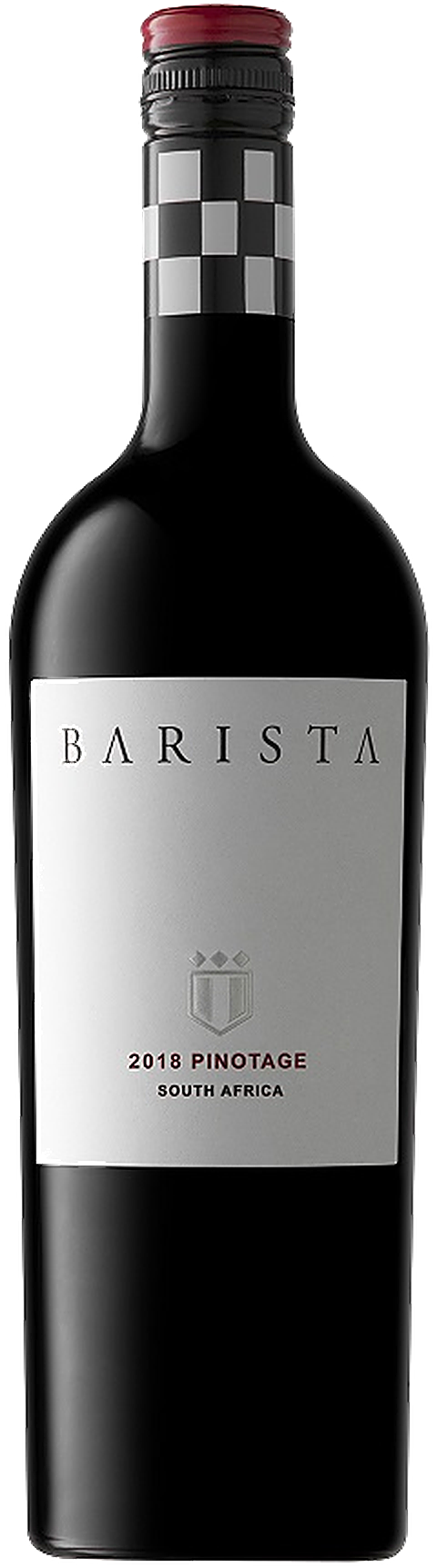
The Helderberg is considered in wine circles to be the Pauillac of Stellenbosch: the soils and the maritime climate produce Cabernet Sauvignons with a firm tannin structure, dark fruit, and a graphite-like, mineral profile. The Helderberg Reserve Red — a blend of Cabernet Sauvignon, Syrah, and Cinsault — ages for 14 to 16 months in French barriques (30% new oak) and shows ripe blackcurrant, spice, and an invigorating freshness on the finish. Alongside it stands the Barista Pinotage, which shows the unmistakably South African side of the winery. Both wines combine accessible drinking pleasure with the substance inherent to the terroir at the foot of the Helderberg — and reflect the signature of a house known in South Africa for stylistic consistency and cellar expertise.