From Montefiascone to the World: The Cotarellas and Their Falesco
The history of Falesco begins in the 1960s, when Antonio and Domenico Cotarella founded the family's first winery in Monterubiaglio, a small town in the province of Terni. They passed their knowledge on to the next generation: in 1979, brothers Renzo and Riccardo Cotarella opened the Falesco winery in Montefiascone, a small town in the province of Viterbo, about 95 kilometers northwest of Rome, directly on the shores of Lake Bolsena. Their goal was clear from the start: to reclaim the region's historic vineyards and make the potential of this terroir, shaped by volcanic soils, visible. Riccardo made a name for himself as an oenologist and sought-after wine consultant for dozens of wineries in Central and Southern Italy; Renzo brought decades of experience as technical director at Antinori. In 2017, their daughters Dominga, Marta, and Enrica officially took over the leadership — the third generation, which today continues to run the winery under the name Famiglia Cotarella.
Terroir as a Starting Point, Science as a Tool
The vineyards of Falesco are located on the border between Lazio and Umbria, in a hilly landscape of volcanic origin between Lake Bolsena and the town of Orvieto. This soil — mineral-rich, well-drained, with a distinct diurnal temperature range — is the foundation for the house's style. Both indigenous grape varieties such as Trebbiano, Malvasia, and the almost forgotten Roscetto are grown, as well as international varieties such as Merlot, Syrah, Chardonnay, and Viognier. In the cellar, Falesco works according to the principle of depicting the terroir and the vintage as authentically as possible: grapes are cultivated with respect for the ecosystem and processed with modern oenological means, without over-shaping what the soil and the season have given to the fruit. The third generation has focused the house's guidelines on three pillars: territory, science, and dynamism.
This approach is particularly evident in the work with Roscetto: decades of intensive research and clone selection led to the first bottling of Ferentano in 1993 — a white wine that brought this almost extinct variety back into the consciousness of an international public. In parallel, the same scientific methods were used to work on the quality of a special Merlot clone that expresses the vineyards in northern Lazio particularly convincingly.
Montiano, Tellus, and the Breadth of a Consistent Assortment
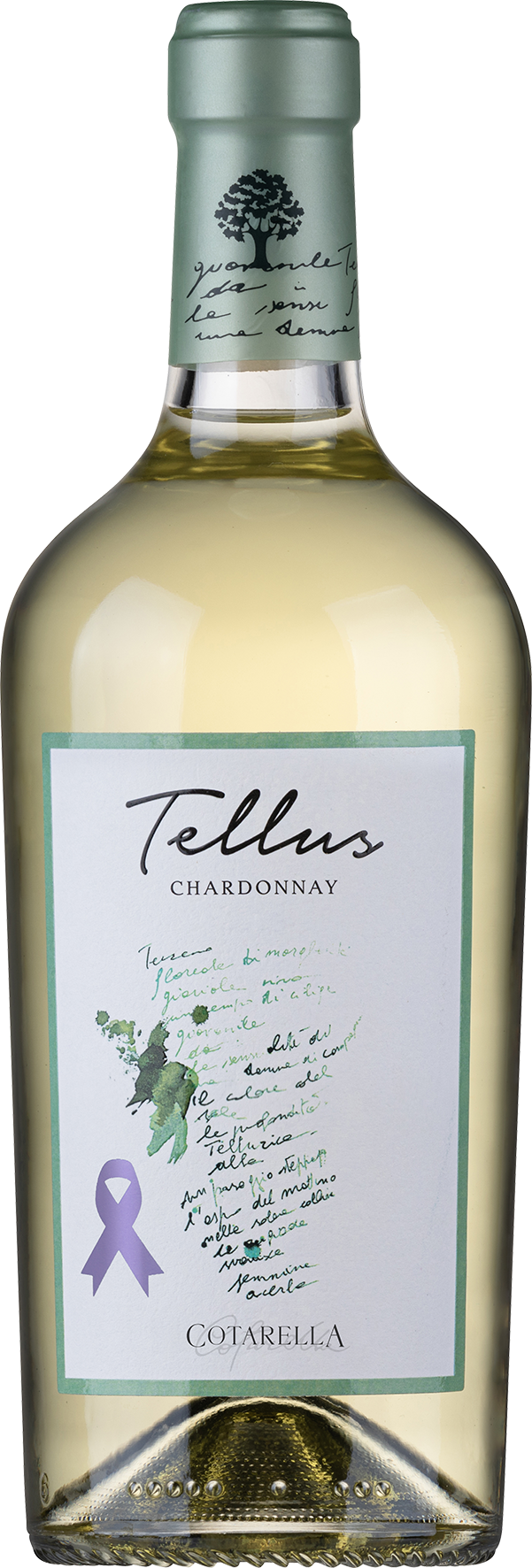
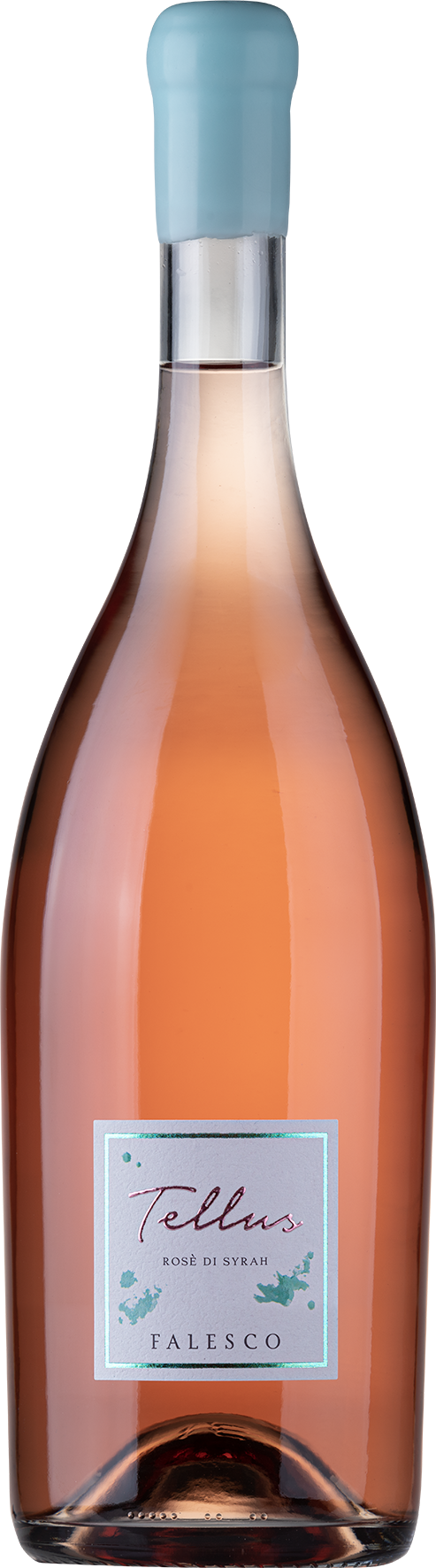
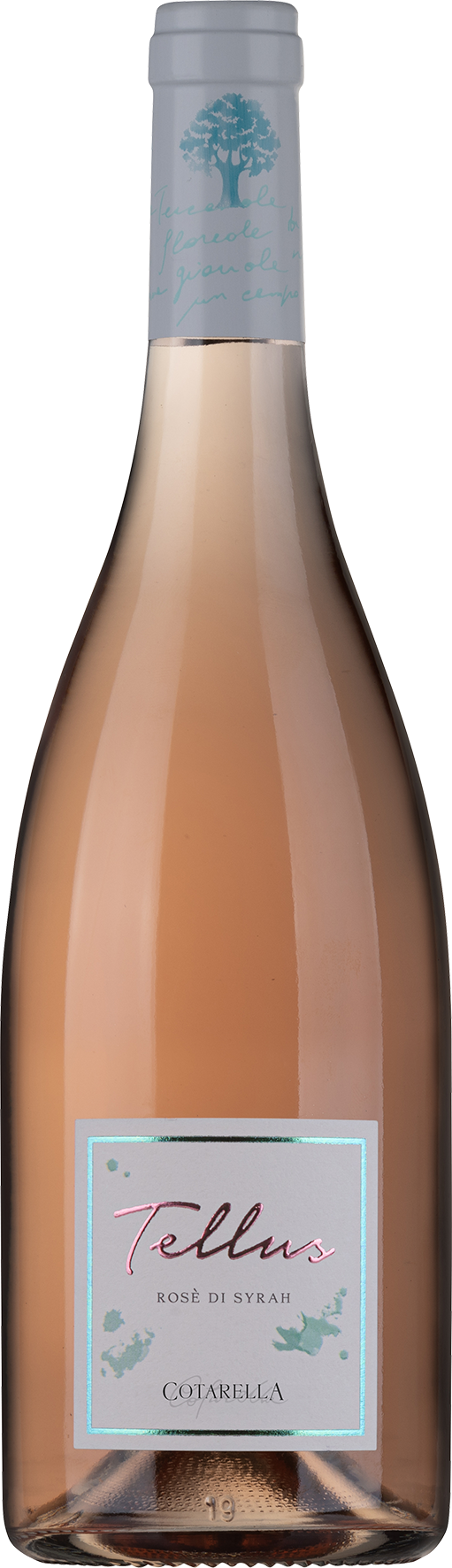
The flagship of Falesco is the Montiano, a single-varietal Merlot from hillside sites in northern Lazio, which was first bottled in 1993 and has since been considered one of Italy's most significant red wines — aged in French barriques with subsequent bottle aging, dense and structured with aromas of dark cherries, spicy herbs, and warm earth. Alongside it stands the Tellus line, which shows the everyday face of Falesco: the Tellus Syrah Rosé and the Chardonnay from Lazio IGP stand for accessible, fruit-driven wines with a clear origin — fresh, direct, and drinkable without detours. The assortment is rounded off by the Est! Est!! Est!!! di Montefiascone, one of Italy's oldest wine designations, which Falesco reinterprets with modern cellar craftsmanship. Those who want to get to know the wines of Falesco will find a range here that extends from the everyday rosé to the age-worthy flagship Merlot — connected by a common denominator: volcanic soils, a family signature, and a consistent commitment to this unusual stretch of land between Lazio and Umbria.