From Bordeaux outsider to renewed Cru Classé
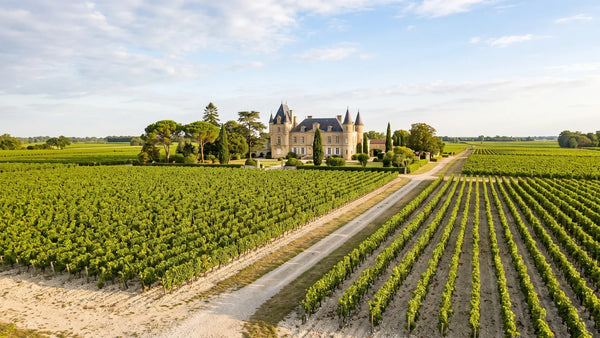
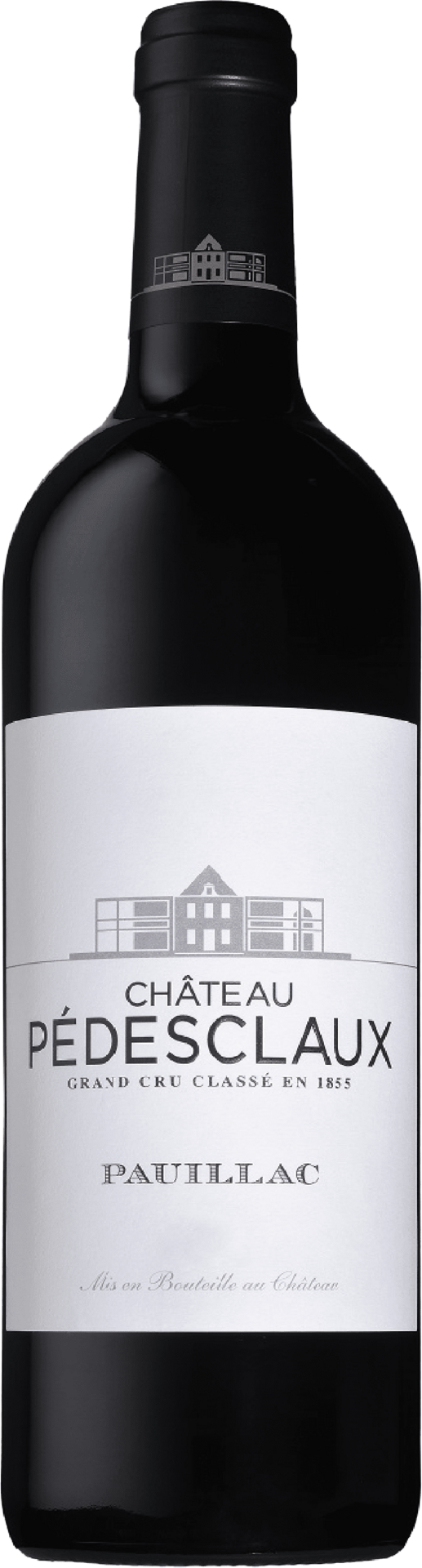
The history of Château Pédesclaux begins in 1810, when Urbain-Pierre Pédesclaux, a Bordeaux wine broker, acquired his first plots on the plateau of Pauillac. Barely 45 years after its founding, the estate was included in the famous 1855 classification — as a Cinquième Grand Cru Classé, shoulder to shoulder with neighbors like Mouton Rothschild and Lafite Rothschild. For a long time, Pédesclaux remained in the shadow of these titans, until 2009 when Jacky and Françoise Lorenzetti took over the winery and initiated a profound renewal. Jacky Lorenzetti, who became familiar with oenology at the Lausanne Hotel School, and Françoise, whose grandparents were winemakers in the Gironde themselves, brought both entrepreneurial ambition and a genuine rootedness in viticulture. Today, their daughter Manon runs the winery together with them — the enthusiasm for wine that she inherited from her mother is now in every vintage.
Gravity as a craft: vineyard, cellar, and sustainability
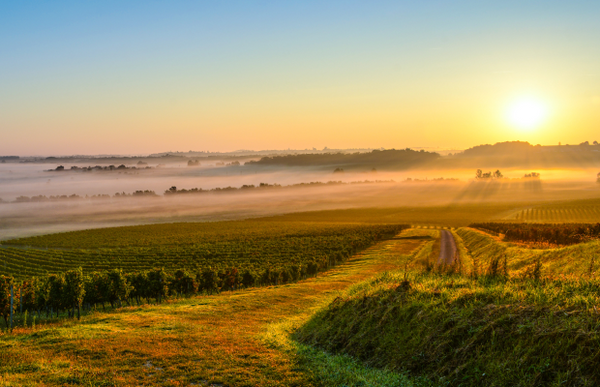
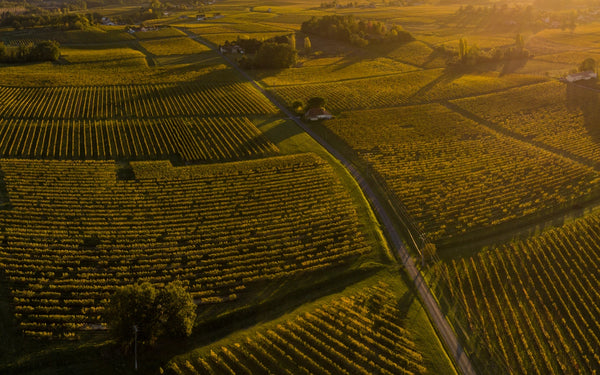
The Lorenzettis' impulse was clear from the beginning: the terroir of Pédesclaux deserves maximum care, from the soil to the bottle. The winery manages around 48 hectares of vineyards on the gravel ridges typical of the Médoc — so-called croupes de graves. What distinguishes Pédesclaux is the extraordinary soil diversity: 19 different soil types, from pure gravel to rare clay soils, which in the Pauillac context form the basis for vibrant Merlot plots. From 2012, the team began using organic and biodynamic practices, and since 2019, the entire winery has been officially in AB conversion certification. No herbicide use, grape harvest date based on sensory ripeness control, exclusively manual hand-picking followed by a grape sorting table — the standards in the vineyard are set high.
In the cellar, the Lorenzettis, together with the renowned architect Jean-Michel Wilmotte, have built a consistent answer to the question of what a modern Bordeaux Cru can look like. The Chai, completed in 2014 and inaugurated in 2015, is a glass-and-steel structure that frames the historic Château — and at the same time a fully gravity-fed cellar building over three floors. 58 truncated cone-shaped stainless steel tanks with double chambers allow for parcel-by-parcel vinification; pumps are banned, all transfers use natural gravity. Cold maceration before fermentation, gentle extraction through délestage and pigeage, malolactic fermentation partly in new wooden barrels — and then 16 months of aging in French oak barriques from nine different coopers. Éric Boissenot supports the team as a consulting oenologist, and Vincent Bache-Gabrielsen is responsible for technical management.
Pauillac with melt: the style of Pédesclaux
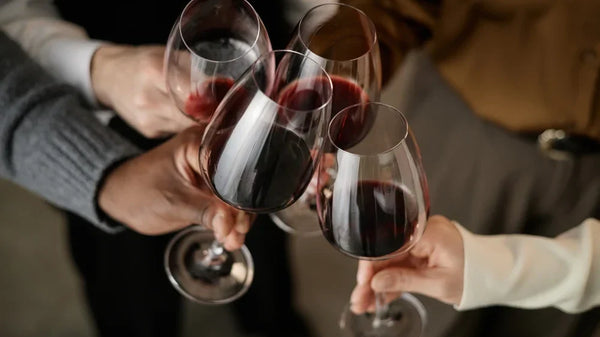
What emerges from this interplay of terroir, organic viticulture, and precise cellar technology is a red wine that challenges the common image of a strict, long-closed Pauillac. The cuvée of the Grand Vin is based on Cabernet Sauvignon, supplemented by Merlot as well as smaller proportions of Petit Verdot and Cabernet Franc — a classic Médoc framework that gains depth through the diverse soil mosaic. On the nose, the wines show blackcurrant, dark plum, and violets, underscored by a hint of graphite and cedarwood. The palate is medium to full-bodied, the tannins are fine and without sharp edges due to the gentle gravity vinification. The finish remains long and precise — accessible earlier than many appellation neighbors, without losing depth. Pédesclaux pairs well with braised lamb, entrecôte with herb butter, or mature Comté — and stands for a Pauillac that shows what lies beneath the surface of a renewed Cru.