From Don Antonio's field to the world: A family history from Abruzzo
Everything begins in the 1960s on a farm in the hills around Roccascalegna, a small town in the province of Chieti, about twenty kilometers from the Adriatic Sea. Antonio De Laurentiis – later called Don Antonio by everyone – farms his land here and cooks for his family: tomatoes, vegetables, and olives are processed into durable delicacies because he is always looking for new ways to preserve the harvest in its best form. His wife, Donna Antonia, finally takes the jars to the weekly market in Roccascalegna and Chieti and to the shops in the region – and soon the whole area knows the family's olive oil and pickled vegetables. In 1999, son Nicola takes over the business, together with his wife Paola and their two sons, Marco and Andrea. In 2004, the next step follows: the founding of the Don Antonio product line, named after the patriarch, as an independent brand for national and international trade.
Manual labor, short distances, no compromises on raw materials
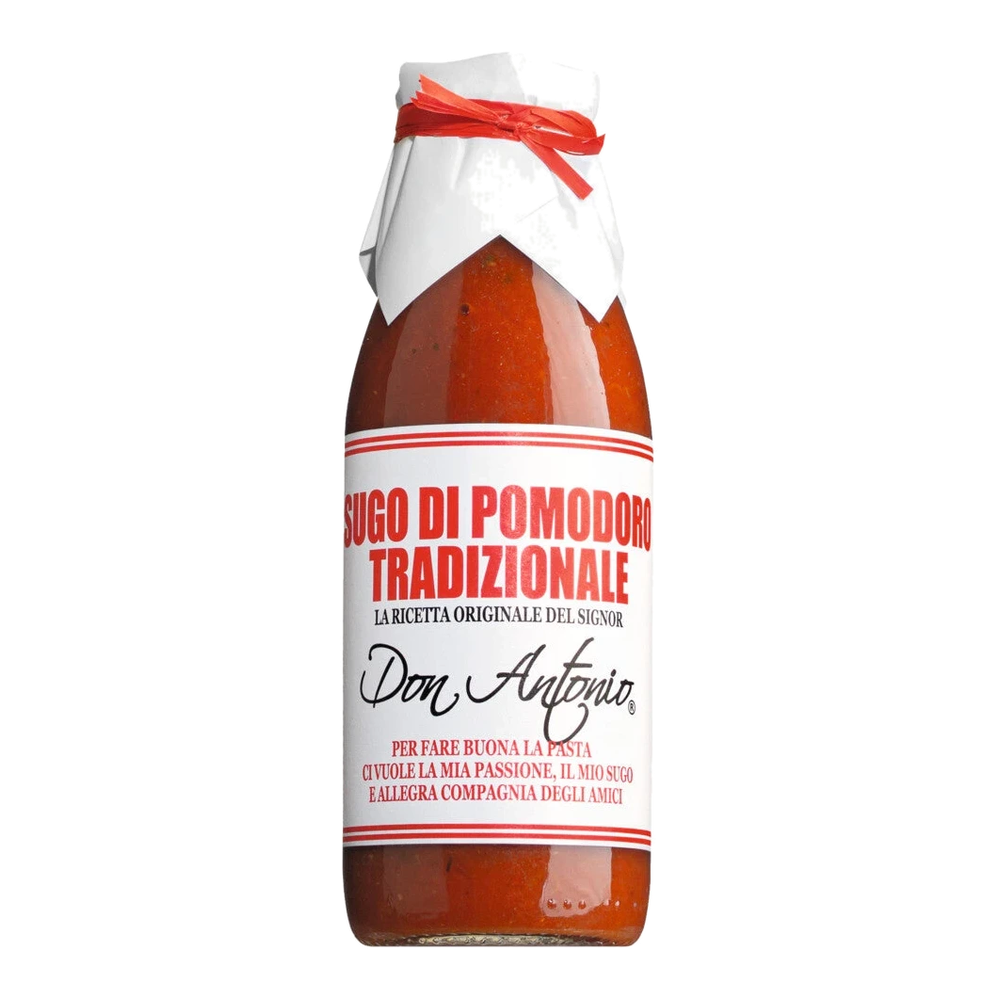
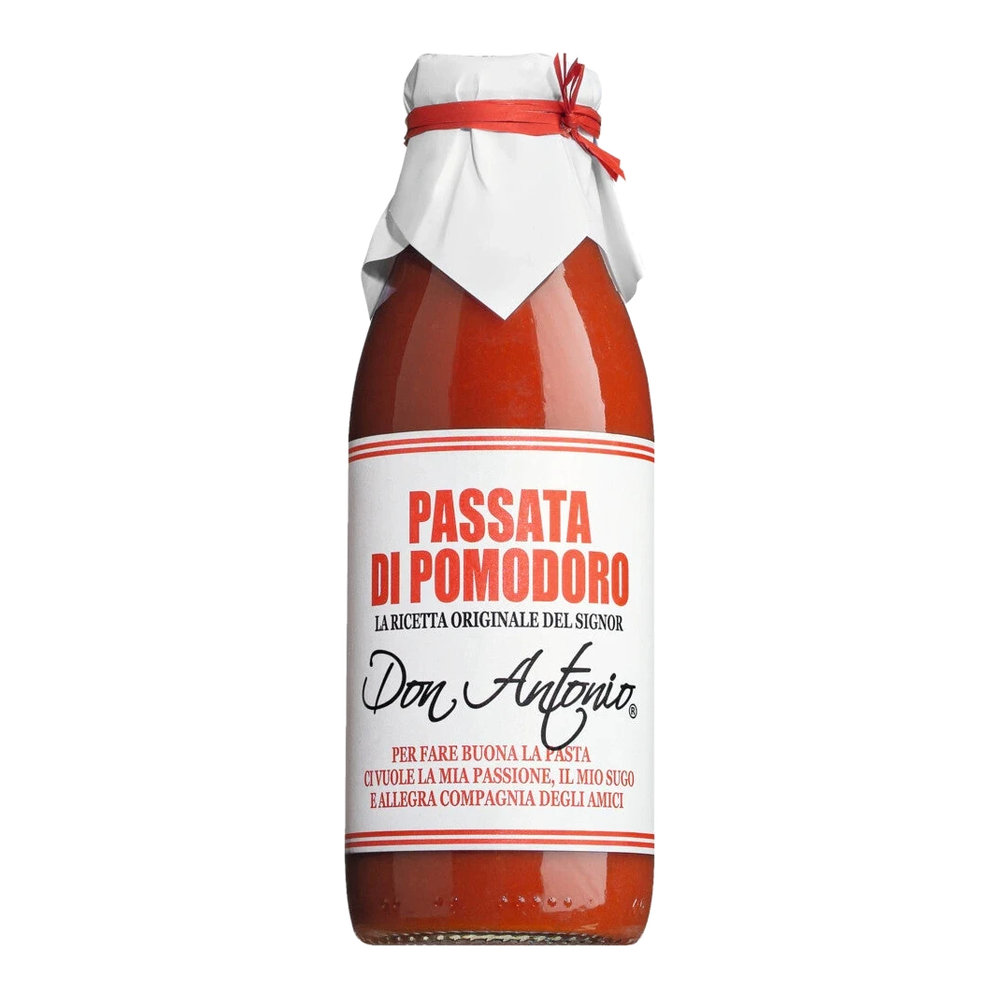
The principle that Don Antonio once developed at the stove still applies today: harvest only when the ripeness is right – then process immediately. The tomatoes for the passata are picked by hand at the optimal moment of the natural ripening cycle. The processing machines are specifically chosen so that they do not release any nickel; the water content in the finished passata remains deliberately low, which concentrates consistency and aroma. A significant amount of manual work still goes into the antipasti lines today – machine cycles are used where they do not reduce quality, while manual steps remain where they ensure quality. Sustainability is not a marketing promise here, but the logical consequence of the principle of short producer-processor chains: raw materials from the region, processed in the company's own facility on the farm near Roccascalegna.
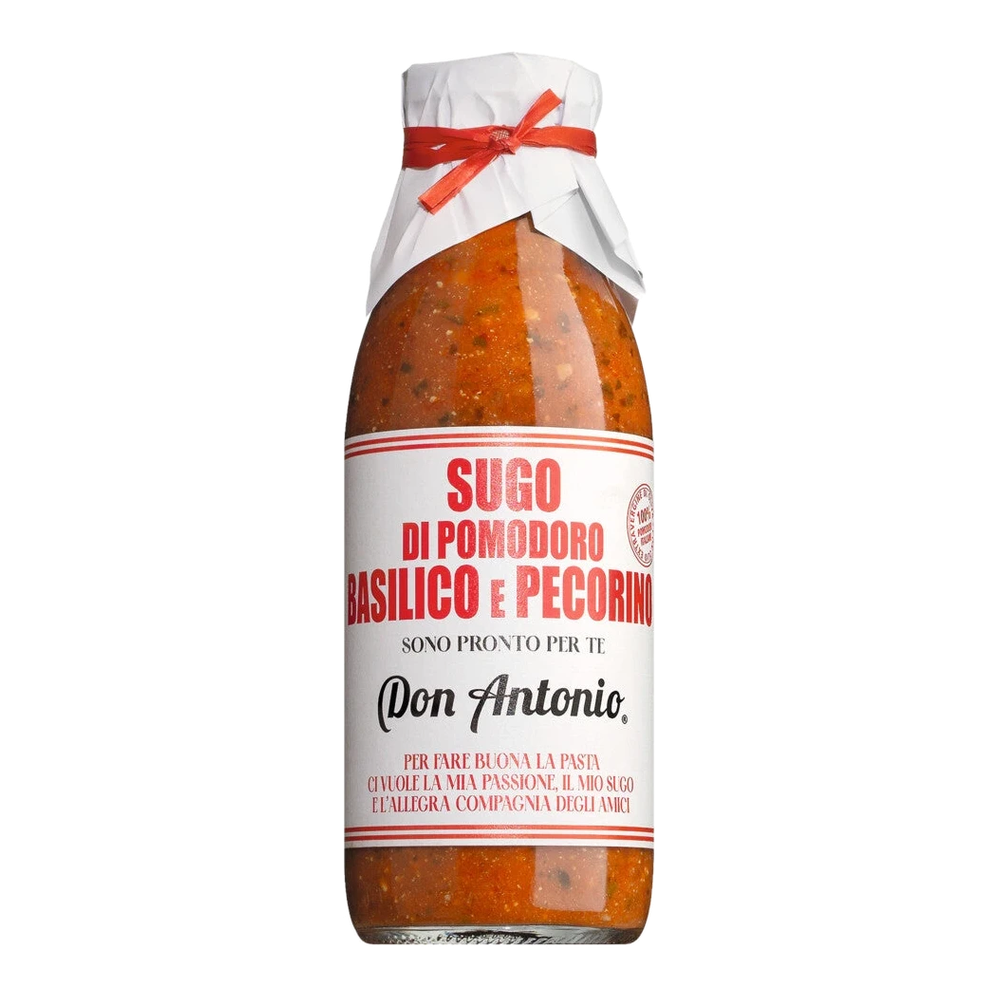
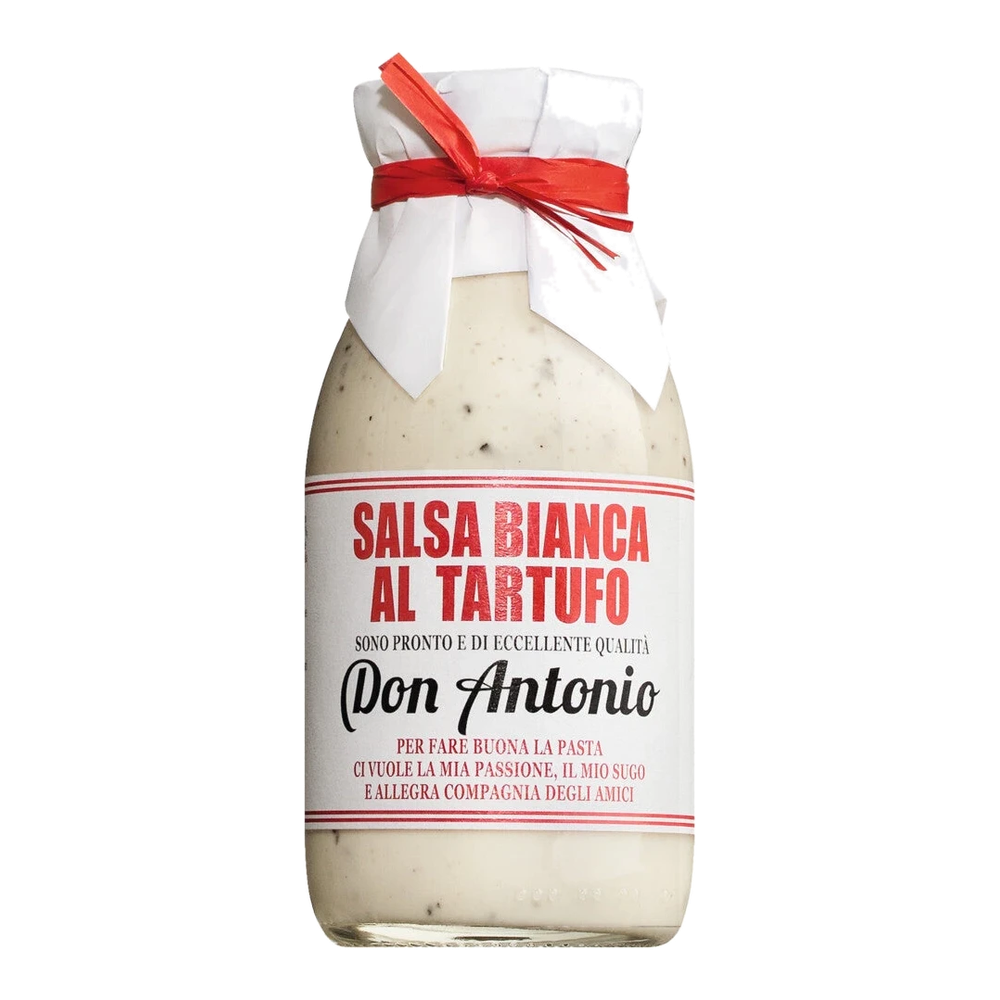
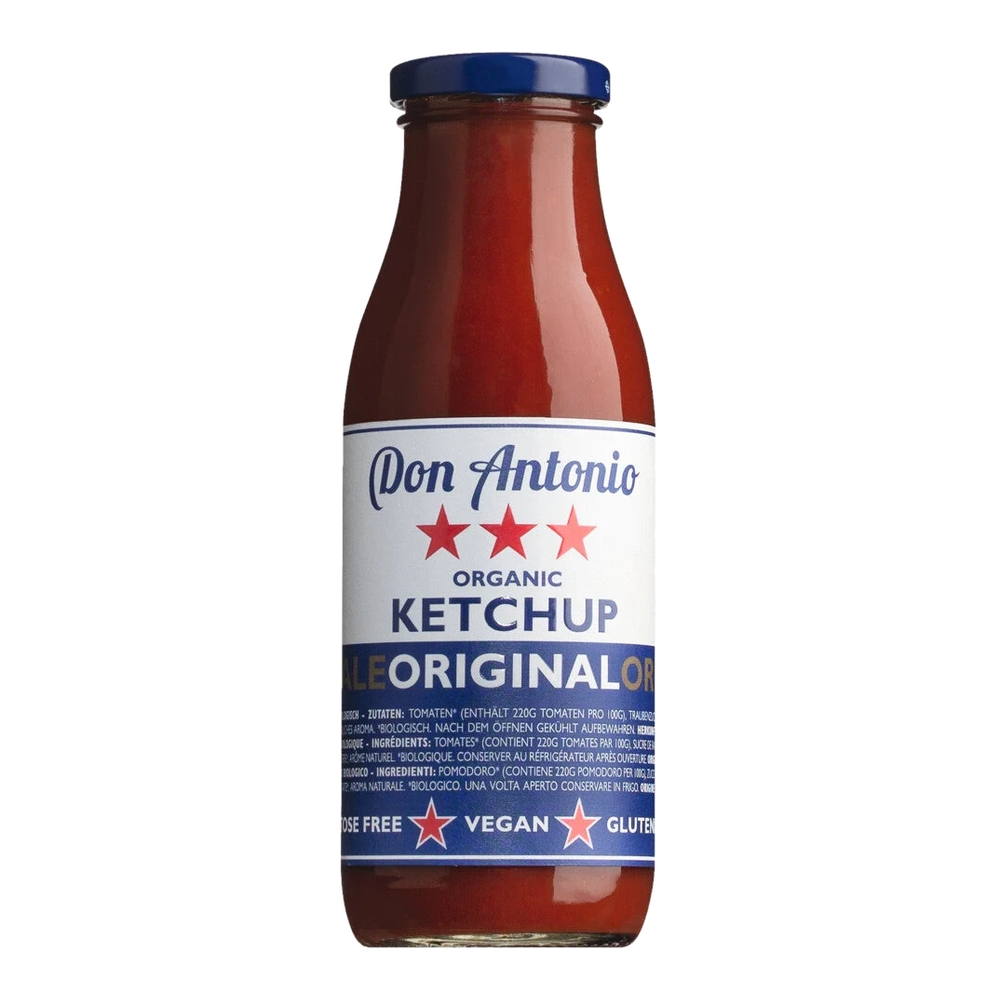
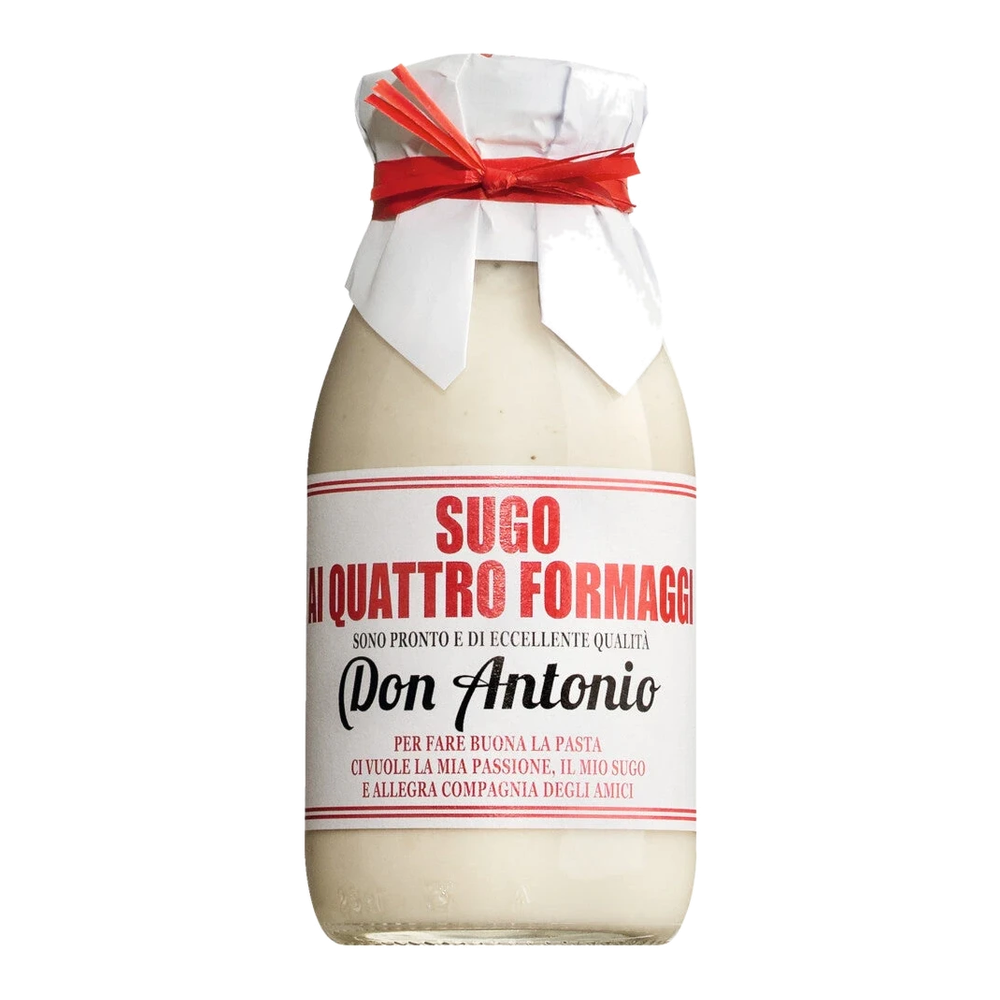
The entire Don Antonio sauce line is vegan, gluten-free and lactose-free – a product decision that relies on the purity of the ingredients, not on omission: anyone who uses good tomatoes, regional Pecorino, fresh basil or real truffles does not need fillers.
The range: Abruzzese cuisine in jars and cans
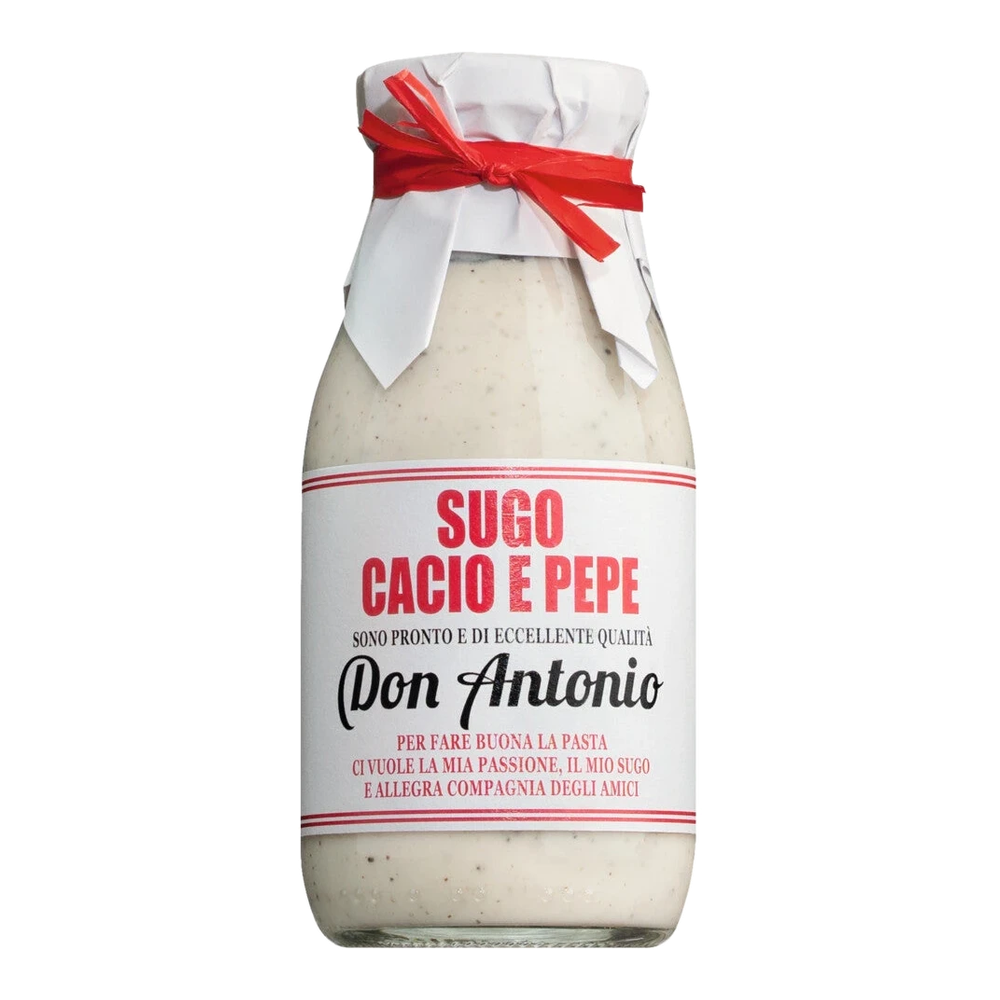
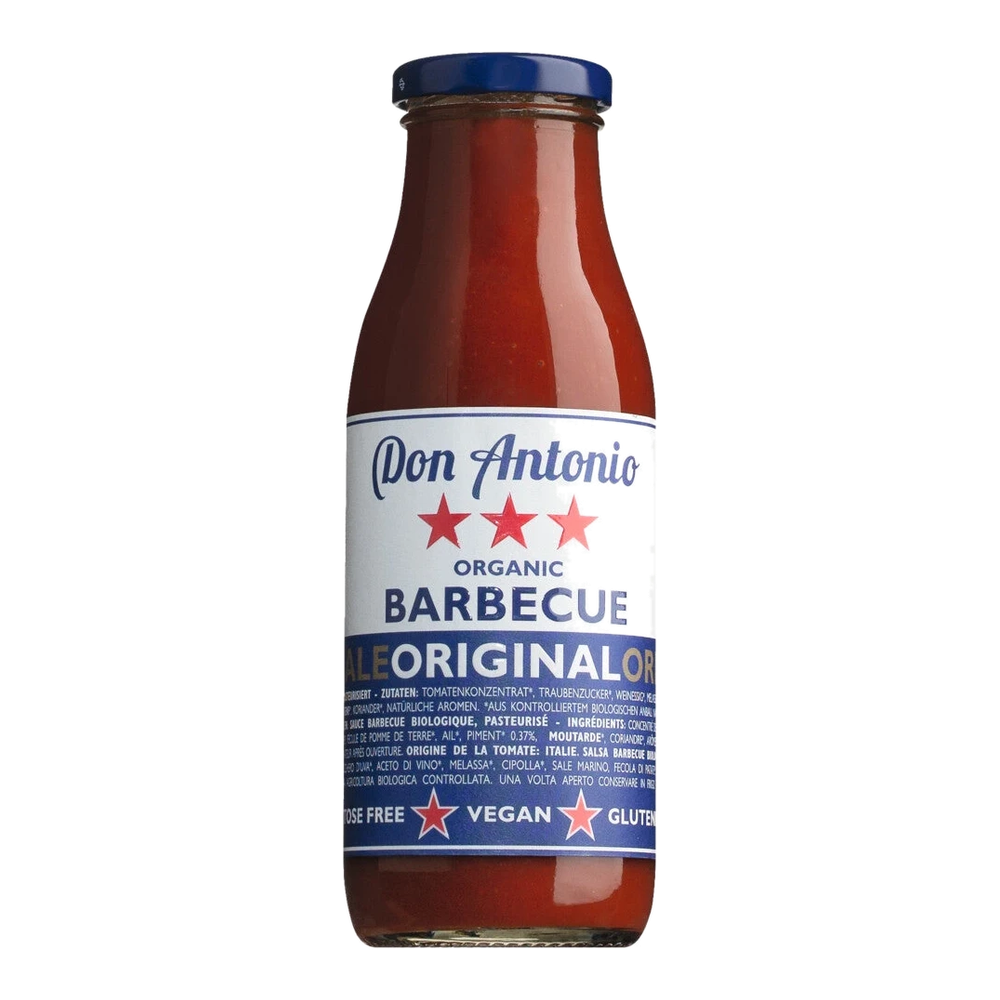
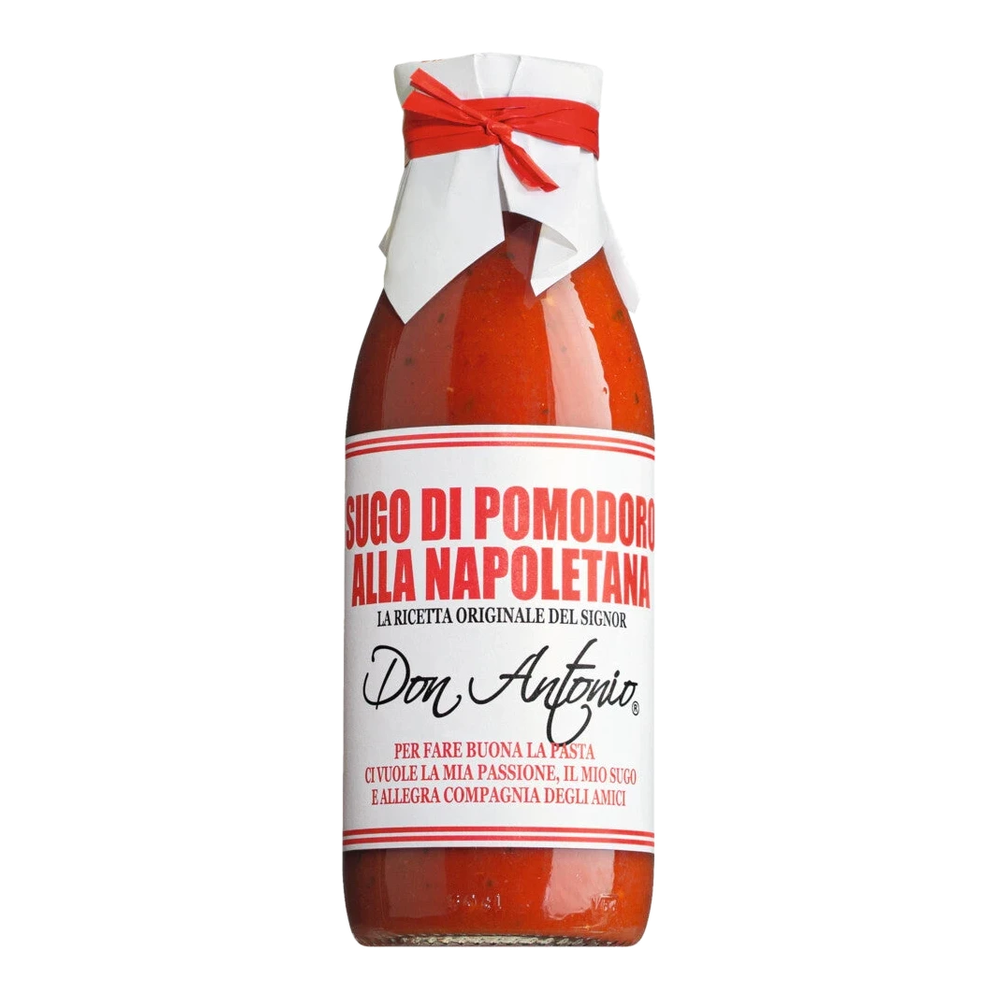
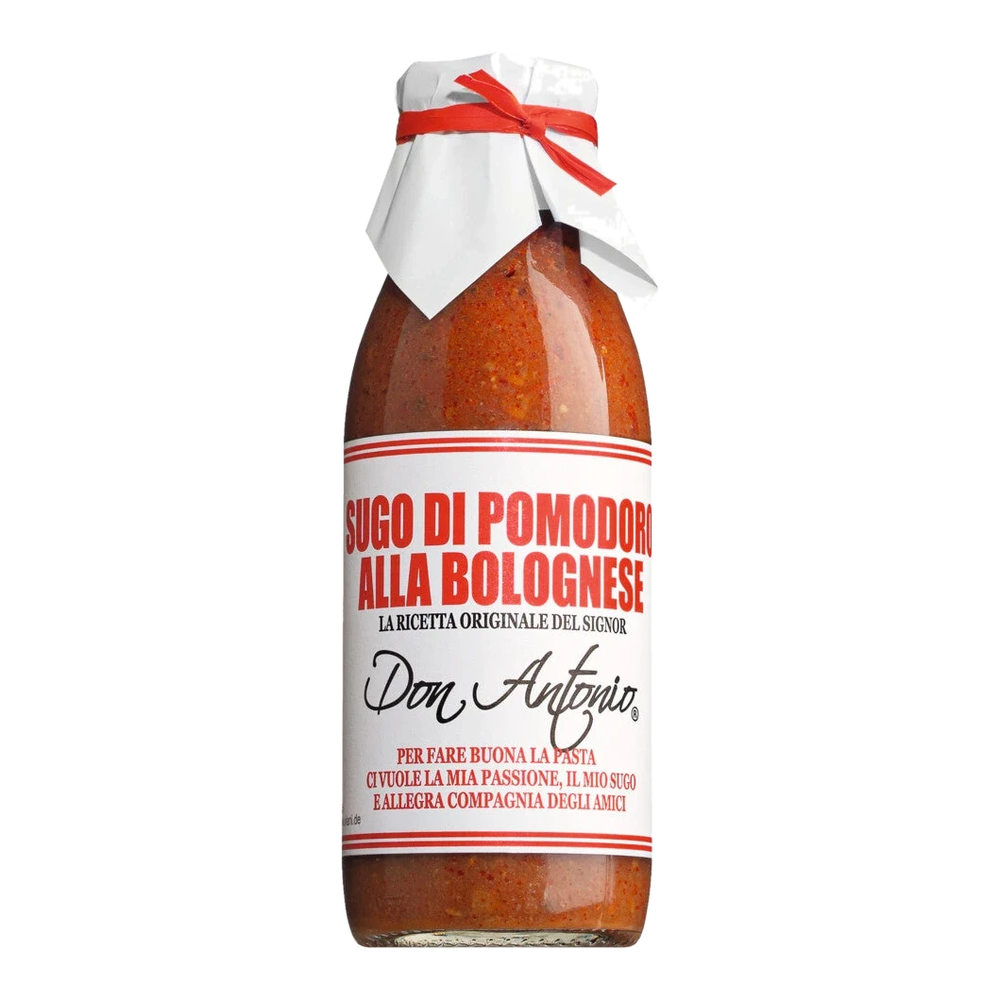
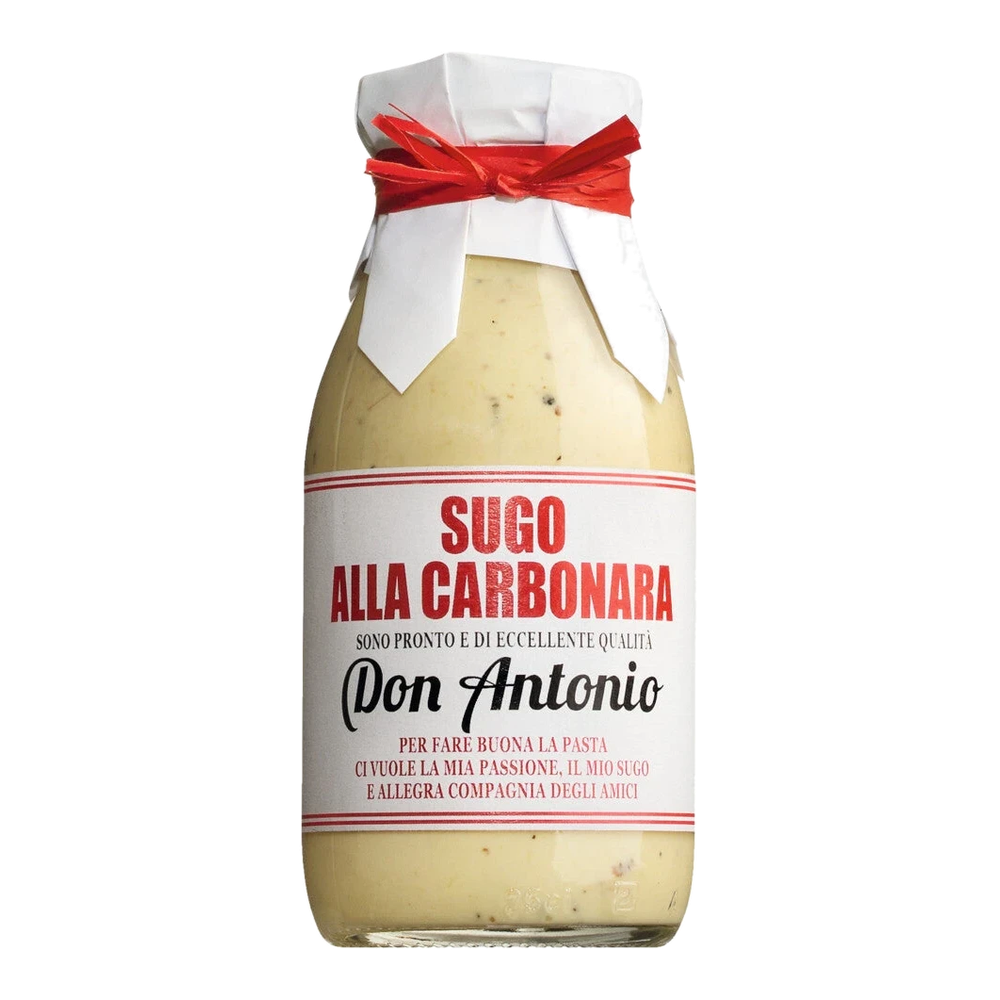
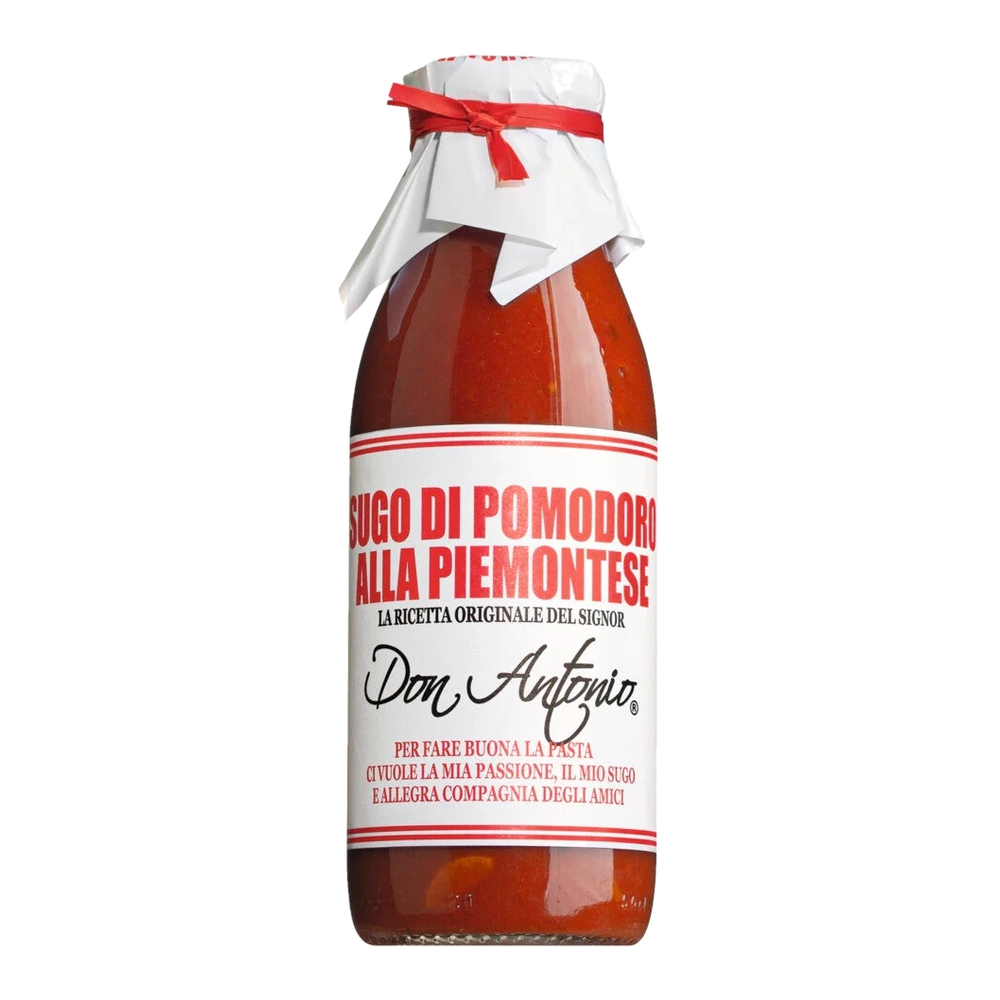
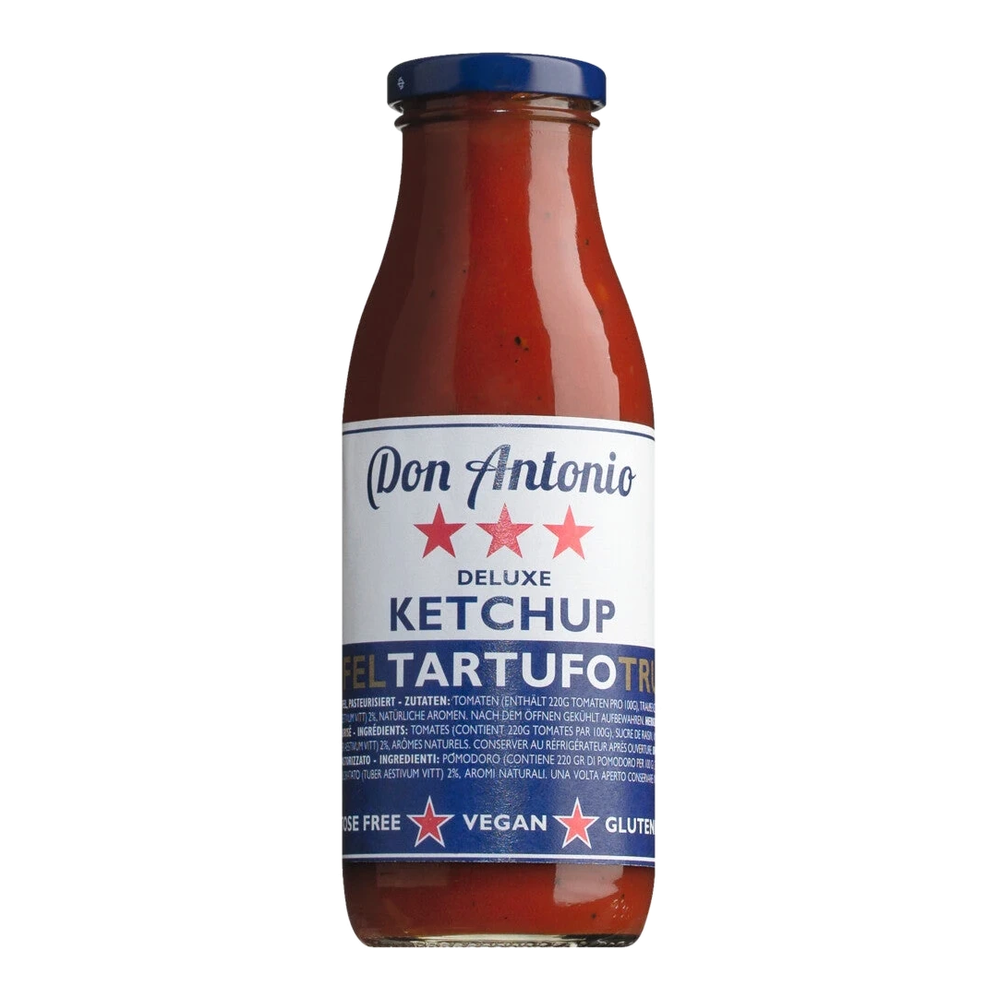
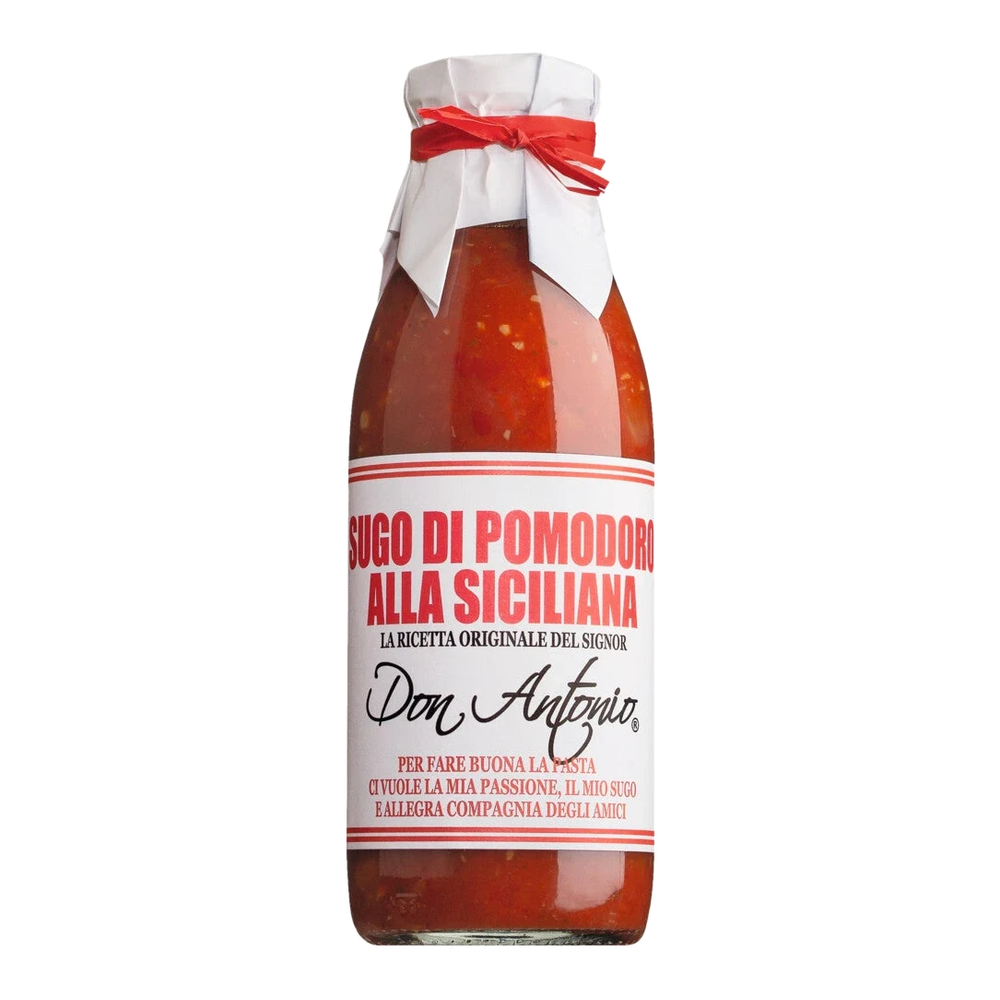
What Casina Rossa produces today can be read as condensed home cooking from Abruzzo: Passate di Pomodoro with a creamy texture and intense tomato aroma, ready-to-use sughi based on family recipes – from the classic Bolognese to Basilico e Pecorino to Carbonara – plus barbecue sauces and ketchup, including variants with black truffles from the region. The Salsa bianca al tartufo and the Ketchup al tartufo are exemplary of how Casina Rossa translates local Abruzzo products into everyday kitchen aids. Specialty retailers in Australia, the USA, Japan, Switzerland and across Europe carry the line – which shows that traditional Abruzzese cuisine in jars works when the raw material is right.