From an osteria to a benchmark winery of the Colli Tortonesi
The history of Cantine Volpi begins in 1914 in Tortona, Alessandria province, when a woman named Cristina, together with her two sons, buys an old tavern in the city center — the Cappel Verde. There, wine is initially served by the glass, and soon after, it is also delivered to the region as a commodity. The strategic location of Tortona, wedged between Piedmont, Lombardy, Liguria, and Emilia-Romagna, makes the city a natural hub for the wine trade. From this small osteria, a family business has grown over five generations, which today is one of the most well-known names in Piedmontese viticulture. Today, Carlo Volpi, his wife Laura, and since 2020 also their son Marco — the fifth generation — manage the company together.
Another milestone: in 2003, after years of negotiations, Carlo Volpi acquires Cascina La Zerba in Volpedo, an estate his father had long had his eye on. In 2022, a wing of the property was converted into a tasting area, amidst the Timorasso and Barbera vines. In 2019, Cantine Volpi consolidated all production steps — from grape reception to bottling — in a new vinification facility at the headquarters in Tortona.
Pioneering work between organic viticulture and an all-Italian range
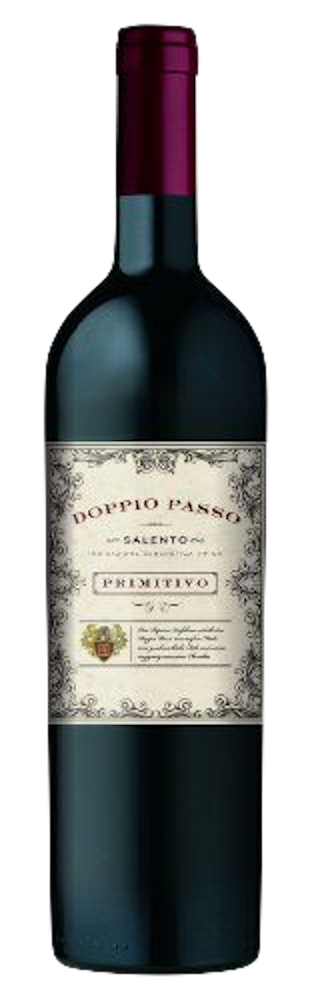
Cantine Volpi stands for a consistent innovative attitude that runs through the entire history of the company. In the 1970s and 1980s, the house positioned itself as one of the early pioneers of naturally sparkling white wine with a Cortese Frizzante from the Colli Tortonesi — long before Prosecco and Franciacorta achieved their current fame. In the same decades, the barrique found its way into the cellar, and the house began producing Novello wines. In the 1990s, Cantine Volpi took another step that was unusual at the time: as one of the first wineries in Italy, they consistently focused on organic viticulture on a large scale. Today, organic accounts for around 70% of total production. This phase also gave rise to the strategy of entering into long-term partnerships with producers from all over Italy in order to be able to represent a complete portfolio of the country — including wines from Puglia such as the Doppio Passo Primitivo.
Timorasso, Barbera, and Primitivo — signature with depth
The heart of their own cultivation lies in the Colli Tortonesi: Barbera Superiore and Timorasso Derthona from the vines of Cascina La Zerba form the pinnacle of the estate's own range. The Timorasso — a rediscovered indigenous white grape variety from the Tortona area — shows what this hillside location can do: mineral structure, aging potential, depth. The Barbera from Volpedo, where the variety was cultivated even before DOC recognition, completes the picture with juicy fruit flesh and a clear acid structure. In addition, there are Cortese, Dolcetto, Barolo, and Moscato from the wider Piedmontese environment as well as wines from other significant Italian growing regions. Over 4 million bottles leave Tortona annually — 90% of which are for export, to more than 35 countries worldwide.