From a friendship between two wine dynasties
Caliterra was founded in 1996 as a joint project between two wine families: the Robert G. Mondavi family from California and Viña Errázuriz from Chile — a house with roots in Chilean wine history dating back to 1870. Eduardo Chadwick, the fifth generation of the Errázuriz family, and Robert Mondavi shared the conviction that the Colchagua Valley possessed the potential for exceptional red wines. The result of this partnership was the Caliterra Estate in the heart of the valley — around 200 kilometers south of Santiago, at an altitude of about 150 meters, within the reach of cool Pacific winds. Today, Caliterra is fully owned by Viña Errázuriz, but the name and the project still carry the original vision of both families.
Pioneering work in Chilean sustainable viticulture
The estate covers around 1,085 hectares, of which about 75 percent is preserved as untouched natural land. The vineyards themselves stretch across slopes and hills, with soils alternating between clay-loam and sandy-loam, ensuring distinct varietal characteristics. In the vineyard, Caliterra works according to integrated pest management programs; a portion of the area — primarily Cabernet Sauvignon, Carmenère, and Syrah — is farmed organically.
The commitment to sustainability goes far beyond the vineyard: in 2008, Caliterra developed its own measurement system for sustainable practices, which was adopted in 2010 as the basis for the Chilean wine industry's national sustainability code. In 2017, Caliterra was the first Chilean winery to achieve CarboNZero certification without purchasing carbon credits. Further measures include water recycling, erosion control, reforestation, and lightweight glass bottles. The winery is also certified as sustainable by the Wines of Chile Association.
Colchagua character in two wine lines
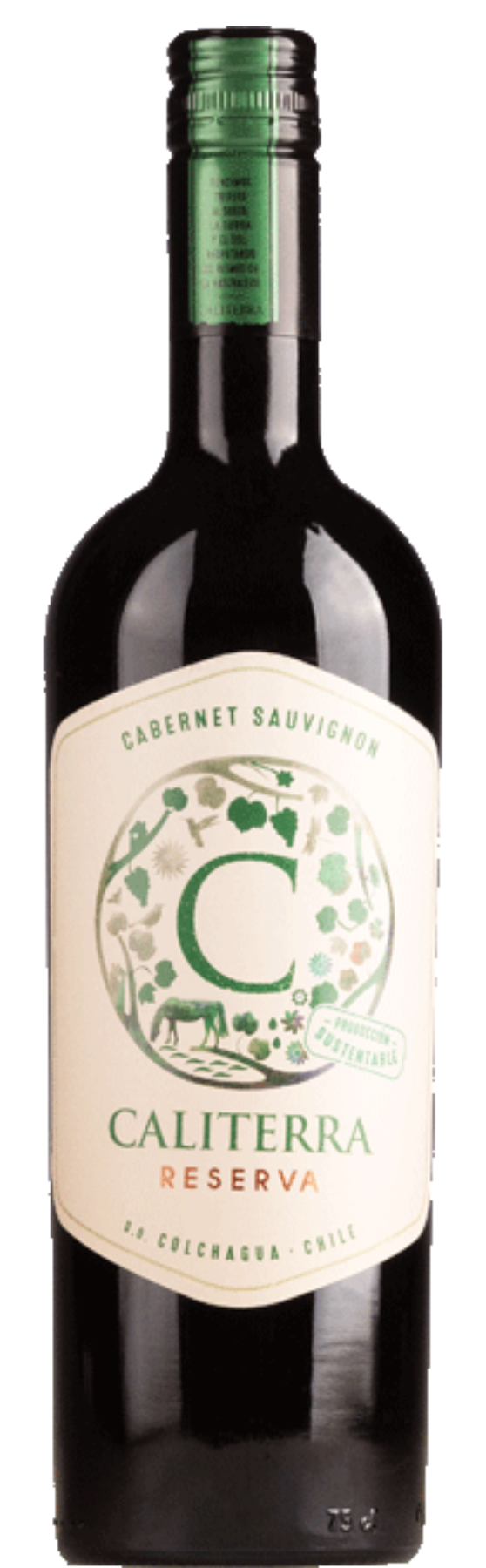
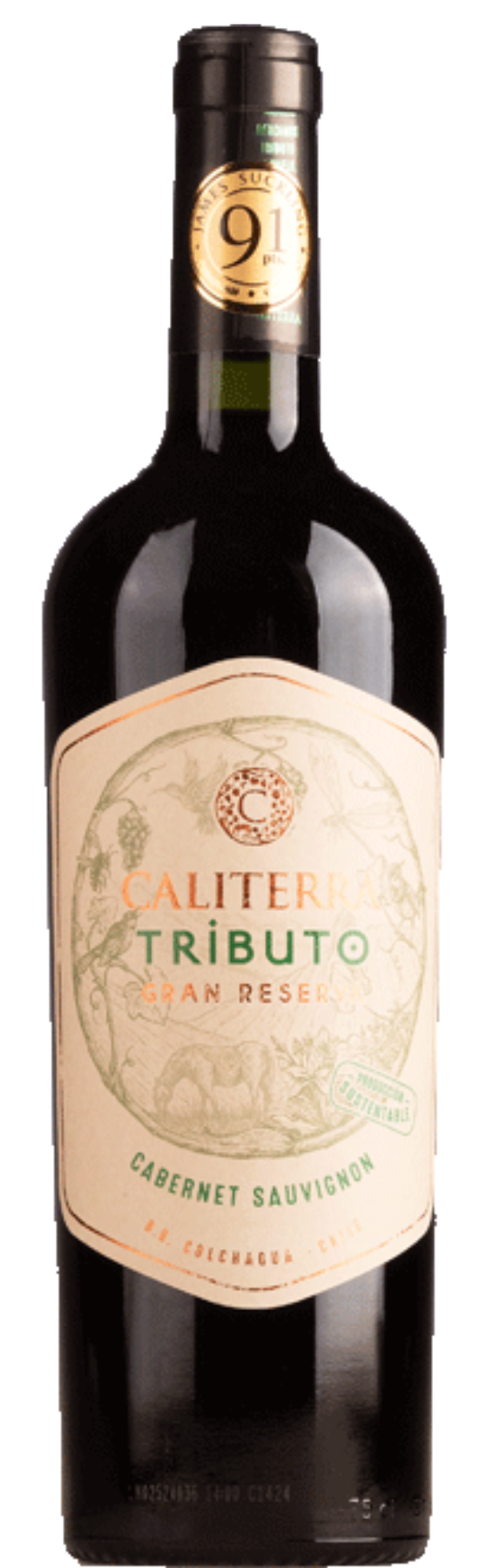
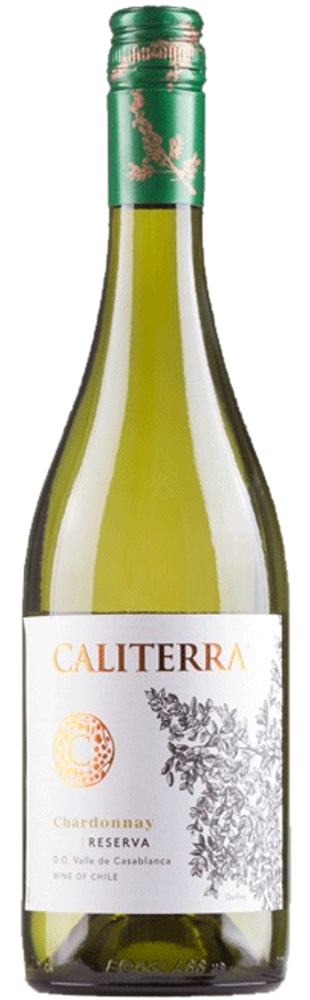
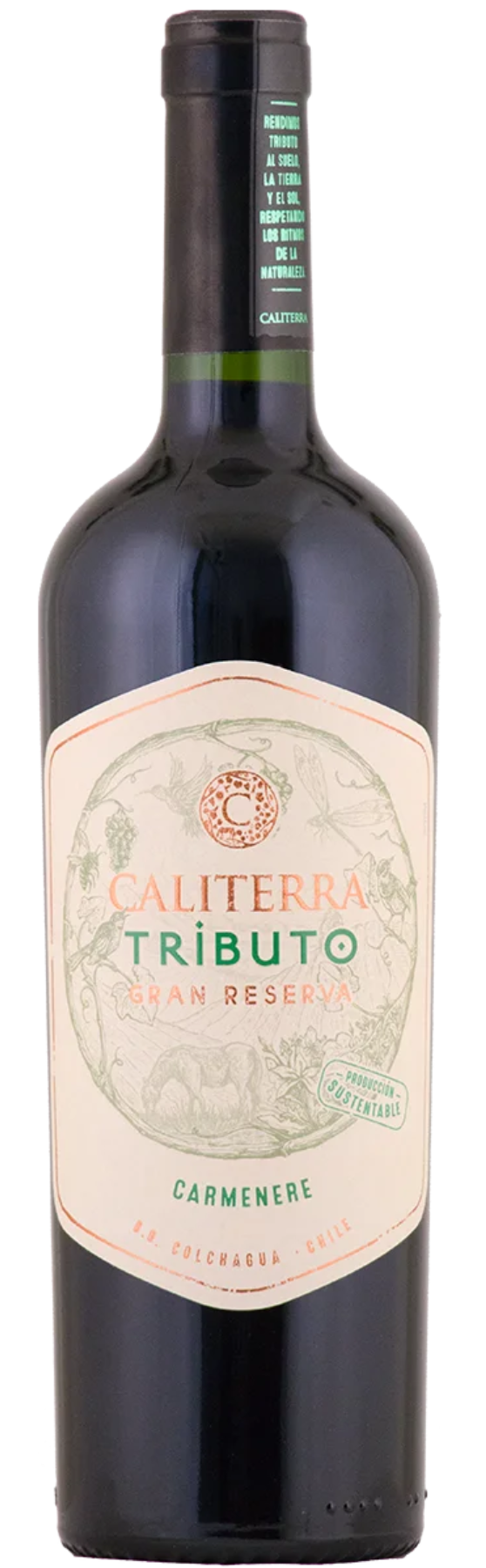
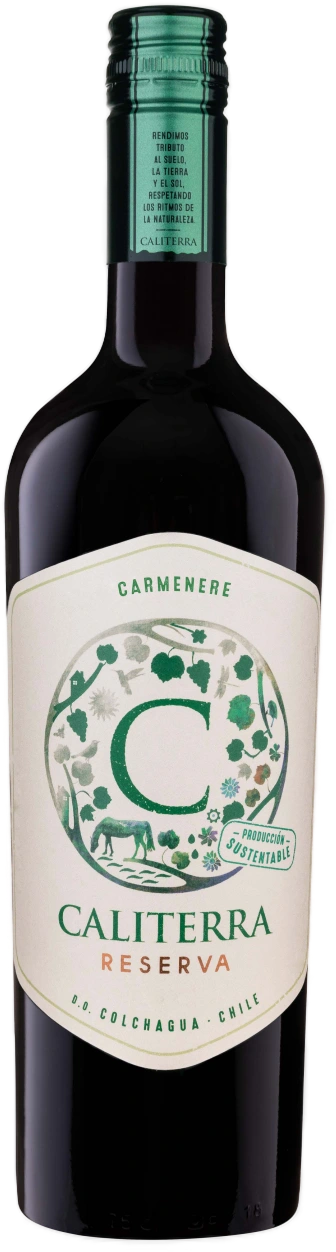
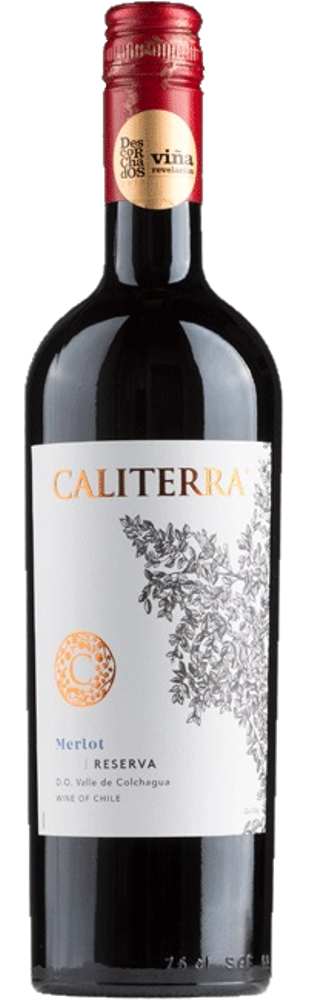
Caliterra produces two clearly distinct lines. The Reserva wines are created from selected estate vineyards in the Colchagua Valley (red wines) as well as sites in Curicó, Maipo, and Casablanca (white wines) and are aged in French and American oak barrels. They stand for a fruity, accessible style with clear varietal typicity. The Tributo line — Gran Reserva — highlights individual parcels and gives the grape varieties more depth and texture: longer on wood, more focused on terroir expression. Carmenère, Chile's own signature grape variety, plays a special role here. Serving temperature for the red wines: 16–18 °C.