From idea to brand: Bruno Eyron and the Wageck-Pfaffmann foundation
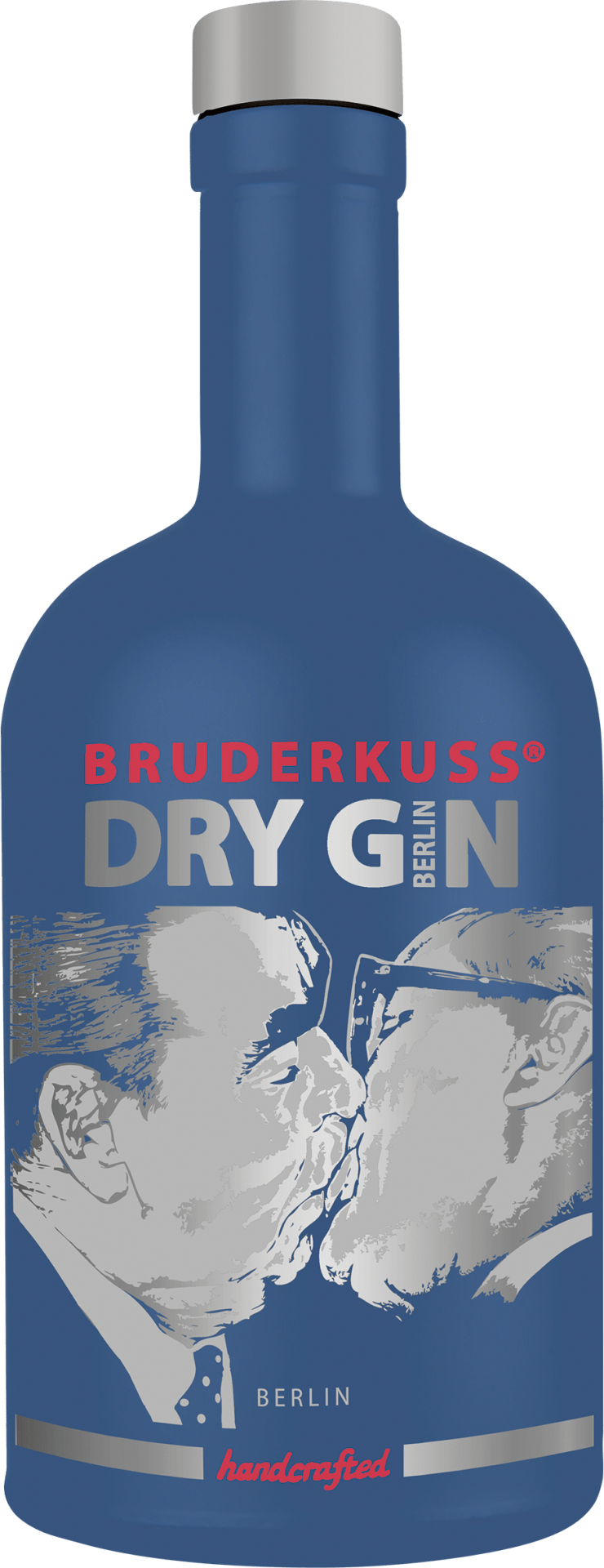
Bruderkuss is not a classic winemaking family, but a consistently well-thought-out wine brand with a clear origin. Behind it is the actor Bruno Eyron, who initially took up the idea as a gin project: the iconic motif of the fraternal kiss between Brezhnev and Honecker — photographed by Régis Bossu and later immortalized by Dmitri Vrubel at the East Side Gallery — became the brand's core. From this Berlin visual icon, Eyron developed a range that today includes wines and spirits.
For wine production, he won over the family winery Wageck-Pfaffmann in Bissersheim in the northern Palatinate. The winery, which has operated under the double name Wageck-Pfaffmann since 1973, is now managed by Frank and Thomas Pfaffmann in the fourth and fifth generation respectively — the brothers literally stand for the brand's name. Their parents, Gertraud and Gunter Pfaffmann, still support the business today.
Palatinate limestone soils, hand-picking, and clear cellar technology
Bissersheim is located in the Mittelhaardt, one of the sunniest sections of the German Wine Route. The soils of the Wageck-Pfaffmann winery consist predominantly of limestone, which gives the white wine cuvées their characteristic minerality and structure. The grapes are picked by hand and reach the cellar as quickly as possible — a detail that makes the difference with aromatic varieties like Muscat and Pinot Blanc.
The white wines of the Bruderkuss line are created in stainless steel tanks, which keeps the fruit aromas clean and gives the wines their fresh, direct style. For the red wine line, the winery relies on aging in large wooden barrels — subtle wood that does not overpower the fruit. The brand's spirits, including various gin editions, are produced by the Thomas Sippel distillery in Weisenheim am Berg.
City portraits in the glass: Cuvées with recognition value
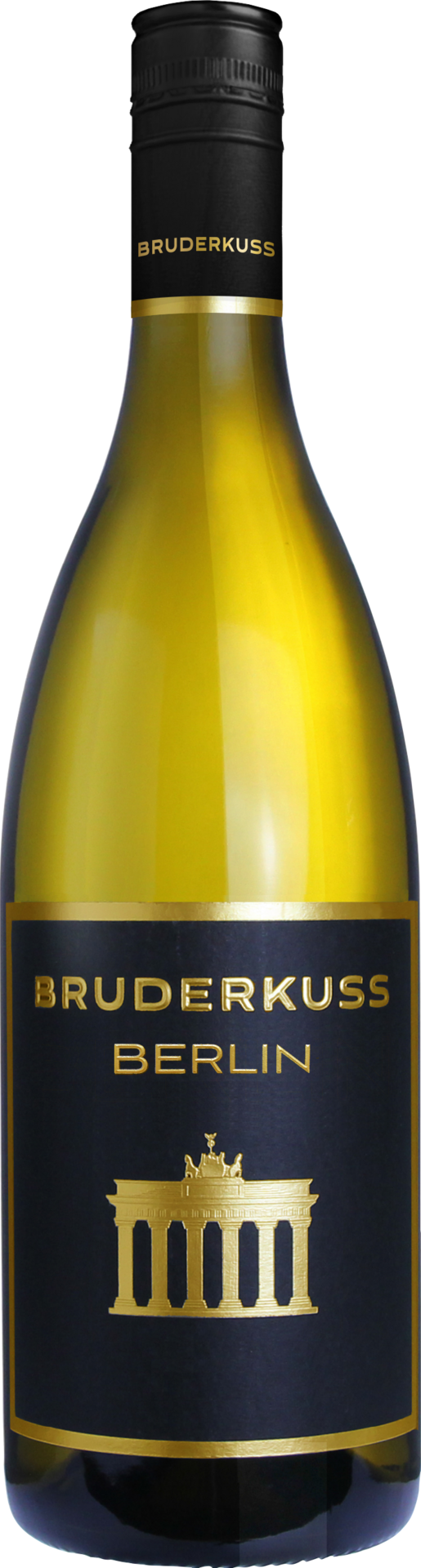
The range of Bruderkuss wines follows an unusual principle: instead of vineyard designations, city names are on the label. The Berlin and Munich Edition are white wine cuvées made from Silvaner, Muscat, Chardonnay, and Pinot Blanc — Palatinate classics, combined into a fruit-forward, easy-drinking line. Aromatically, peach and passion fruit dominate, the acidity remains balanced, and the finish shows a nice melt. In addition, there is a red wine with a reference to Munich, which relies on Pinot Noir, Dornfelder, and Portugieser and impresses with notes of forest fruits and a subtle wood tone.
Bruderkuss is aimed at an urban audience that appreciates Palatinate craftsmanship without wanting to fight their way through heavy wine lists. The miniatures — 0.04-liter bottles in the Munich and St. Pauli Edition — show that the brand is also open to unusual formats and occasions. A glass of Bruderkuss goes just as well with a meal with friends as it does as an aperitif before dinner.