From olive grove to the benchmark of Uruguayan viticulture
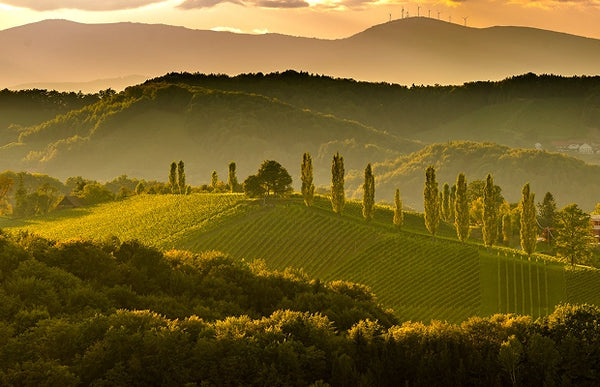
When Alejandro Bulgheroni began acquiring land in the Maldonado department around the year 2000, wine was not the focus of his plans. 2007 changed that: His wife Bettina insisted on using the most beautiful part of the sprawling estate—hilly granite landscape, about 18 kilometers from the Atlantic—for something that would preserve the tranquility of the area. Bulgheroni called Italian oenologist Alberto Antonini, who analyzed the soils and gave the green light: The ancient granite weathering soils of Maldonado, formed about 2.5 billion years ago, offered the potential for wines with a true sense of origin. The first 29 hectares of vines were planted in 2007, and in 2016 the completed winery building opened its doors—since then, Garzón has been considered a reference point for modern Uruguayan viticulture.
Gravity, granite, and the first LEED winery outside North America
The heart of the project is a winery building constructed on the principle of gravity: The grapes are received at the highest level and travel from stage to stage downwards—entirely without pumps that would stress the harvested fruit. Solar and wind energy cover the electricity demand; the entire building, the vineyards, and the catering operation together hold the LEED Silver certification—the first winery of its kind outside North America. The 240 planted hectares are divided into over 1,300 individual plots, each with its own microclimate and planting density. More than 20 grape varieties stand side by side, spread out on slopes framed by native forests and palm trees. Alberto Antonini, who has worked as a consulting oenologist since the beginning, is complemented by local cellar master Germán Bruzzone—a third-generation winemaker from the Uruguayan wine region of Canelones.
At Garzón, sustainability is not a marketing phrase but structurally anchored: minimal machine use in the vineyard, protection of native vegetation, energy self-sufficiency through renewable sources. The entire estate—around 2,200 hectares—integrates viticulture, nature conservation, gastronomy, and ecotourism as a cohesive concept.
Tannat, Albariño, and the coastal character of Maldonado
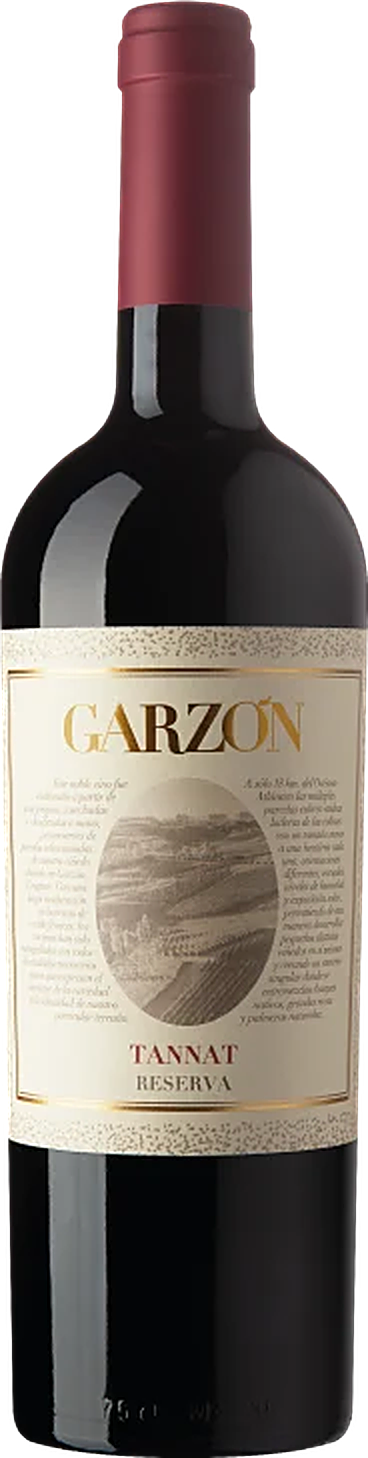
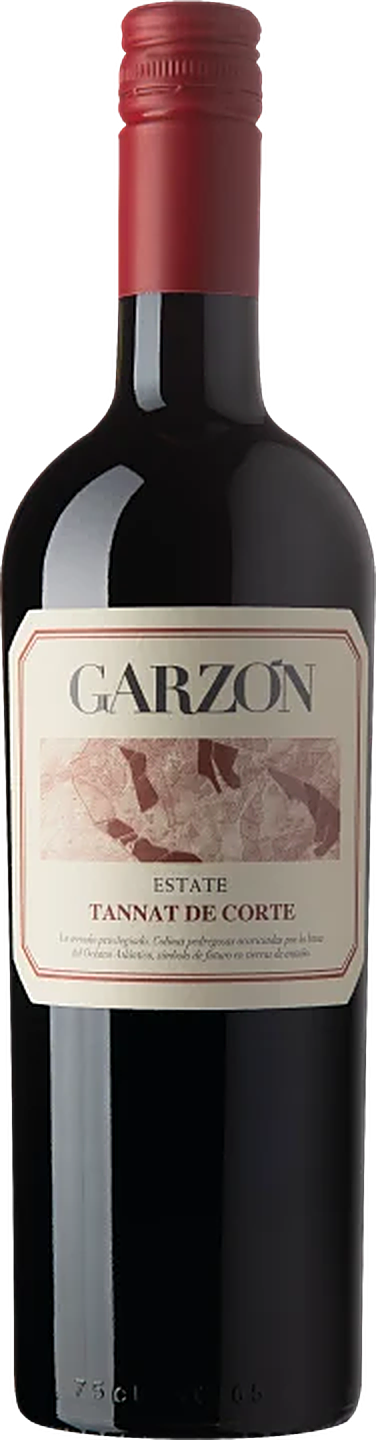
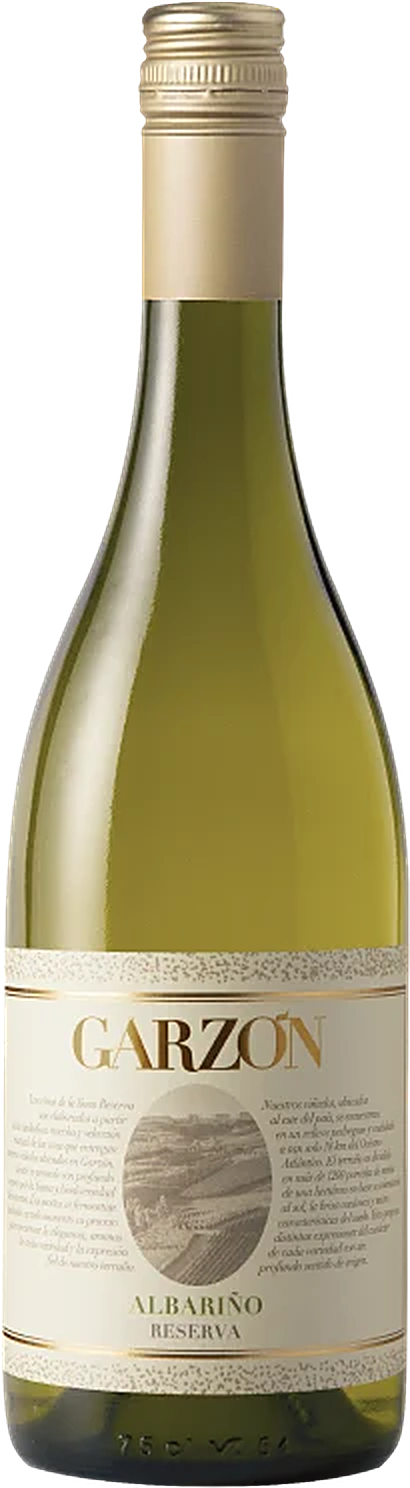
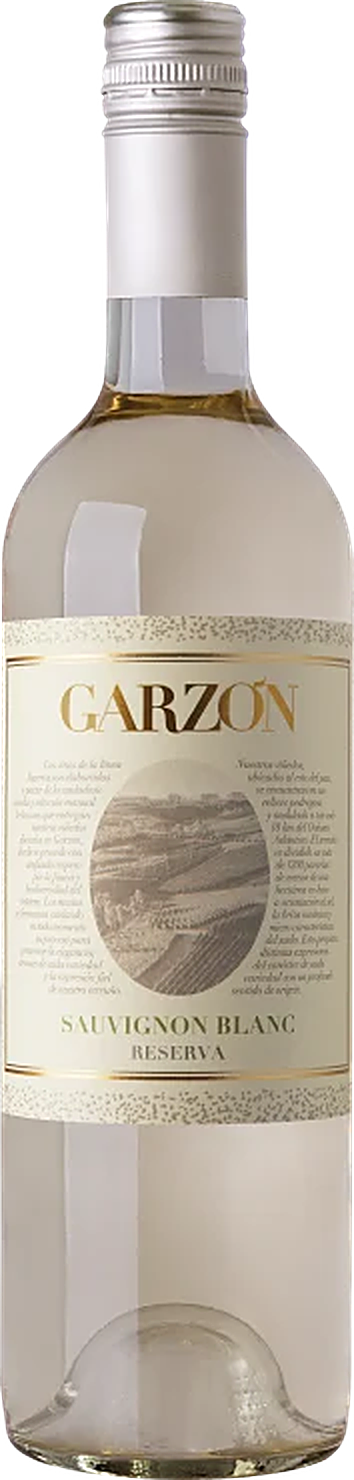
Garzón has placed two grape varieties at the center that particularly clearly bring out the Atlantic character of the region: Tannat and Albariño. While Tannat is known for its dense, often rough structure in its European region of origin, Madiran, it shows cooler fruit and finer tannins in Maldonado—a direct reflection of the oceanic climate. In Garzón, Albariño finds the largest contiguous cultivation area of this variety in all of the Americas and, from the granite soils, delivers a salty minerality that is reminiscent of northern Spanish Rias Baixas models without copying them. The range extends from the accessible De Corte wines to the plot-focused Reserva bottlings and the iconic Balasto wine. Specifically in our range: the Albariño Reserva Maldonado, the Sauvignon Blanc de Corte, the Tannat de Corte, and the Tannat Reserva—wines that show what granite-containing Atlantic soil produces from Atlantic-cooled sites when winemaker and vineyard work together consistently.