Argentina's oldest bodega — from 1831 to the present
Bodega Colomé was founded in 1831 and is thus considered the oldest continuously operating bodega in Argentina. The foundation was laid by the Spanish governor of Salta, Nicolás Severo de Isasmendi y Echalar. In 1854, his daughter brought the first pre-phylloxera Malbec and Cabernet Sauvignon vines from France to the Calchaquí Valleys — vines that still stand ungrafted in the vineyard today and bear fruit.
The estate remained in the hands of the Isasmendi and Dávalos families for around 170 years before the Swiss entrepreneur Donald Hess acquired the winery in 2001. Hess, who had previously built the Hess Collection in Napa Valley, had traveled through Chile and Mendoza in search of an extraordinary terroir — without finding the right one. He found what he was looking for in the Calchaquí Valleys, at an altitude of 2,300 meters. He bought Colomé and thus not only revived a historic winery but also the surrounding village: schools, a community center, and a museum for the Californian light artist James Turrell were built. Today, Larissa and Christoph Ehrbar, the second generation of the Hess family, manage the estate.
Consistent sustainability on extreme terrain
In one of the most remote wine-growing regions in the world, sustainability is not a communication strategy, but a simple necessity. Bodega Colomé works without chemical pesticides, relies on organic fertilizers, and actively promotes biodiversity in the vineyard. Irrigation water comes exclusively from snowmelt and local streams; a hydroelectric system generates electricity on the premises. The estate's own organic farm and orchards supply the estate restaurant — a closed cycle that enables almost emission-free operation.
In the cellar, French winemaker Thibaut Delmotte has been in charge since 2005. His philosophy is clear: minimal intervention, maximum respect for the raw material. The combination of intense sunlight, cool nights, and the long ripening cycle at high altitude produces thick-skinned berries with natural concentration and vibrant acidity — ideal conditions for cellar aging that brings out these characteristics rather than over-shaping them.
Malbec and Torrontés from the clouds — the Colomé range
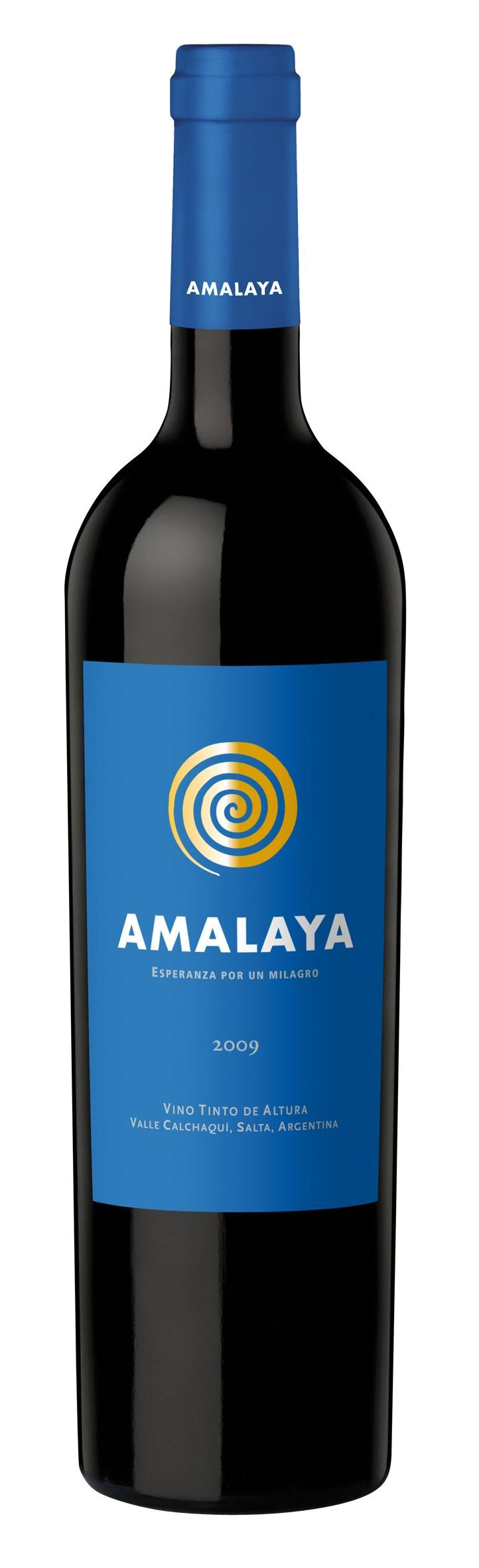
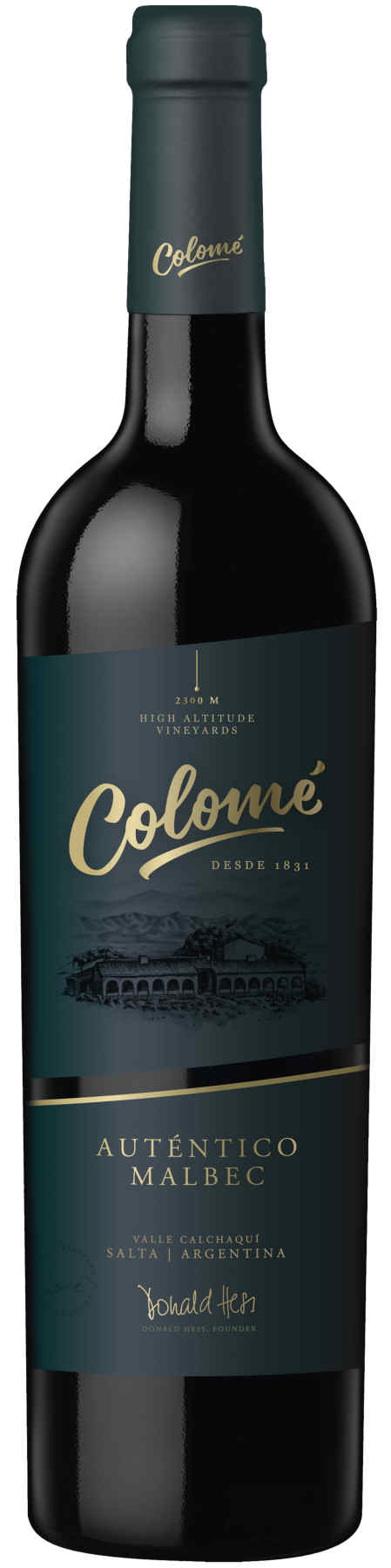
The vineyards of Bodega Colomé extend over 151 hectares between 2,300 and 3,111 meters above sea level — making them among the highest commercial sites in the world. The flagship Altura Máxima comes from the vineyard of the same name at 3,111 meters. The range extends from the accessible entry-level wines through the Amalaya line to the Estate and Auténtico wines, which come from the estate's oldest, ungrafted vines.
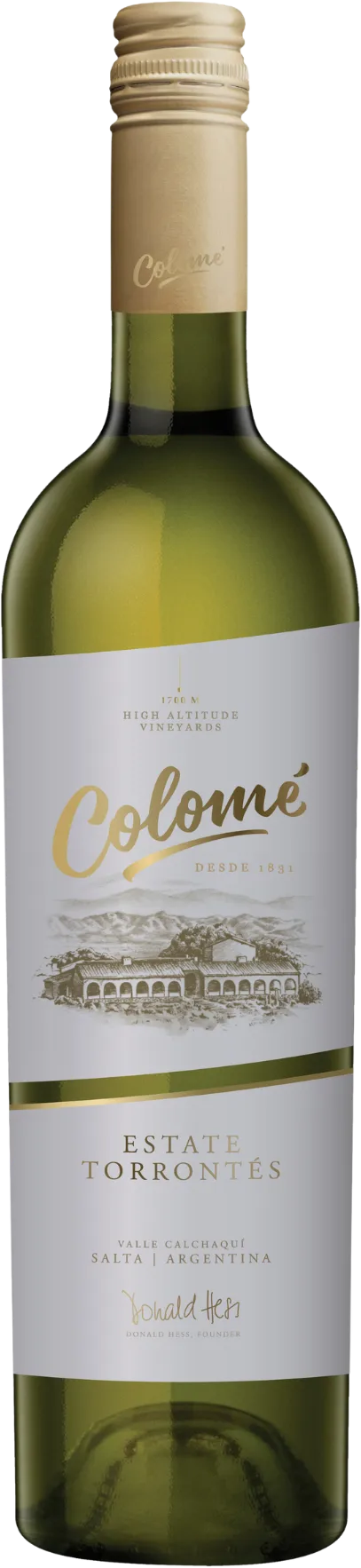
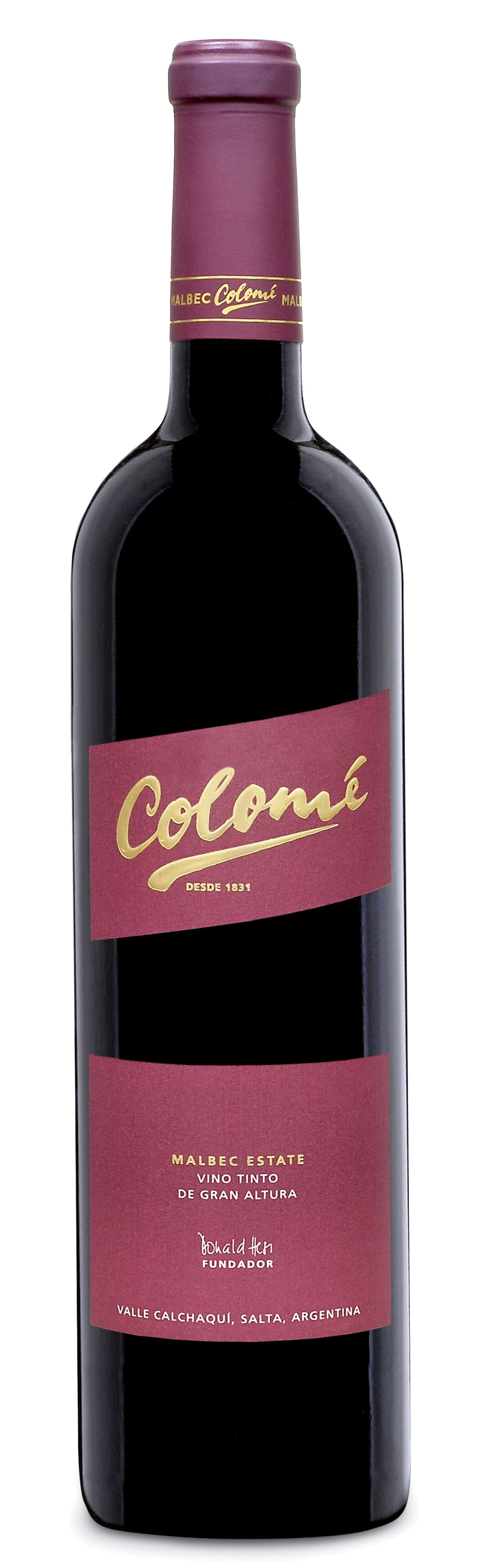
The focus is on Argentina's leading grape varieties: Malbec and Torrontés. The Malbec from Colomé shows what high altitude and a long vegetation cycle can achieve — dense color, aromas of dark fruit and spice, plus a freshness and acidity structure that wines from lower-lying sites lack. The Torrontés, in turn, benefits from the cool nights: floral aromas, citrus freshness, clear line. Those who drink the wines of Colomé hold in their glass what happens when nearly 200 years of winemaking tradition meet one of the most extreme terroirs on earth.