From medieval dehesa to Pago pioneer
Finca Casadevacas near Malpica de Tajo has belonged to the same family since 1292 – today to the descendants of Carlos Falcó, the fifth Marqués de Griñón. It was not until 1974 that Falcó, a trained agricultural engineer with stints in Louvain and at the University of California, Davis, transformed the historic estate into a modern wine-growing operation. He planted the first 14 hectares of Cabernet Sauvignon and was the first in Spain to introduce drip irrigation to viticulture. In the following decades, Syrah, Petit Verdot, and Graciano were added – grape varieties that he thus introduced to the region and, in some cases, to the entire country.
In 2002, Dominio de Valdepusa was the first winery in Spain to be awarded the status of Vino de Pago, officially confirmed by the EU in 2003. After Falcó's death in March 2020, the noble title passed to his daughter Tamara Falcó, and the winery remains in family hands.
Limestone, continental climate, and the signature of Michel Rolland
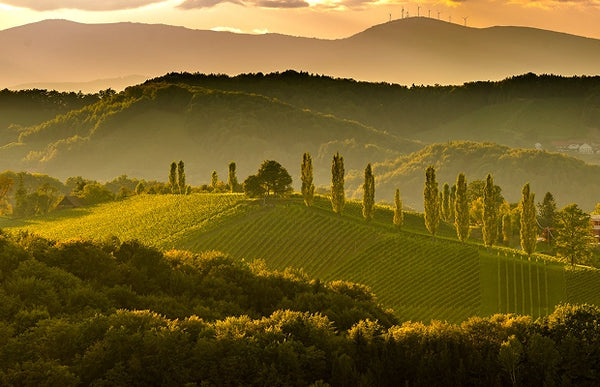
The vineyards are located in the Montes de Toledo at an altitude of around 500 meters, on a thin layer of clay over two meters of limestone. Large temperature differences between day and night and around 3,000 hours of sunshine per year characterize the distinctly continental nature of the site. The wine is pressed in a partially underground cellar that was integrated into an 18th-century building in 1989. For years, the Bordeaux oenologist Michel Rolland has been advising the team on winemaking. In addition to viticulture, the family manages over 110 hectares of olive groves of the Cornicabra, Picual, and Arbequina varieties – the basis for the house's multi-award-winning olive oils.
International grape varieties with a Castilian terroir fingerprint
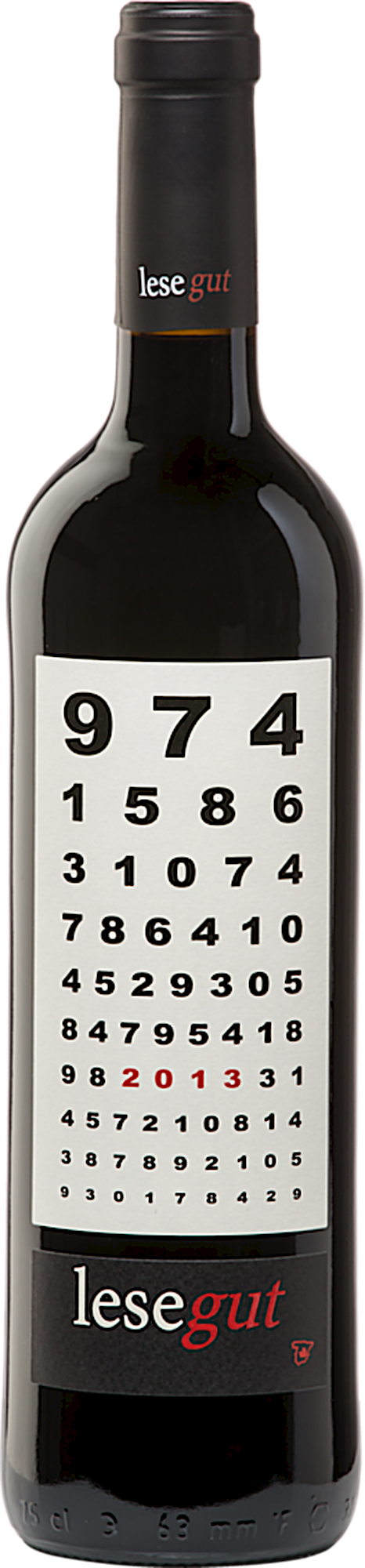
At the heart of the range are varietal wines made from Cabernet Sauvignon, Syrah, and Petit Verdot, as well as the cuvées Eméritus and Svmma Varietalis, which combine several of these grape varieties. Production is deliberately focused on red wines made exclusively from the estate's own grapes – no purchased grapes, no mass-produced goods. Anyone who reaches for a bottle like the Lesegut Tinto feels the same signature that has made Valdepusa one of the most highly regarded wineries in Castile: international grape varieties, consistently translated into an independent, limestone-influenced terroir.