Two centuries of craftsmanship: the birth of Diageo
Diageo was formed in 1997 through the merger of two British corporations: Guinness and Grand Metropolitan. Behind this union lay distilling and brewing traditions dating back to the 18th century. Arthur Guinness founded his brewery at St. James's Gate in Dublin in 1759. Grand Metropolitan, on the other hand, had been systematically building a portfolio of global beverage and spirits brands since the 1970s — including Smirnoff and Baileys. When both companies merged on December 17, 1997, under the name Diageo plc, one of the most powerful spirits companies in the world was created in an instant. The name is no coincidence: Dia comes from the Latin for "day", geo from the Greek for "world" — a hint at where and how often the company's products are consumed. The German subsidiary Diageo Germany GmbH is now a marketing and sales company based in Hamburg.
Premiumization as a strategy, sustainability as a promise
Diageo does not see itself as a mass producer, but as a curator of a premium portfolio. The group consistently positions itself in mid-to-high price segments, responding to an ongoing trend: consumers are reaching for high-quality spirits less frequently, but more consciously. For the German market, Diageo Northern Europe has built its own luxury sales team, sending specialized brand ambassadors and sales representatives to gastronomy and selected specialist retailers — a sign of how seriously the company takes the German-speaking market.
On a global level, Diageo has been pursuing the ESG program "Society 2030: Spirit of Progress" since 2020 — a ten-year plan with measurable goals in three areas: responsible drinking, inclusion and diversity, and a consistent sustainability strategy along the entire supply chain from grain to glass. This includes the goal of reducing direct CO₂ emissions by 50 percent by 2030 and becoming carbon neutral in its own operations by 2040. The program is linked to the UN Sustainable Development Goals.
A range that defines categories
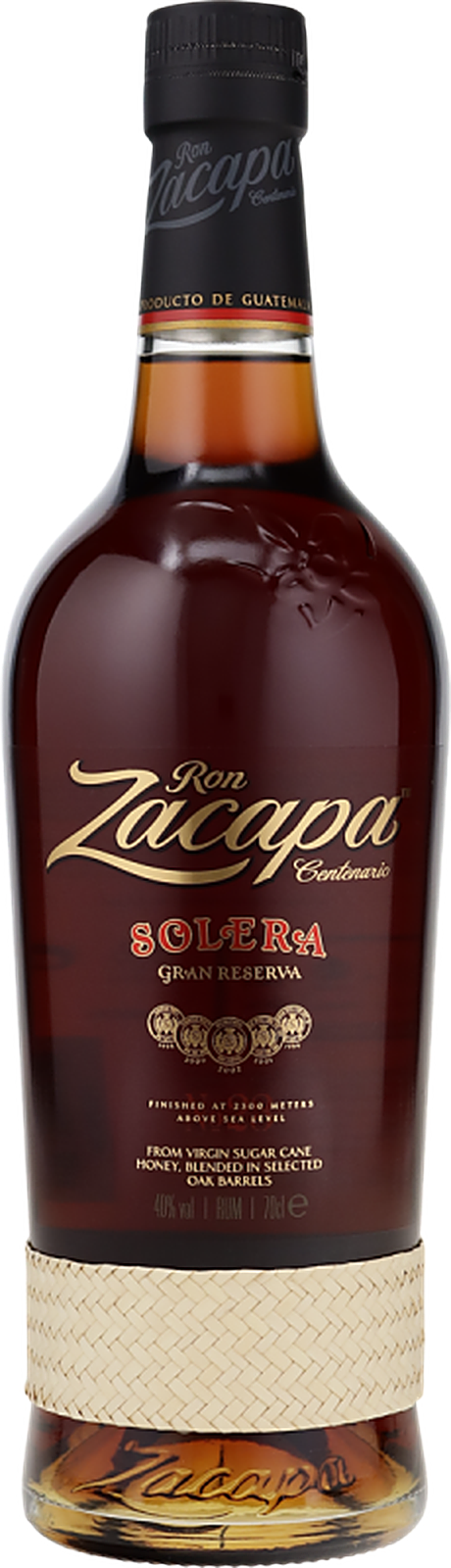
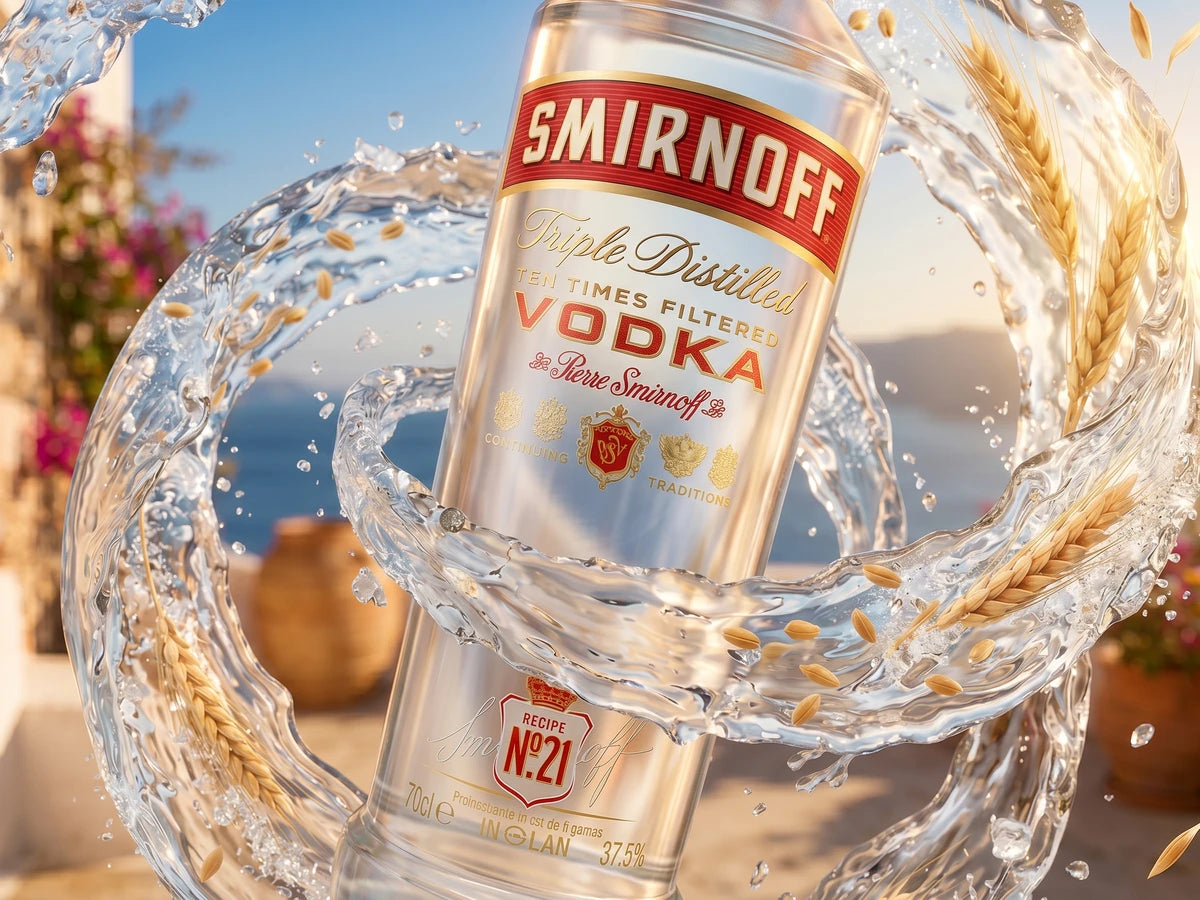
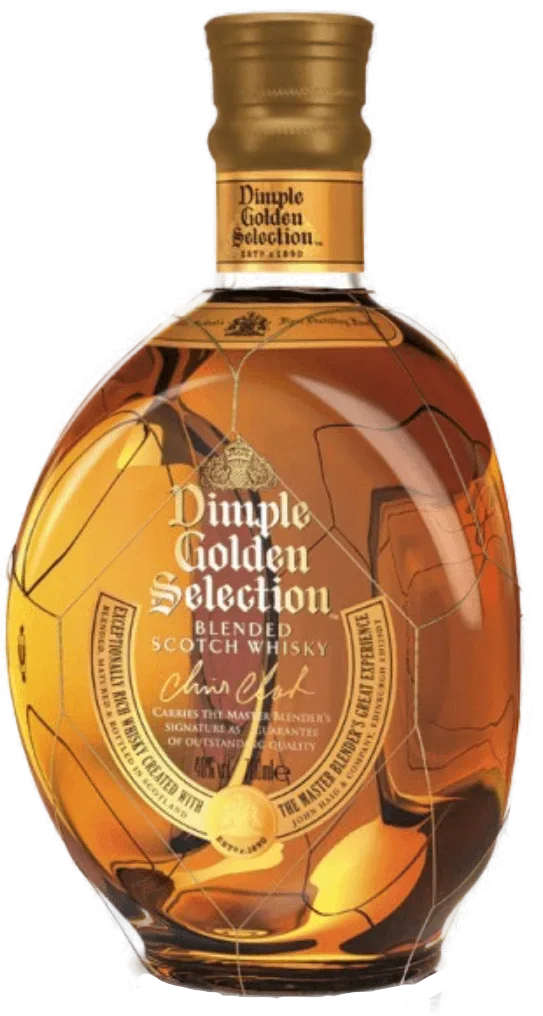
What distinguishes Diageo from the competition is the breadth and depth of its portfolio: Scotch Whisky in every style — from smoky-peaty to floral-light — with brands like Talisker, Lagavulin, or The Singleton; vodka from Smirnoff to Ketel One; gin with Tanqueray; rum with Captain Morgan; and liqueurs that have set standards in their category. Baileys Irish Cream is still considered the most successful new launch in the spirits industry to date. Ron Zacapa from Guatemala stands for the Solera method — maturation in staggered barrels that knows no single vintage, but gains complexity through time. Grand Marnier combines cognac with Caribbean bitter oranges to create a liqueur that is at home both neat and in pâtisserie. With Diageo Germany, you are not getting a randomly assembled assortment, but bottles, each of which has decades of production history behind it.