From state winery to Romania's figurehead
The history of the winery begins long before its re-founding: viticulture in Recaș is documented as far back as 1447 — a notary document from that year, which is now kept in the Banat Museum, confirms the first official mention of the estates. Over the centuries, the sites changed owners, were cultivated by Germans, Serbs, Austrians, and Hungarians, before communist nationalization marked a break in 1948. In 1998, three families took over the dilapidated state estate: Philip Cox, originally from Bristol, and his Romanian wife Elvira Cox, as well as the cellar team around Australian oenologist Hartley Smithers and Spanish winemaker Nora Iriate. What they found were 650 hectares of overgrown vines and a rusted facility. What they made of it is one of the most remarkable wine stories in Europe.
Limestone, solar power, and a cellar team with experience from five continents
The vineyards are located in the extreme west of Romania, in the Banat region, about 25 kilometers from Timișoara — where the Pannonian Basin meets the foothills of the Carpathians. The subsoil consists of limestone with deep red Terra Rossa soils; the climate is continental with hot, dry summers and cold winters. These conditions favor expressive, structured wines. All vineyards were replanted or fundamentally renovated after 1999 — a multi-year joint project of the Recaș team. Cultivation is sustainable: without herbicides, with minimized chemical use, and part of the area is in the process of converting to full organic farming. In the cellar, temperature-controlled stainless steel technology is used for gentle fermentation, in addition to a wastewater treatment plant that has been in operation since 2010 and makes winery wastewater reusable. Around 2,000 solar modules now cover half of the company's electricity needs.
The cellar team around Hartley Smithers and Nora Iriate brings together more than 50 harvests from the wine regions of this world. Their goal: to fully transfer the natural quality of every harvest into the glass — across vintages and at every price segment.
Fetească Neagră, Orange Wine, and the potential of Romanian grape varieties
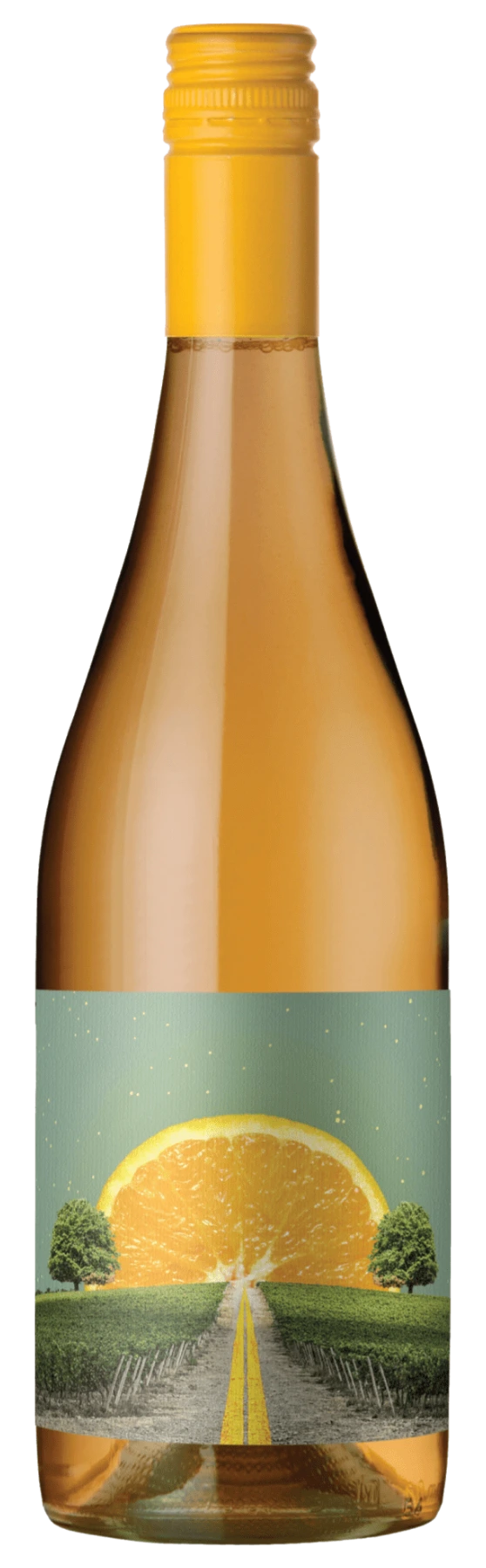
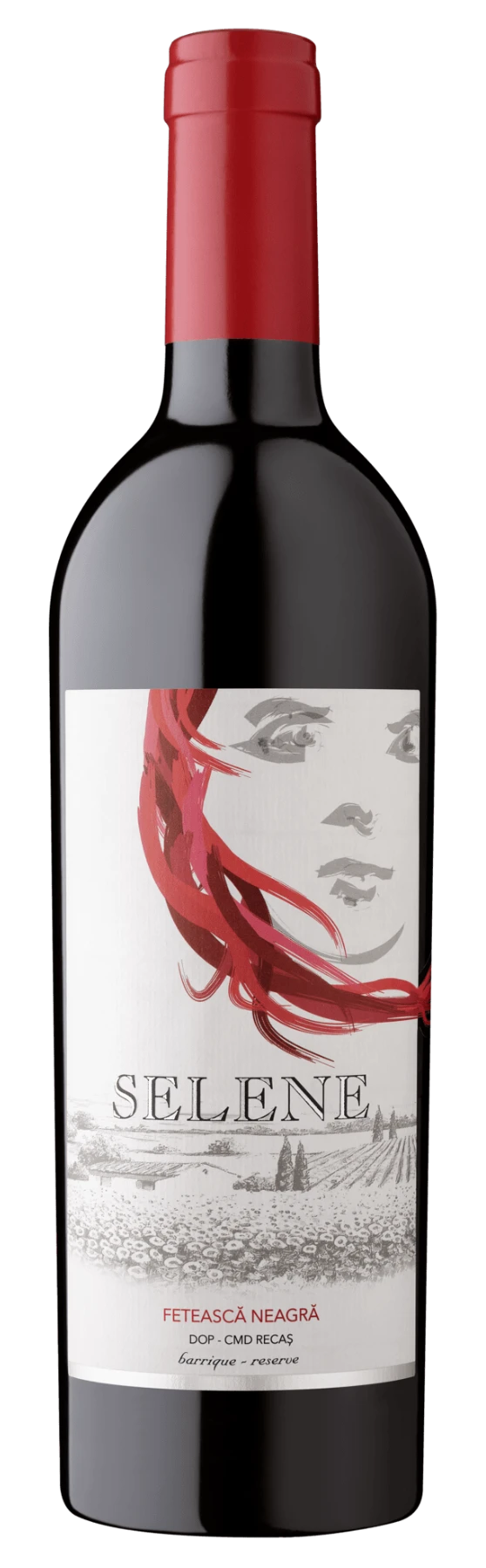
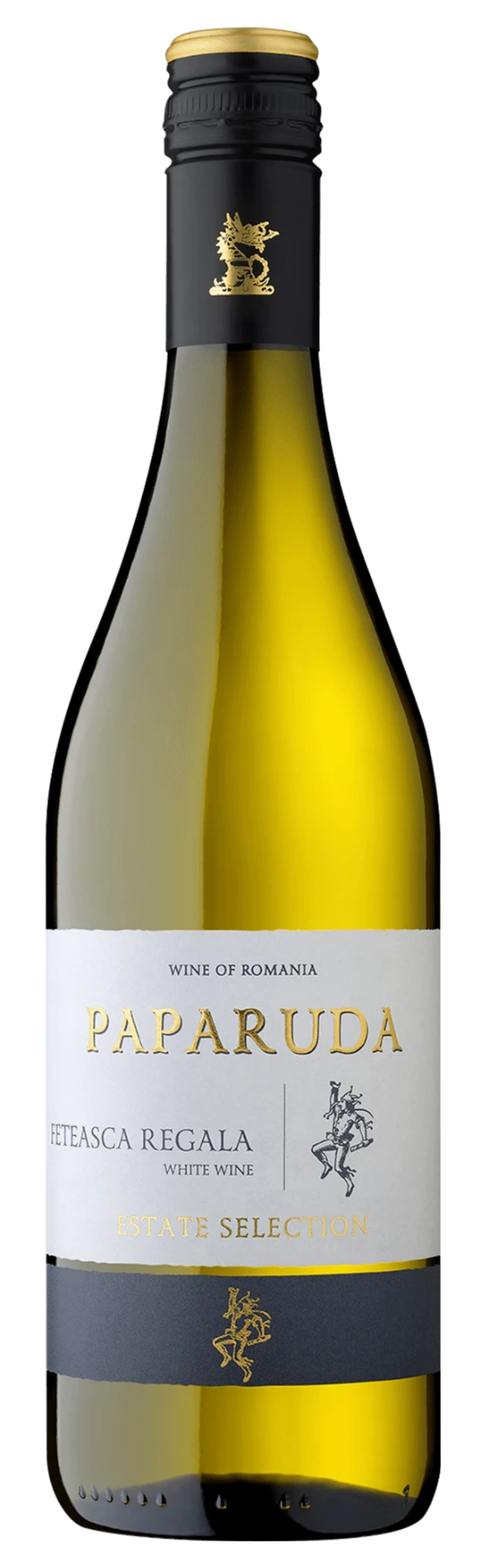
The range of Cramele Recaș spans the arc from international varieties such as Pinot Noir, Sauvignon Blanc, and Chardonnay to the indigenous grape varieties of Romania, which are increasingly taking center stage. Fetească Regală — one of the most important white national varieties — shows its floral, lively profile in the Paparuda line. Fetească Neagră, Romania's most important red native variety, delivers dark fruit with spicy depth in the Selene cuvée. And with the Solara Orange Wine, Recaș produces one of the best-selling natural wines in Eastern Europe: a white wine that is fermented on the skins, thereby developing tannin structure, dried fruit, and oxidation notes that go far beyond what conventional white wine shows. For the Romanian market as well as for 28 export markets worldwide, the same principle applies: wines that far exceed their price — with a clearly readable character of origin.