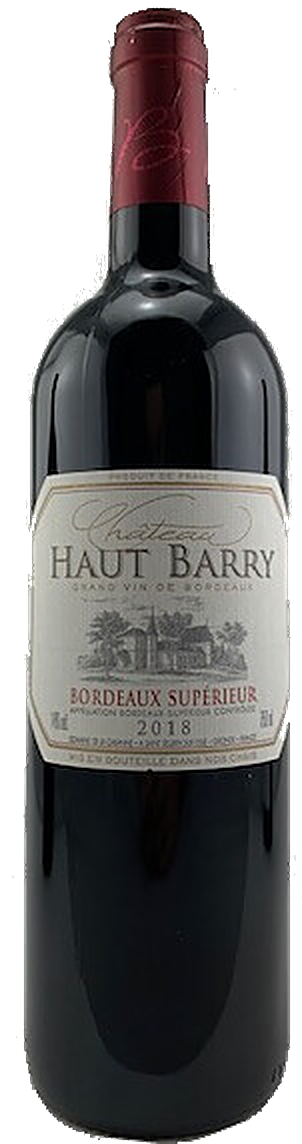
Bordeaux Supérieur from the heart of Libourne
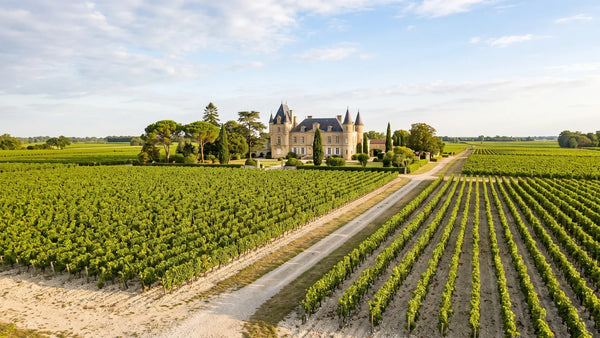
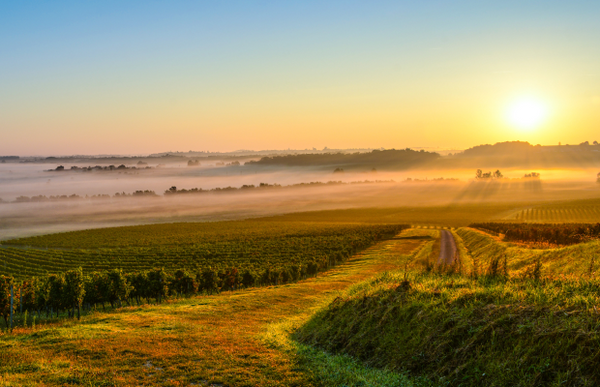
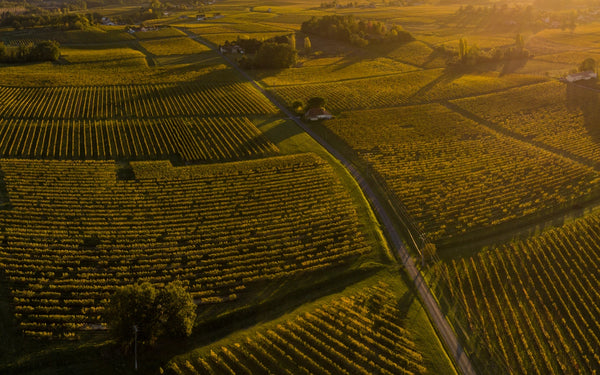
Château Haut-Barry is located in Libourne, one of the most traditional wine trading and producing regions in all of Bordeaux. The city at the confluence of the Isle and the Dordogne has been a hub of the Right Bank for centuries — and thus a neighbor to appellations like Pomerol and Saint-Émilion. This environment also shapes Haut-Barry: the wines carry the character of a landscape shaped by clay and limestone-dominated soils, as are typical for the terroirs around Libourne. The Atlantic climate ensures balanced ripening and keeps the acid structure lively.
The Bordeaux Supérieur status is not an automatic label, but a conscious decision: the appellation requires lower yields than the simple Bordeaux Rouge — specifically under 50 hectoliters per hectare. Château Haut-Barry accepts this requirement and works in the vineyard with the classic Guyot pruning method, which specifically directs the vine in yield and growth.
Craftsmanship in the cellar: varietal separation and controlled fermentation
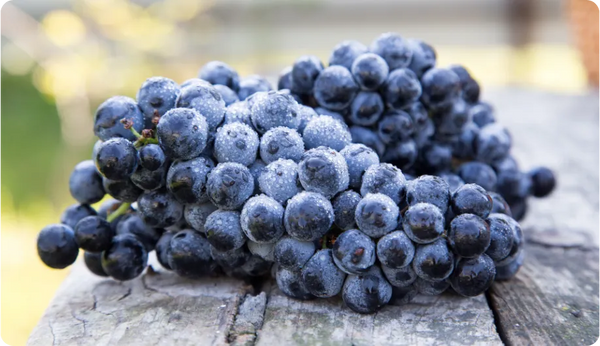
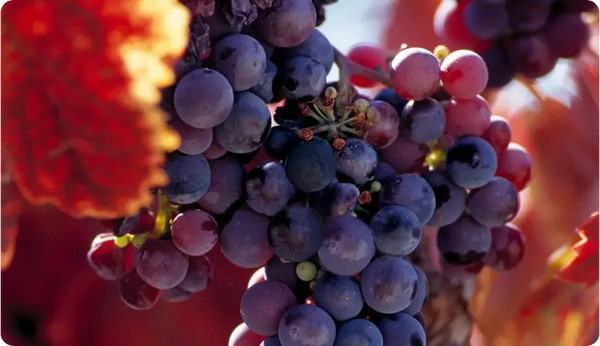
In the cellar, Haut-Barry follows an approach that is deeply rooted in Bordeaux: the individual grape varieties — Merlot as the main variety, Cabernet Sauvignon and Cabernet Franc as supplements — are vinified separately. Each grape variety undergoes fermentation in temperature-controlled cement tanks separately before the batches are assembled into the final wine after malolactic fermentation. This method gives the cellar master control over every component and allows for precise tuning of the cuvée — depending on the vintage and the ripeness of the grapes. Cement tanks are by no means outdated in Bordeaux; they regulate the temperature evenly and do not impart foreign aromas to the wine, which puts the fruit in the foreground.
Dark fruit, integrated tannin, clear Bordeaux line
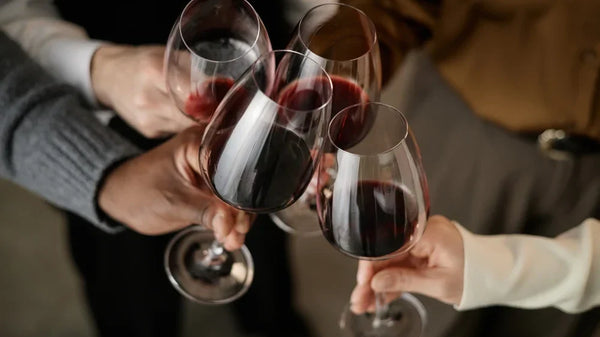
In the glass, the Château Haut-Barry Bordeaux Supérieur shows a bright Bordeaux red with garnet reflections. On the nose, a spicy bouquet of dark fruits opens up — cherries, berries, plums — with a delicate note of violets. On the palate, melt combines with structure: the tannin is noticeable but well-integrated and gives the wine backbone without harshness. The finish is aromatically dense and long. What has always accompanied the Bordelais goes well with Haut-Barry: roasted beef, leg of lamb with herbs of Provence, or a strong Comté. Serving temperature: 16–18 °C.