From Reims to the royal courts — and back
The house of Irroy is one of the oldest negociant houses in Champagne. Founded in 1820 in Reims, Ernest Irroy built the brand into a name that was known at European royal courts and in the Élysée Palace. Around 135 years later, in 1955, Champagne Taittinger acquired the house — including the Hôtel Particulier on Boulevard Lundy, which is still the address of the house today. Irroy then largely disappeared into the shadow of the large Taittinger brand, until the family decided to awaken the sleeping heritage and revive the label as an independent Maison.
What began as a trading house for sparkling wine goes back even further in its viticultural tradition: the roots of the cuvées lie in sites around the Château d'Irroy and the convent of Avenay, deep in the Val d'Or of the Montagne de Reims.
Taittinger cellar, own signature
The revival of Irroy is not a marketing project on paper — behind it are two concrete people with clearly defined roles. Maxime Andriveau leads the house as Président, Damien le Sueur as Directeur Général. Alexandre Ponnavoy, who has been working as cellar master at Taittinger since 2015 and develops the Irroy cuvées in the house's own caves, is responsible for winemaking. Ponnavoy comes from Burgundy, studied agronomy and plant physiology in Dijon, and gained experience with sparkling wines in California and South Africa before moving to the Station Œnotechnique de Champagne and finally coming to Reims.
The vineyards are located in several villages of the Montagne de Reims — including the Grand Cru sites of Verzy and Bouzy as well as the Premiers Crus of Mareuil-sur-Aÿ and Avenay Val d'Or. The vine rows are cultivated without herbicides and are worked mechanically to allow the grapes a clear terroir imprint.
Fruity, precise, low dosage
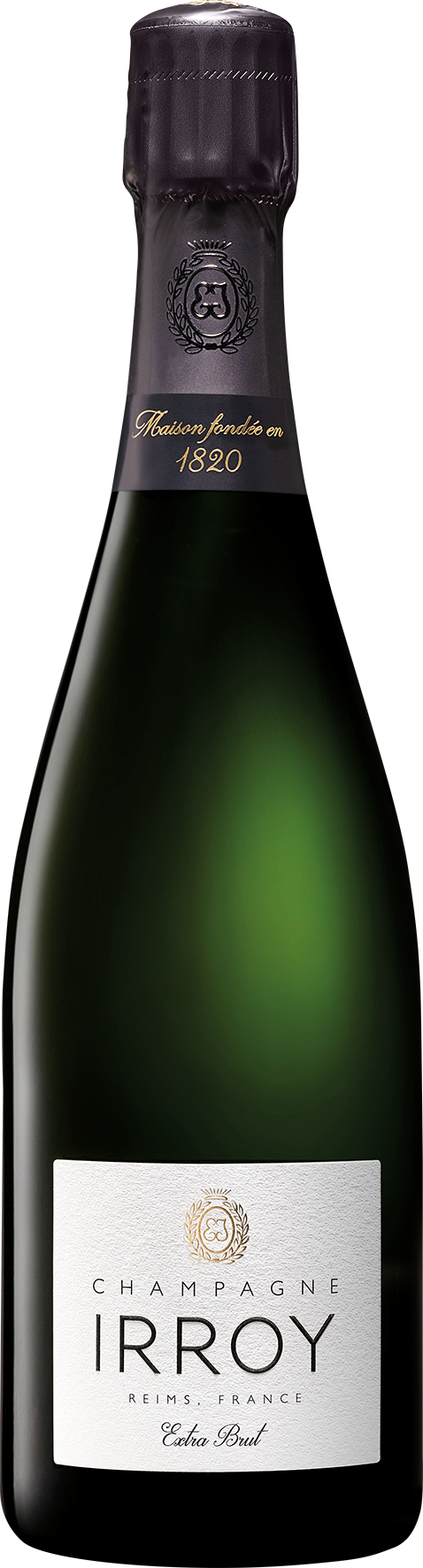
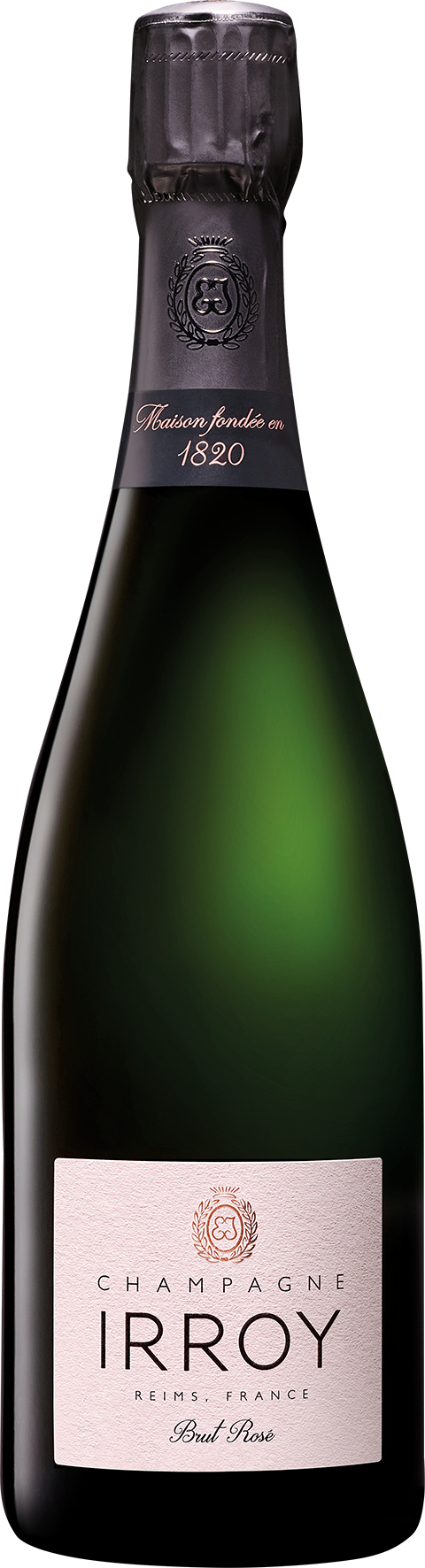
The style of Irroy is deliberately contemporary: lively, fruit-driven Champagnes with low dosage that stand out from the heavier, more heavily dosed styles of older houses. In the Extra Brut, the two Pinots — Noir and Meunier — combine with Chardonnay to form a pale gold that shows fresh white fruit notes, peach, plum, and hawthorn. The acid structure is taut without sharpness, the finish lemony-mineral. The Brut Rosé adds red fruit and structure to this line. Both cuvées are suitable as an aperitif, but also go well with light cuisine: oysters, scallops, ceviche, or goat cheese.
Gault & Millau has positively received the return of the house in its Champagne selection and describes Irroy as a brand with a fresh, modern appearance. The Hachette des Vins awarded the Extra Brut one star — as proof that there is real substance behind the revival and not just a well-known name.