From Verolanuova to the south: How Francesco Minini built a wine house
The history of Cantine Minini begins in 1920 in Verolanuova, a small municipality in the province of Brescia, south of Brescia. Francesco Minini, having just returned from the First World War, founded his first wine company there with little capital but a clear sense for quality. The Second World War destroyed much of it; after that, Francesco rebuilt the business from the ground up together with his sons Franco and Battista. From the early 1960s, the house regained a firm footing: the family acquired its own winery, restored the production facilities, and expanded the vineyards in order to control every step from the vineyard to the bottle themselves. Today, Mario Minini leads the company in the third generation — and has turned it into a wine house with partnerships and wineries in the most important wine-growing regions of Italy.
Control from the vineyard to the bottle — and a central logistics center
What distinguishes Cantine Minini from pure trading houses is the consistent vertical integration: the wines are vinified at the respective regional wineries and then bottled in Verolanuova — this keeps transport routes short and quality control is consistently in family hands. Mario Minini has built a central logistics center there specifically to keep freight routes between the production sites as efficient as possible. In the Apulian vineyards, where Primitivo and Negroamaro grow on clayey, heat-retaining soils, the focus is on healthy grapes from carefully selected sites in Salento.
Apulia's autochthonous strength: Primitivo, Negroamaro and international cuvées
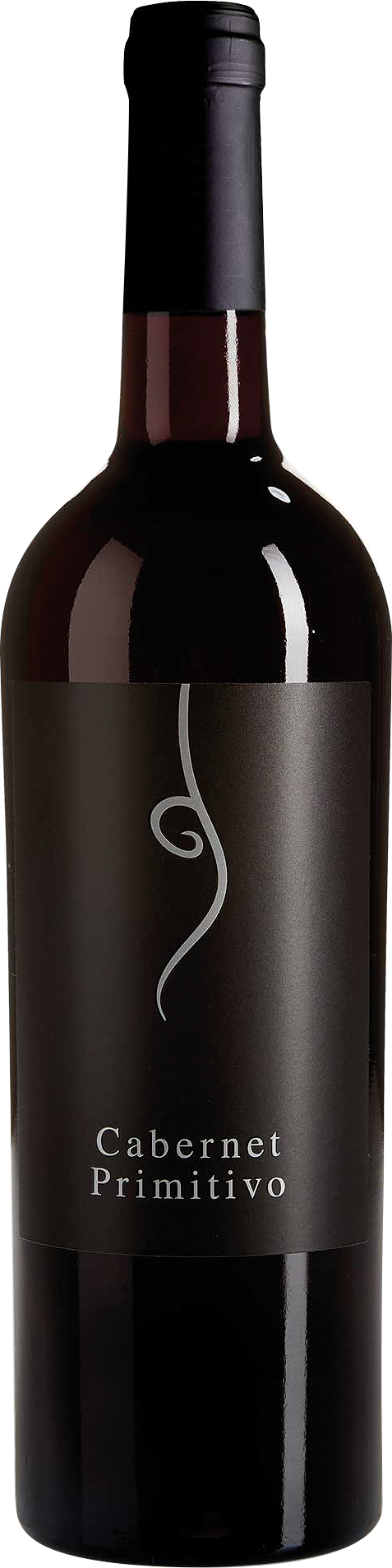
For Apulia, Cantine Minini focuses on autochthonous grape varieties. Primitivo — native to Salento — provides the basis for several lines: as a single-varietal wine, as an appassimento variant with grapes dried on the vine, or as a cuvée with Cabernet Sauvignon, the so-called Tardus Cataldo. This combination brings the velvety, dark-fruited depth of the Primitivo together with the herbal and structural notes of the Cabernet — blackberry, plum, black cherry on the nose, firm but well-integrated tannins on the palate. The Tardus line is exemplary of Minini's approach: region-typical grape varieties in a contemporary interpretation, without blurring the origin. Anyone looking for an entry into the characterful red wine south of Italy will find a direct, drinkable answer in Minini's Apulian wines to what Salento has to offer climatically and in terms of soil.