From Barcelona to Northwest Germany: How CALOW was born
The idea for CALOW did not come in a laboratory, but on a summer evening in Barcelona. Benno Orschulik, then an MBA student, was holding a drink that was far too sweet and thought: There must be another way. Back in Germany, he found a co-founder in Markus Diekmann who asked the same question. In 2020, the two — both raised in the Oldenburger Münsterland — founded CALOW GmbH based in Lohne, Lower Saxony. What began as an idea at the bar became a concrete product development project: a ready-to-drink wine aperitif that was supposed to be lighter, drier, and lower in calories than anything that had been on the shelf until then.
The path there was not straightforward. Orschulik initially started the project together with fellow students from several countries; Corona and the resulting circumstances led to him finally continuing it as a duo with Diekmann. The operational headquarters is Berlin, the roots are in South Oldenburg — a field of tension that shapes the brand: down-to-earth origin, urban attitude.
Fruit wine from the Palatinate, natural flavors, short distances
CALOW produces its aperitifs in a partner winery in the Palatinate or Rheinhessen — one of the central German wine regions. Bottling and processing take place there according to their own standards with artisanal care. The base is fruit wine, combined with natural flavors and fine-pearl carbon dioxide. No added sugar, no artificial sweeteners, no coloring — these are the cornerstones that the company does not compromise on. All products are vegan and gluten-free.
Production in Germany keeps supply chains short. The claim is: conscious enjoyment should not be a compromise — neither in taste nor in effort.
Dry, fruity, never too sweet: the CALOW range
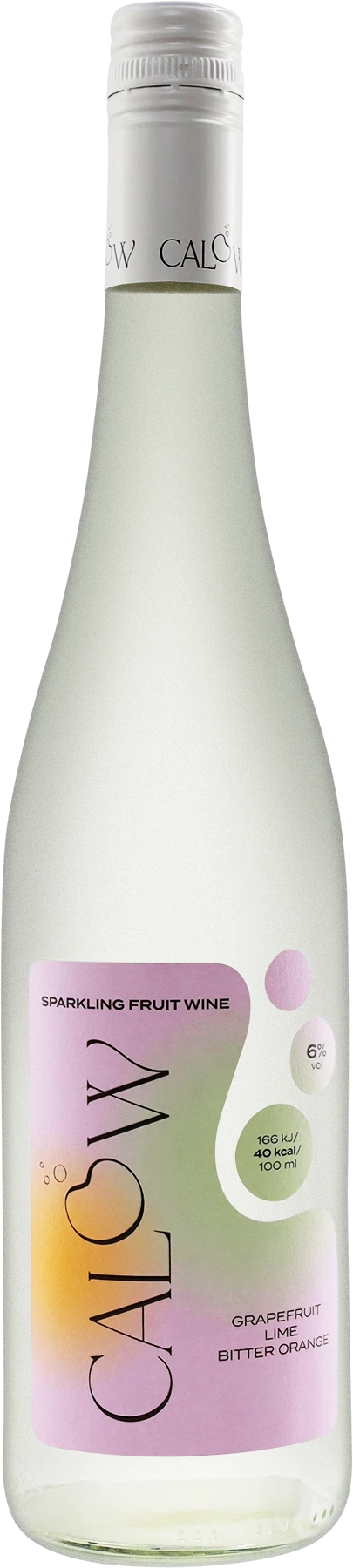
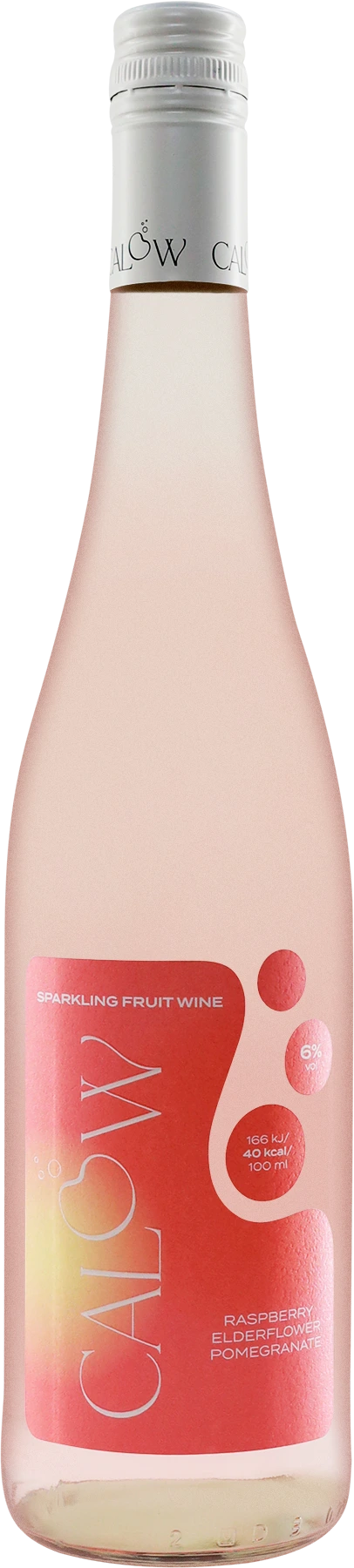
CALOW Spritz comes ready-mixed in the bottle, served at 6–8 °C — pure over ice or with a splash of mineral water. With around 43 kcal per 100 ml and up to 70% fewer calories than classic aperitifs, the range is aimed at everyone looking for a third option between a glass of wine and a non-alcoholic drink. Falstaff has confirmed this positioning with up to 93 points — the best score in the Ready-to-Drink Spritz category. The Grapefruit-Lime was described as dry and straightforward, the Raspberry-Elderberry variant by intense fruit and fine acidity.
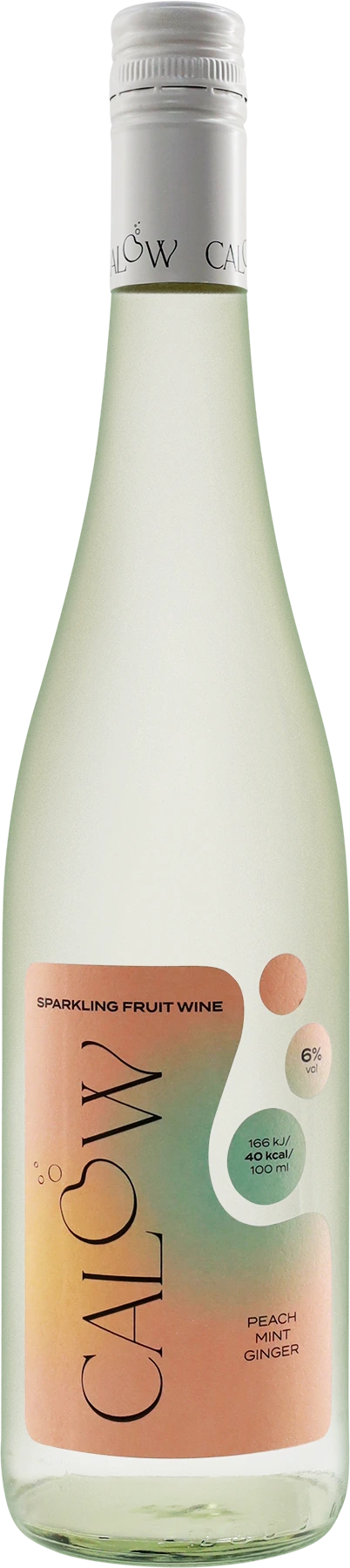
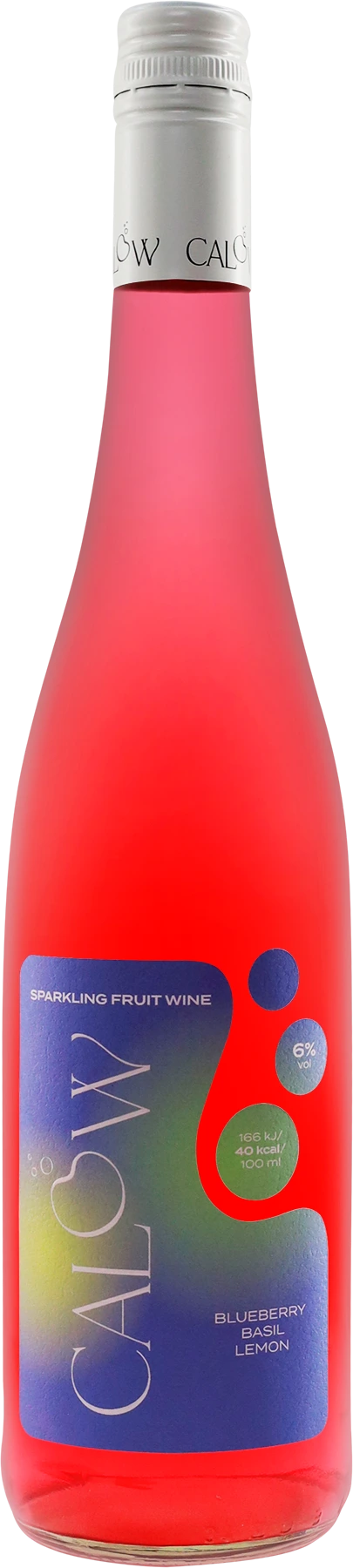
The current range includes four varieties: Blueberry-Basil, Grapefruit-Lime, Raspberry-Elderberry, and Peach-Ginger. Each variety follows the same basic philosophy — fruity, dry on the finish, without the heaviness of classic aperitifs. Anyone who wants to test all four variants should reach for the Sample pack.