From a Navarre cooperative to a leading export winery
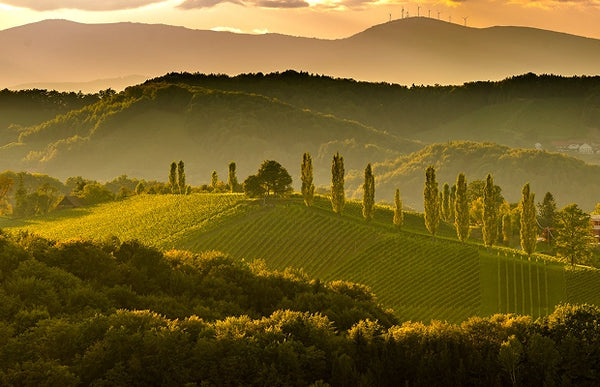
Bodegas Agronavarra — known under the brand name Príncipe de Viana — was founded in 1983 in Murchante, in the southern Ribera Baja area of Navarre, where the Ebro tributary Aragón separates the vineyards from the foothills of the Pyrenees. It originated as a local cooperative that was placed on a professional commercial footing with the help of the Caja Rural de Navarra, the region's agricultural credit institution. The name chosen is deliberately loaded: the title Príncipe de Viana has existed since 1423 and has been awarded to the heirs to the throne of Navarre — and later Spain — ever since. The winery sees itself as the guardian of this heritage and its values.
From the very beginning, the people in Murchante thought beyond the domestic market. The early decision to bring international oenologists on board and to produce fruit-forward, accessible wines for export was unusual for a Spanish cooperative in the 1980s. The result: Príncipe de Viana established itself as one of Navarre's leading wine exporters and grew into the flagship of a group that now includes other estates in Rioja and Castile.
Sustainability as an operating principle, not a marketing promise
Bodegas Agronavarra manages around 400 hectares of vineyards on calcareous-clay soils under a continental climate — hot, dry summers, cold winters, low rainfall. These conditions demand a respectful approach to what is available. The winery has developed a consistent working philosophy from this: drip irrigation instead of surface irrigation, confusion methods against pest infestation instead of synthetic pesticides, organic fertilization, active biodiversity management. The result of this attitude is an official certification as a Sustainable Winery for Climate Protection — one of the stricter sustainability awards in Spanish viticulture.
In the cellar, oenologist Isabel López works with processes that prioritize freshness and aroma integrity. The harvest takes place exclusively at night to prevent oxidation caused by heat. An in-house process specifically freezes the berry skins without damaging the pulp — this gently releases color, aroma, and structural substances from the skins. Research and development, also with a view to climate change and its effects on vine physiology, are an integral part of everyday life in Murchante.
Garnacha, Tempranillo and a commitment to the region
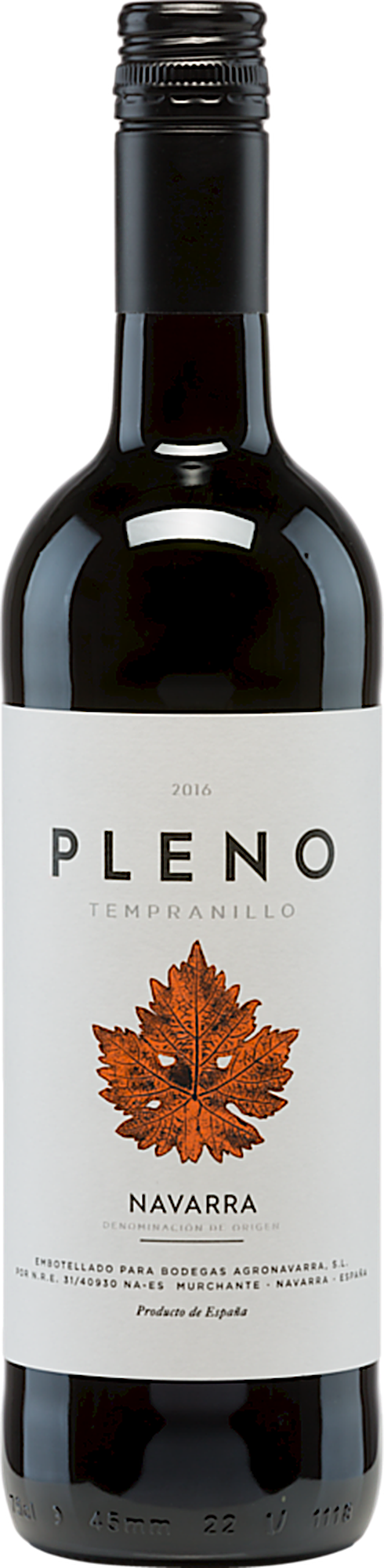
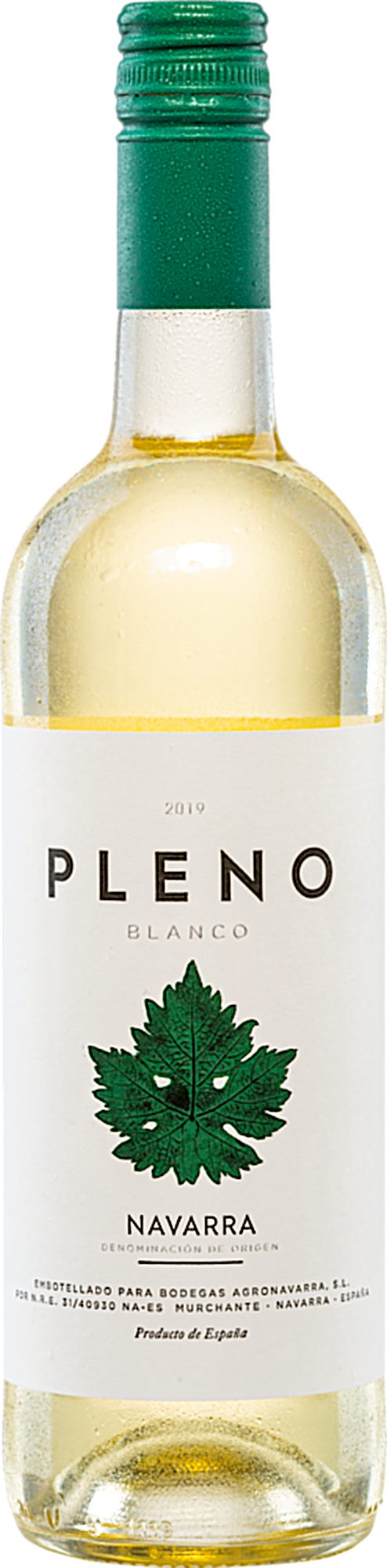
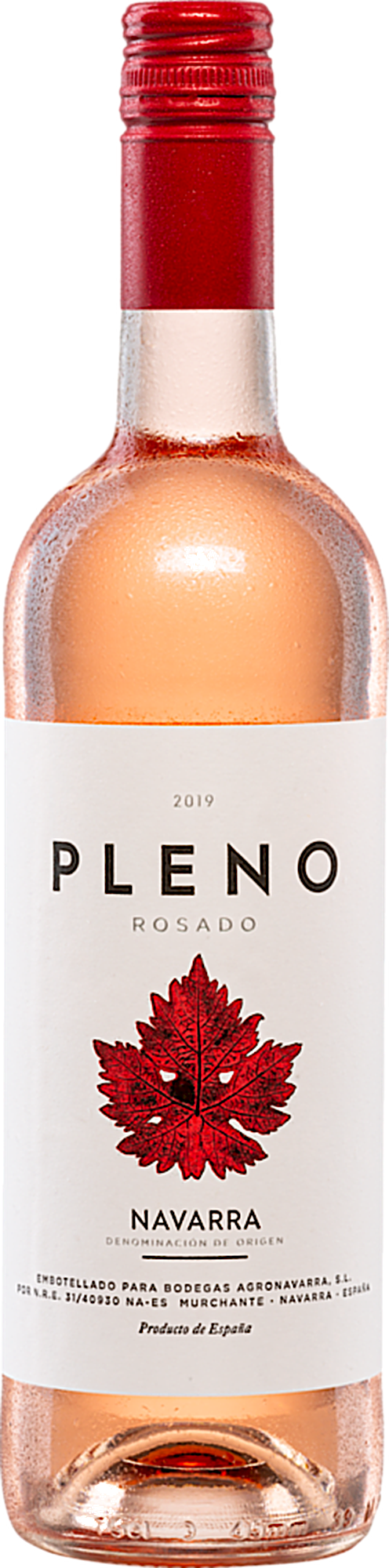
The Bodegas Agronavarra range reflects the strengths of the D.O. Navarra: fresh, fruit-clear rosados made from Garnacha, structured Tempranillos with red berry fruit and a spicy finish, as well as white wines made from Chardonnay and international varieties that benefit from the continental climate and the calcareous soils. The Pleno line — Blanco, Rosado, and Tempranillo — stands for accessible everyday wines that are cleanly crafted and bring the aromatics of the grape variety directly into the glass. Alongside these are more complex Reserva and Crianza bottlings, where barrel aging in American and French oak transforms the fruit of the Tempranillo, Cabernet Sauvignon, and Merlot into structure. What all the wines have in common: they are clear in their origin without overplaying the region.