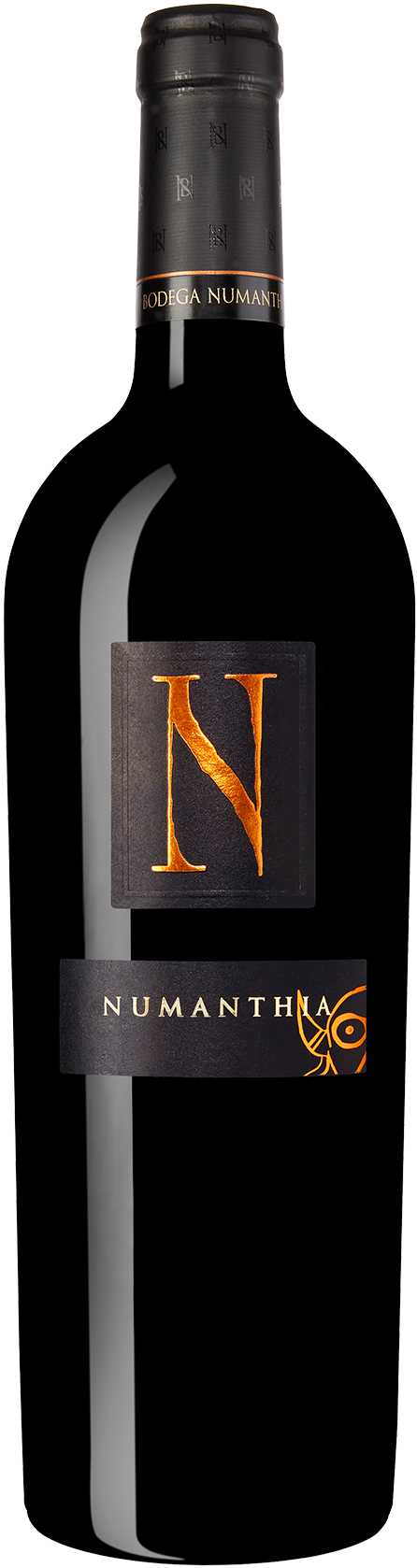
From the Eguren family to an LVMH Maison: The rise of a Toro pioneer brand
Bodega Numanthia was founded in 1998 by the Eguren brothers – a Rioja winemaking family from the house of Sierra Cantabria who recognized the slumbering potential of the DO Toro before the rest of the wine world took notice. Their goal: artisanal wines from ancient Tinta de Toro vines that had survived phylloxera, an extreme continental climate, and decades of neglect. The breakthrough came with the 2004 vintage: Termanthia received 100 Parker points – one of the first Spanish wines ever to achieve this rating. In 2008, Moët Hennessy / LVMH acquired the winery along with all its vineyards, thereby also obtaining the extraordinary 4.8-hectare Teso de los Carriles plot with its up to 140-year-old pre-phylloxera vines. The stylistic course remained unchanged under the new ownership; since 2018, Cellar Master Jesús Jiménez has continued the development, and since the end of 2023, Estate Director Julio Rodriguez Buren has complemented the team with international experience from Napa Valley, France, and Argentina.
Ungrafted ancient vines: Vineyard and cellar
The 83-hectare estate is located in Valdefinjas, Castilla y León, at an average altitude of 700 meters. The vineyards are not a single contiguous estate, but a mosaic of small plots with sandy and rocky soils spread across the entire appellation. Not a drop of irrigation: the vines are planted at around 1,100 vines per hectare and must drive their roots deep into the soil to survive the extreme continental climate. 40 percent of the vines are over 70 years old; individual vines in the Teso de los Carriles are considered to be up to 200 years old – ungrafted and thus genetically directly connected to the vineyard before the phylloxera catastrophe. Yields are between 1,000 and 3,000 kilograms per hectare, which leads to extraordinary fruit concentration. The vineyard and cellar are fully organically certified; Numanthia also participates in the international research project IBERVITIS for the polyclonal selection of old Tempranillo biotypes. In the cellar, the team relies on infusion instead of extraction: cool maceration, fermentation in concrete containers, followed by maturation in French oak barrels, terracotta amphorae, or concrete tanks – depending on the wine and vintage.
Three wines, one grape variety: Tinta de Toro in all its forms
The range consists exclusively of Tinta de Toro – the local Tempranillo variant that has developed its own identity over the centuries: thicker berry skins, deeper color, pronounced tannin structure, yet with an acidity that seems unusually fresh for the hot Toro climate. Termes is the most accessible cuvée: lively, dark-fruited, designed for early enjoyment. The Numanthia comes from vines that are on average 70 to 80 years old, matures for 18 months in French oak (60 percent new), and then for three years in the bottle – the result is a structured red wine with dark fruit and integrated tannins. The pinnacle is the Termanthia from the Teso de los Carriles plot: after cool maceration and fermentation in concrete tanks, it matures for 20 months in 100 percent new French oak and another five years in the bottle. Recommendation: 14–16 °C, served with Iberian lamb rack, wild boar leg, or strong Manchego with quince jelly.