From Osaka to the world: How Shinjiro Torii invented Japanese whisky
1899 Shinjiro Torii opened his first shop in Osaka, Torii Shoten, to bring Western spirits to Japan. What began as an import business became the founding story of Japanese whisky. Torii was not a merchant who passed on what already existed — he was a tinkerer who wanted to rethink Western models with a Japanese palate and Japanese raw materials. In 1923, he broke ground for Japan's first malt whisky distillery on the outskirts of Kyoto, in Yamazaki. He chose the location because of the exceptional water quality and a microclimate reminiscent of the Scottish Highlands. Since then, three generations of the Torii family have led the fortunes of the house as Master Blenders — from Shinjiro to his son Keizo Saji to the current Shingo Torii.
In 2014, the acquisition of the American spirits group Beam by Suntory Holdings for around 16 billion US dollars created the global parent company Beam Suntory — now known as Suntory Global Spirits. This brought together two craft traditions: the more than 200-year-old bourbon history from Kentucky and the over 100-year-old Japanese distillation craft from Osaka. The European business is managed from Glasgow, under the umbrella of Beam Suntory UK.
Monozukuri, Wa, Omotenashi: Three principles that shape every bottle
The self-image of the house of Suntory can be condensed into three Japanese terms: Wa (harmony), Monozukuri (craftsmanship), and Omotenashi (hospitality). Monozukuri is more than a quality standard — it is an attitude that insists on continuously improving systems and processes rather than merely repeating procedures. In practice, this means: careful selection of ingredients, traditional techniques from sake brewing that were newly developed for whisky production, and the patient choice of aging barrels. Water is a central element here — Suntory taps exceptionally pure water at all three distillery locations, which is the basis for the characteristic soft style of the spirits. Japan's distinct seasons, with strong temperature fluctuations, accelerate the aging process naturally and give the distillates a depth that industrial processes cannot create.
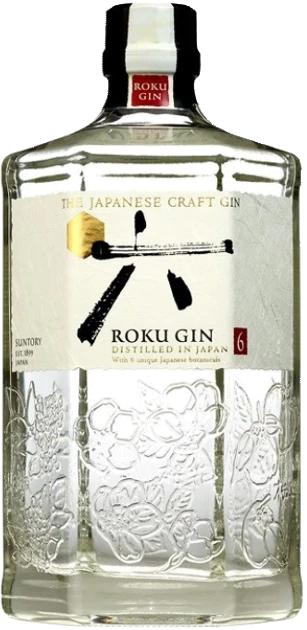
The gin from the house of Suntory also follows this principle: Roku — the Japanese word for "six" — is distilled from six Japanese botanicals, including sakura flower, sakura leaf, yuzu peel, sencha tea, gyokuro tea, and sanshō pepper. Each ingredient is harvested at the peak of its respective season and distilled separately before the components are blended into the finished gin.
Yamazaki, Hibiki, Roku: A range that consistently spells out Japanese style
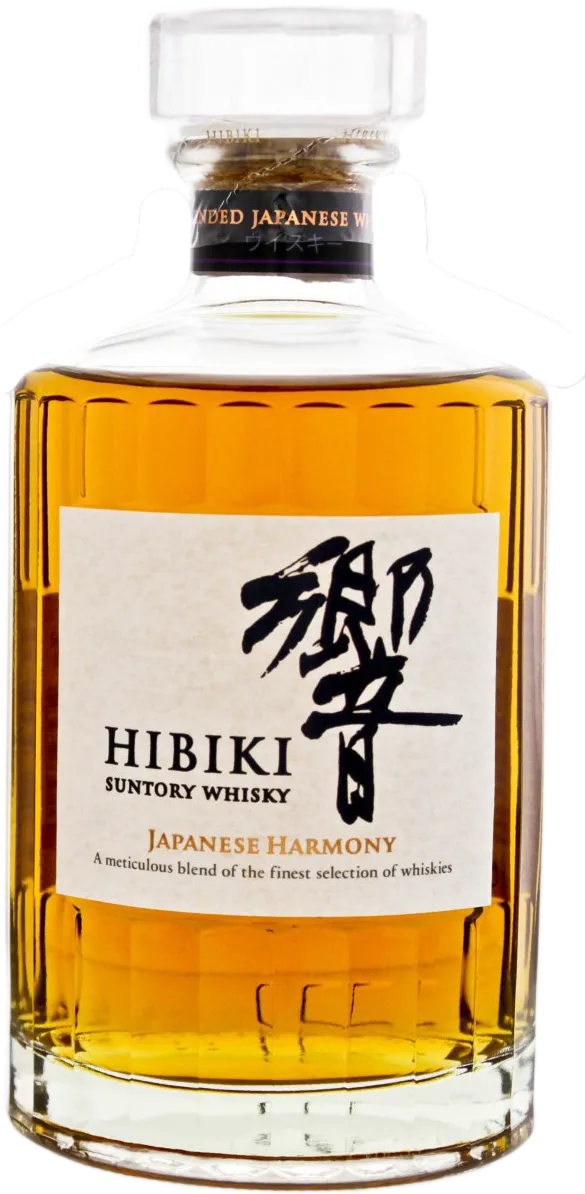
The range of the house of Suntory follows a clear internal logic: depth through origin, balance through craftsmanship. The Yamazaki 12 Year Old is considered the pioneer of Japanese single malt — in 2003, it was the first Japanese whisky to receive a gold medal at the International Spirits Challenge in London, a moment that permanently turned the whisky world's gaze toward Japan. The Hibiki Japanese Harmony is a blend of malt and grain whiskies from several vintages, which gives the Japanese idea of harmony (Wa) a correspondence in the glass: soft, multi-layered, without sharp edges. Finally, Roku Gin transfers the same philosophy to the gin craft — precision in detail, recognizable Japanese character, without simply copying Western gin conventions. Those who delve into this range will find spirits that reward patience: when tasting, when pairing with food, and when understanding what craftsmanship means when it is passed down through generations.