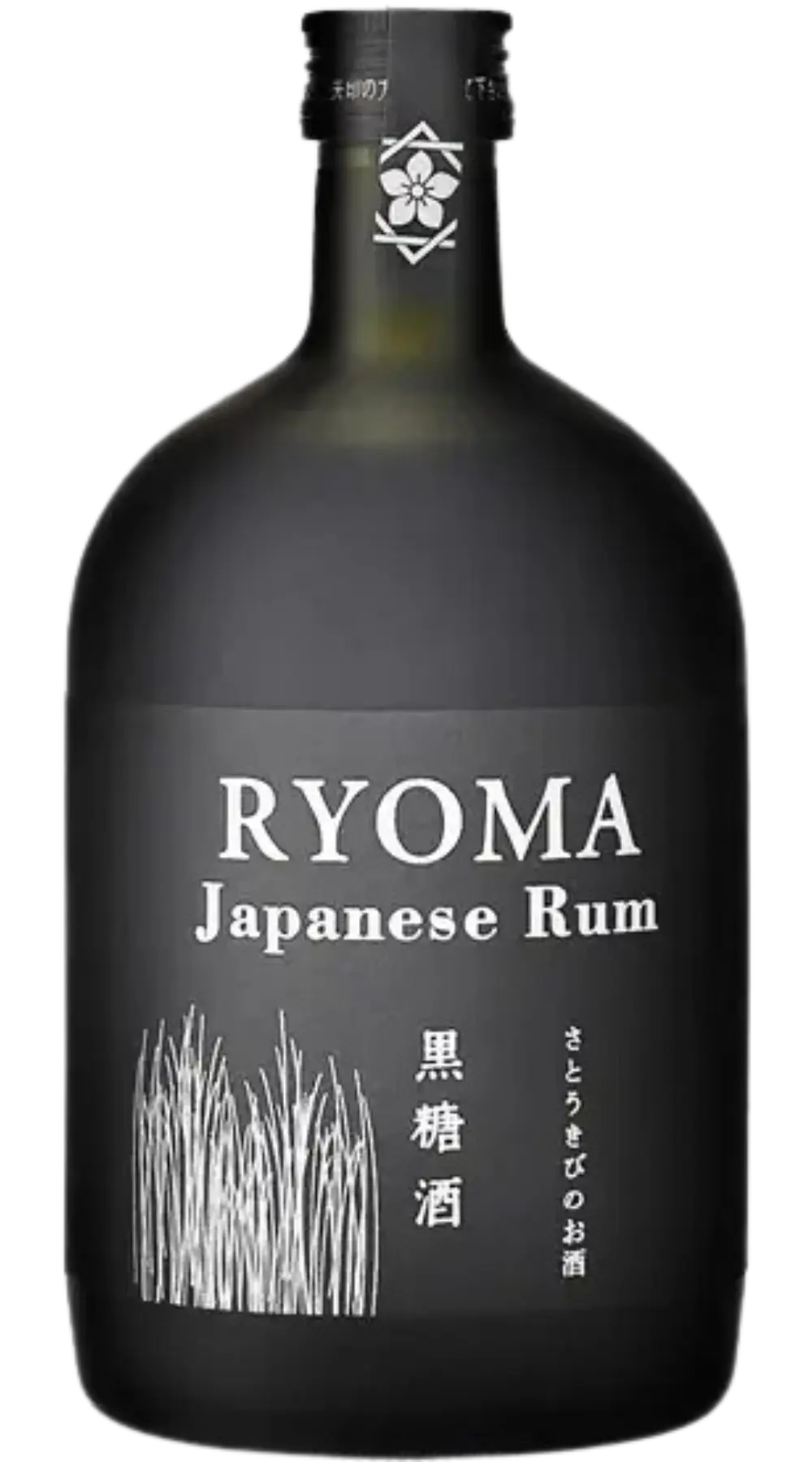
Sugar cane from Shikoku — how Kikusui invented Japanese rum
Behind the name Ryoma is the Kikusui Distillery in the village of Kuroshio, Kōchi Prefecture, in the south of the island of Shikoku. The region is known in Japan for one thing: sugar cane. Kuroshio is considered the oldest sugar cane cultivation site in the country, and at the beginning of the 20th century, it was even the most important producer of all. From this long agricultural tradition, Kikusui decided to develop its own distillate — not whisky, not shochu, but rum. The name Ryoma is a conscious bow to Sakamoto Ryoma, a respected samurai and reformer of the 19th century who was born in Kōchi. Regional pride and craftsmanship go hand in hand here from the very beginning.
The subtropical climate of the Kōchi coast with abundant rainfall and intense sunlight creates optimal conditions for sugar cane cultivation. The distillery grows its own raw material and thus controls the entire process from planting to bottling.
From sugar cane to barrel — a process between tradition and independence
The production of Ryoma rum begins with freshly pressed sugar cane juice. Part of the juice is also boiled down over several days until a concentrated sugar cane honey concentrate is created — an unusual intermediate stage that significantly shapes the aroma profile. For fermentation, Kikusui uses yeasts that were originally bred for sake fermentation. This decision gives the distillate a floral orientation already in fermentation, which is not known from Caribbean rums.
Distillation takes place in a stainless steel pot still — a conscious material decision that binds the aromatic compounds of the sugar cane less strongly than copper vessels and thus preserves more of the raw material in the distillate. Maturation then takes place in barrels made of American or French white oak. The purity law is absolute: exclusively local raw materials, no external additives, bottling on site.
Floral depth instead of Caribbean sweetness — what Ryoma shows in the glass
Ryoma clearly carries the signature of its place of origin into the glass. On the nose, white flowers, yuzu zest, and a hint of nougat appear — aromas that are more reminiscent of an elegant sake or a fruit brandy than a classic rum. On the palate, coconut milk, ginger, apricot, and a silky vanilla line follow, which comes from the oak aging without dominating. The finish is fresh, with delicate citrus notes and a slight bitterness from sugar cane molasses.
The result is a rum for all those who are looking for spirits beyond beaten paths. Neat at room temperature or with a few ice cubes, it unfolds its aroma profile best — as a highball with tonic or soda water, it works just as convincingly. Those who expect classic Caribbean rums will be surprised; those who bring openness will find a distillate with an unmistakable character.