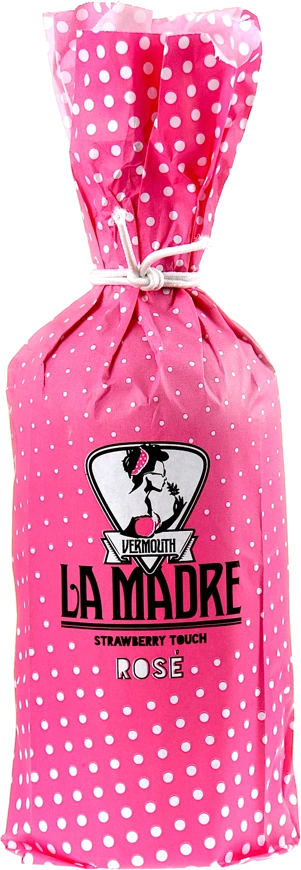
From Batea to the world: a vermouth brand with attitude
La Madre comes from Batea, a small town in the heart of Terra Alta — that barren, wind-swept wine landscape southwest of Tarragona that hardly anyone finds on the map until they encounter it in their glass. Behind the brand is a small, family-run company that does not inherit vermouth, but reinvents it. The impetus was a simple observation: during visits to established bodegas, the founders encountered the same pattern everywhere — the same recipe for generations, exclusively red vermouth, no interest in rosé, dry, or reserve. La Madre opted for the counter-design.
The name says it all: La Madre — the mother — refers in the house to both the brand and the core of production, the aromatic base essence from which every bottle is created. This connection of name, philosophy, and craft is no coincidence, but the brand's central identifying feature.
Amphora, chestnut wood, oak: the craft behind the essence
La Madre works with 32 carefully selected botanicals, 22 of which come from the region itself — including artemisia, lavender, and rosemary, which are native to Terra Alta. The maceration of the herbs and spices takes place in clay amphorae, a process that favors slow extraction and temperature consistency. This process creates La Esencia, the mother solution, which then rests for several months in wooden barrels before being assembled with carefully selected wines from the region — White Grenache and Macabeo.
With the Premium, the Reserva line, production goes a step further: 35 days of maceration in ceramic amphorae, six months of aging in chestnut barrels, and finally four more months of rest in oak barrels. The result is a significantly denser structure with balsamic herbal notes and well-integrated wood spice — not a quickly turned-out product.
Rojo, Blanco, Dry, Rosé, Premium: a collection without blinders
What distinguishes La Madre from many traditional houses in the market is the breadth of the range. While red vermouth dominates the entire program elsewhere, the offer from Batea includes five independent styles. The Rojo shows citrus peel, black fruit, and cinnamon notes, with a cardamom bitter on the finish. The Blanco works with green apple and a fresh licorice note, the Dry relies on tart-dry austerity. The Rosé is fruitier and aromatically more accessible — intended also for an audience that has previously avoided vermouth. And the Premium is aimed at everyone who understands vermouth as a serious glass: complex, wine-forward, with a long finish. All variants are served cold, with ice and orange peel — or as a base for classic aperitif cocktails.