

chablis · France
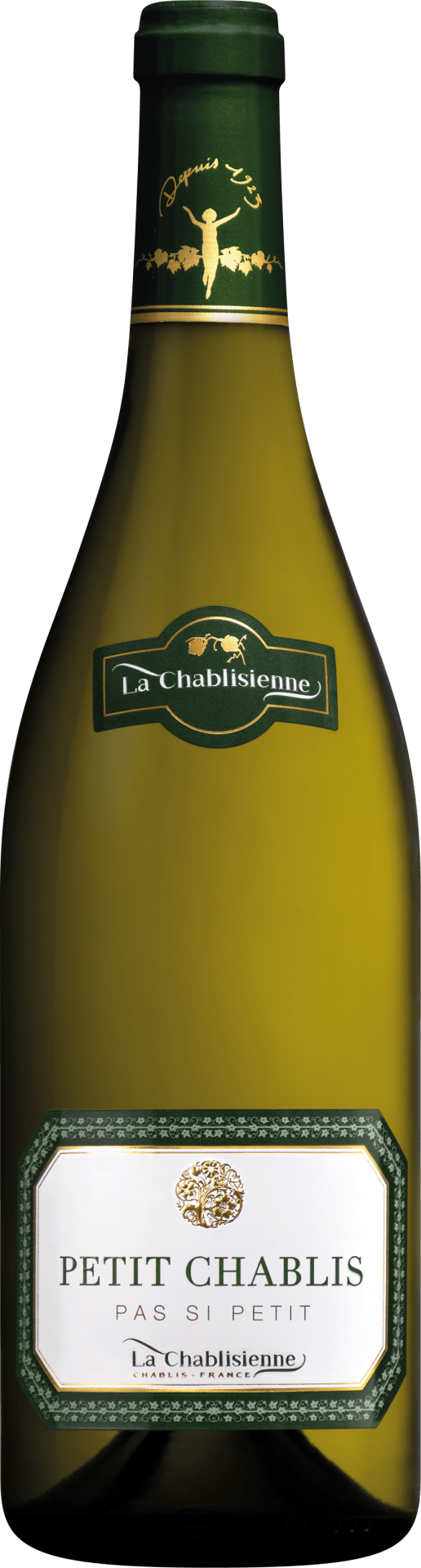
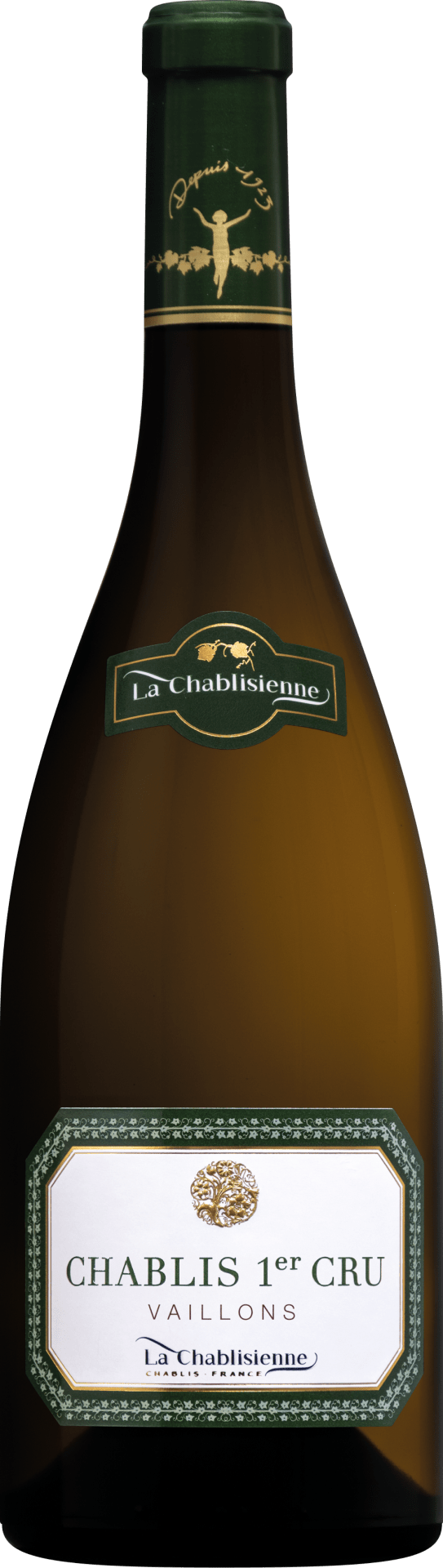
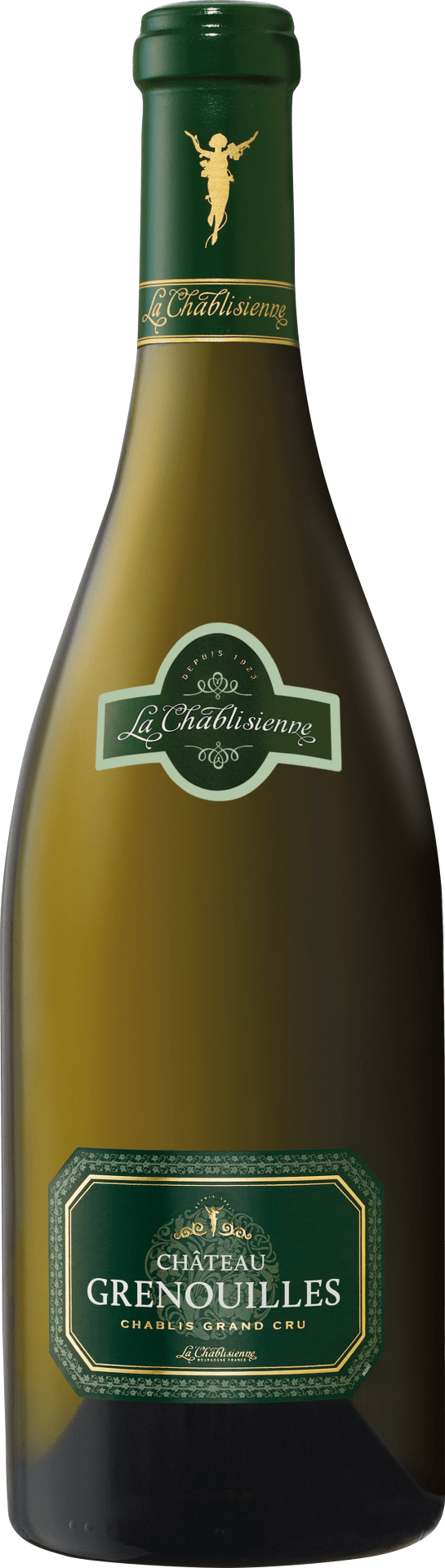
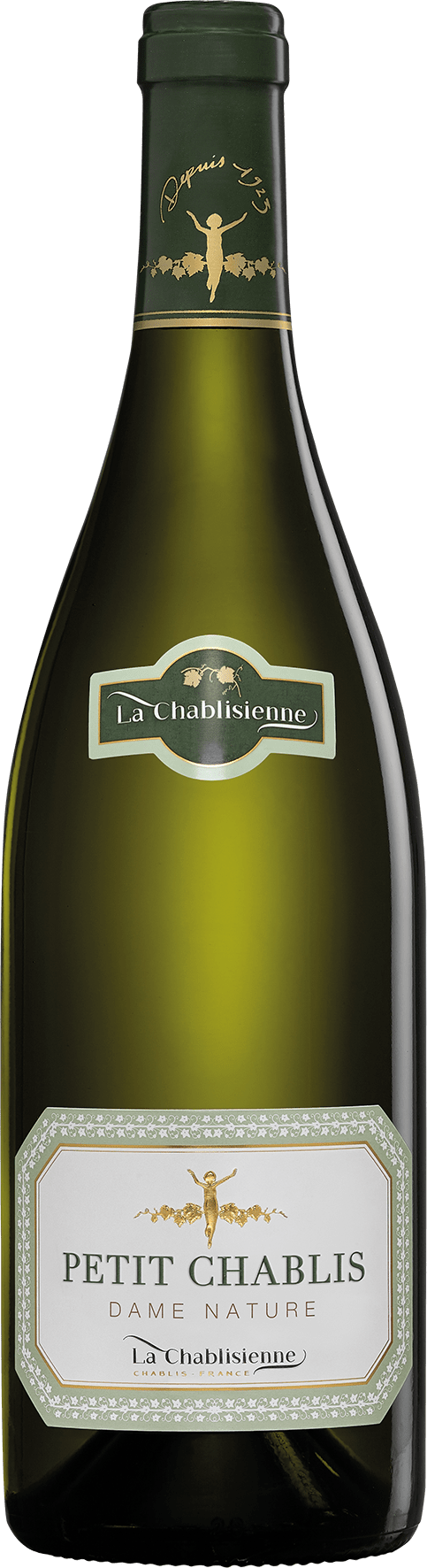
La Chablisienne
Read more Read less
In 1923, 250 winegrowing families joined forces. This led to the creation of La Chablisienne , the most important winegrowers' cooperative in the Chablis region.
Today, the members cultivate over 1200 hectares of vineyards – about a quarter of the entire Chablis region. The only star here is Chardonnay .
The wines are crisp, mineral, and taste of citrus and white blossoms. A piece of living winemaking history that you simply must taste.

Filters
10 products

Decanter World Wine Awards 2024 - Gold
Awarded by Decanter


International Wine Challenge 2023
Awarded by International Wine Challenge
International Wine Challenge 2024
Awarded by International Wine Challenge
About La Chablisienne
Born out of necessity: Chablis winemakers join forces in 1923
The impetus for the founding came from a crisis. Phylloxera had devastated the vineyards of Chablis in the late 19th century, the First World War left economic exhaustion in its wake, and competition from cheap Languedoc wine pushed prices down further. On May 1, 1923, the first 180 winemaker families joined forces — under the leadership of Abbé Balitrand, a clergyman who brought the cooperative idea to the region. Thus, the Société coopérative La Chablisienne was born, the first winemaker cooperative of the appellation ever. A second structure, the Cave Chablisienne, was added in 1928; both merged in 1947 to form today's Cave Coopérative La Chablisienne. What began as an alliance of convenience against economic collapse is today by far the largest wine producer in the region: around 270 winemaker families jointly cultivate about 1,250 hectares — around a quarter of the entire Chablis AOC.
Must delivery instead of finished wine: a decision with long-term impact
Until the mid-1950s, members delivered finished wine to the cooperative, which then assembled cuvées and sold them mainly to wholesalers. The break with this practice was a key moment: La Chablisienne decided to accept only must — i.e., unfermented grape juice — in the future. This meant that vinification, aging, and bottling were entirely in their own hands. For a cooperative of this size, this is still unusual today and explains why the entire assortment appears so stylistically coherent. The cellar master decides, not the democratic majority principle of the members: every winemaker has a vote in cooperative matters — but the oenologist team determines vinification, aging time, and bottling time. Long yeast aging, work with oak contact for the top wines, and the principle of bottling only when the wine is ready, shape the approach to this day. Another milestone: Château Grenouilles, a contiguous property of around 7.2 hectares in the Grand Cru Grenouilles, was purchased in 1999 after decades of leasing — the centerpiece of the Grand Cru program. La Chablisienne also covers all 17 municipalities of the appellation and is thus the only producer that depicts the complete geographical spectrum of Chablis.
Kimmeridgian to Grand Cru: what makes these wines so unmistakable
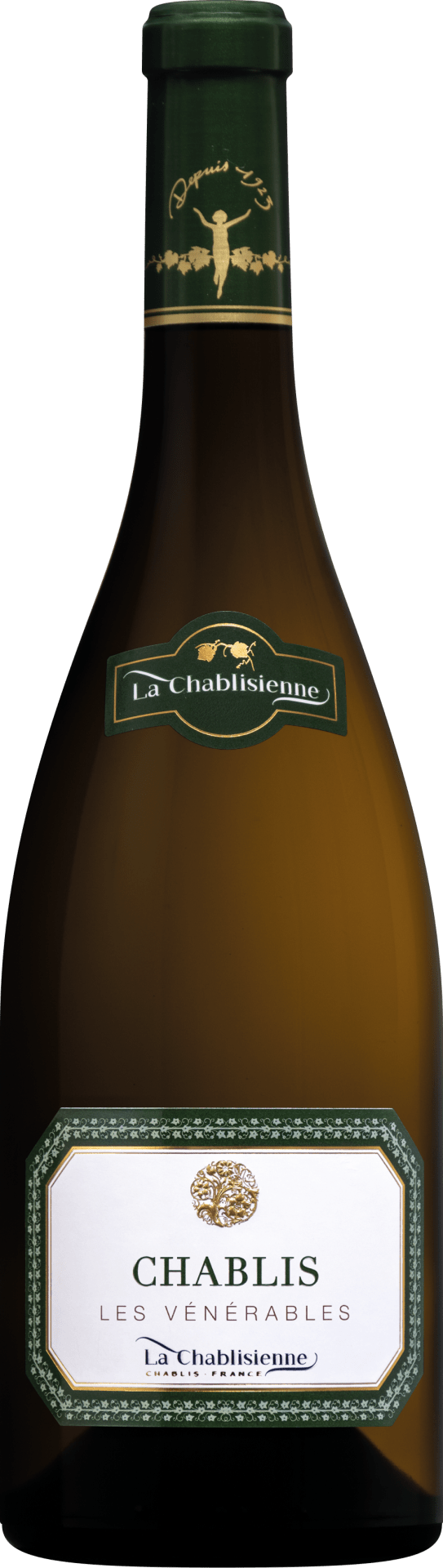
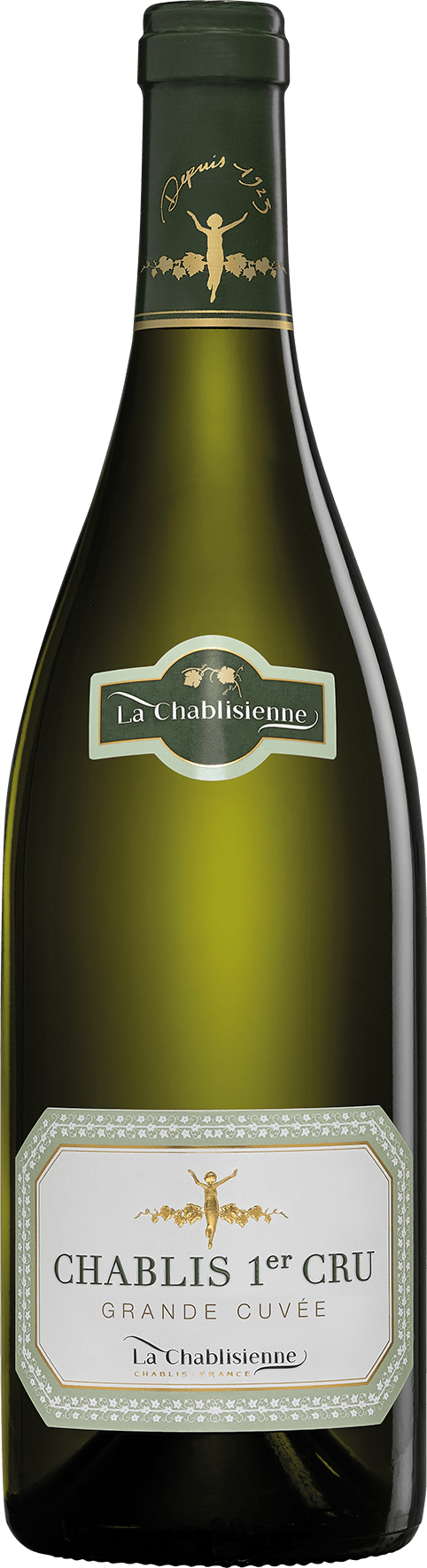
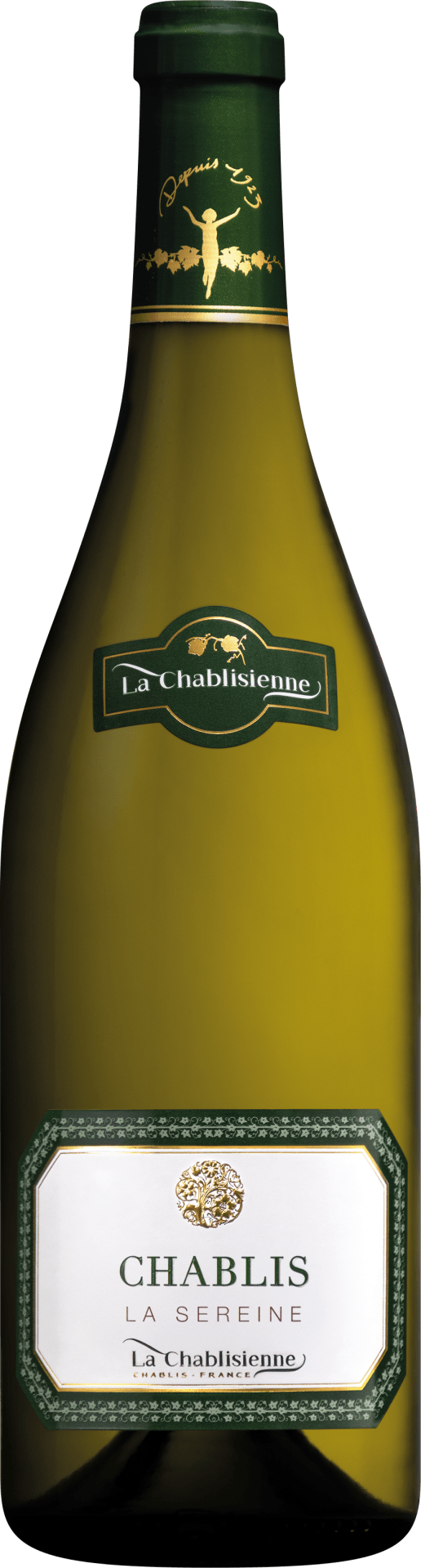
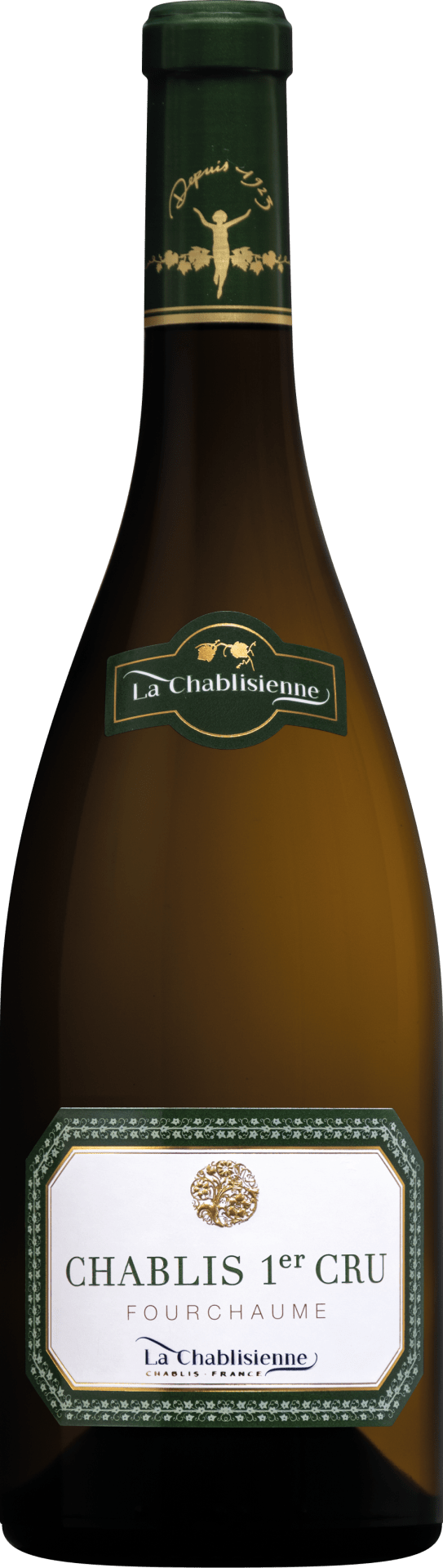
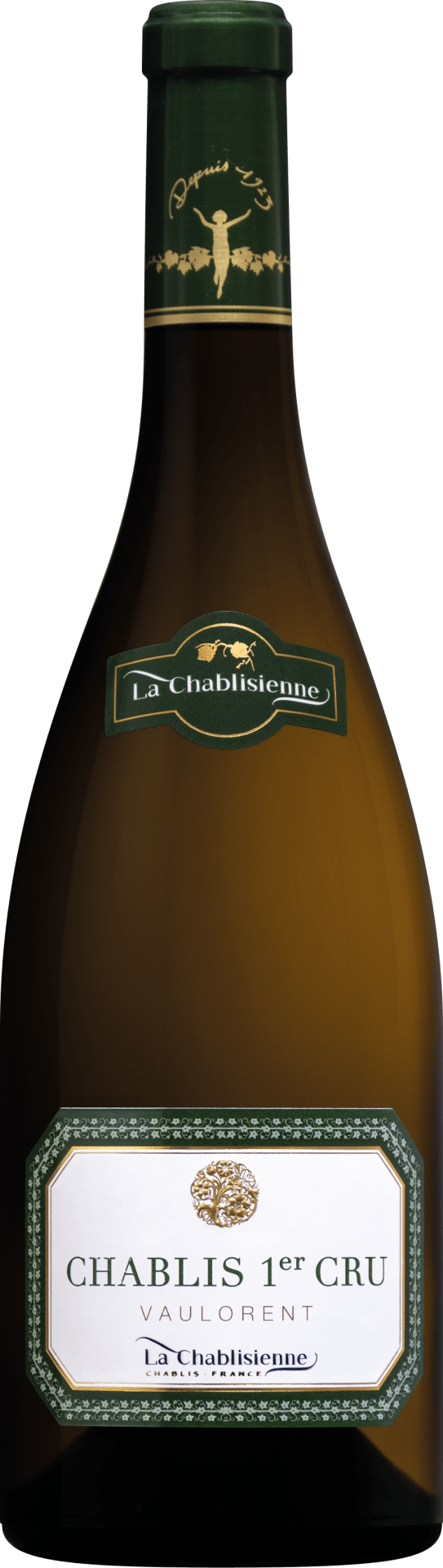
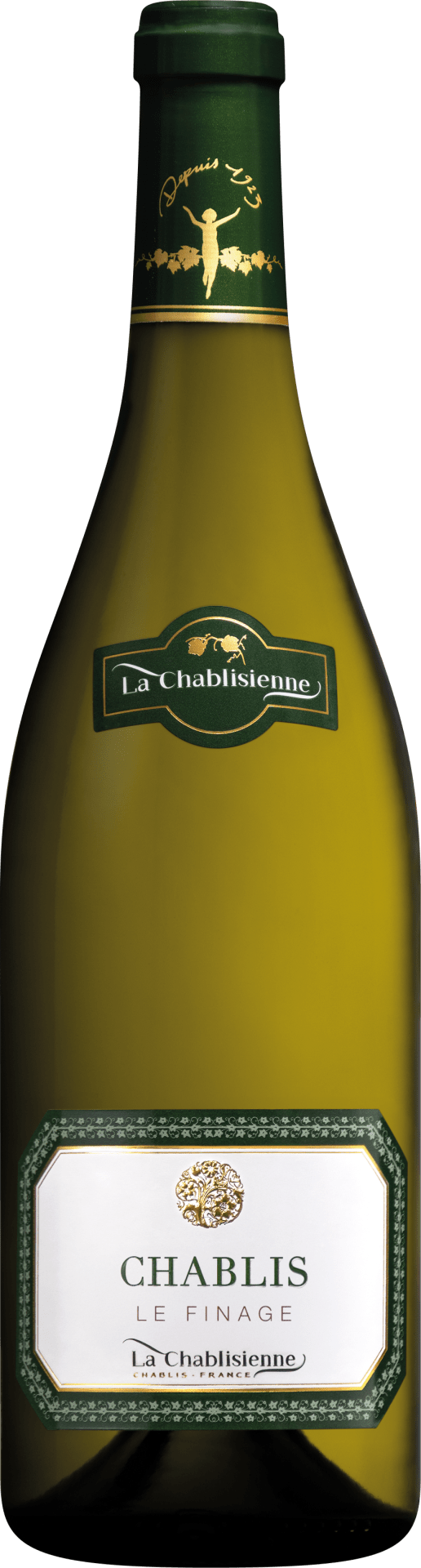
The soil explains everything. In Chablis, Kimmeridgian marl dominates — an alternating layer of limestone and clay, interspersed with fossilized oyster shells of the genus Exogyra virgula, remnants of a Jurassic sea from around 150 million years ago. This subsoil gives the Chardonnay its characteristic texture: cool citrus fruit, white flowers, a salty, almost iodine-like minerality on the finish that one cannot confuse with any other wine region. La Chablisienne manages plots in 13 of the most important Premier Cru groupings as well as in five of the seven Grands Crus — from Fourchaume and Vaillons to Vaulorent and the self-owned Château Grenouilles. The assortment contains the entire quality spectrum of the appellation: uncomplicated entry-level wines like La Sereine or Le Finage, which are to be drunk young and fresh, up to Les Vénérables — a Chablis from vines with a high average age, which easily carries five to eight years. The Premier Crus and Grands Crus usually unfold their full complexity only after five to ten years of cellar rest. Anyone who wants to understand the full breadth of Chablis — from the crisp citrus line of a simple Chablis to the dense, creamy depth of a Grand Cru — will find at La Chablisienne the most complete picture that a single producer of this appellation can provide.
Award-winning wines
Decanter World Wine Awards 2024 - Gold
Awarded by Decanter
International Wine Challenge 2023
Awarded by International Wine Challenge
International Wine Challenge 2024
Awarded by International Wine Challenge
La Chablisienne –
100 years of Chablis from 1200 hectares of winegrowers' hands
In 1923, 250 winegrower families joined forces in the heart of Burgundy – this community gave rise to La Chablisienne, now the most important cooperative in the appellation. What began as a merger of small farms has since become a collective winery that cultivates about a quarter of all Chablis vineyards: over 1200 hectares on the characteristic Kimmeridgian limestone that gives Chablis its unmistakable character.
The only grape variety that counts here is Chardonnay – unadorned, without the makeup of new wood, but with everything the terroir has to offer: taut acidity, aromas of citrus zest, green apple, and white flowers, a salty finish that calls for another sip. From simple Chablis to Grand Crus like Les Clos or Blanchot, the cooperative shows the range this small appellation has to offer.
The wines from La Chablisienne pair well with oysters, scallops, and light fish – but also on their own as an aperitif when the evening is still young. If you want to understand why Chablis deserves its own appellation, start here.