Family tradition since 1835 — and a new beginning in the chapel
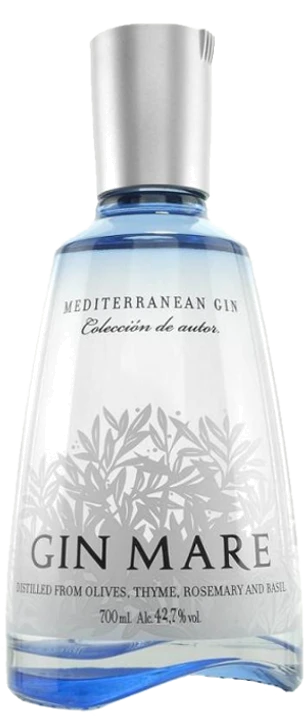
The story behind Gin Mare does not begin in 2007, but almost two centuries earlier. The Giró Ribot family has been producing liqueurs and spirits in the Catalan wine region of Penedès, not far from Barcelona, since 1835. The family first entered the gin business in 1940, when Manuel Giró Senior launched Gin MG — still one of Spain's best-selling gins today. The fourth generation, brothers Marc and Manuel Giró Junior, did not want to simply continue the legacy, but to reinterpret it. Starting in 2007, they developed a gin in the family's own distillery that takes the Mediterranean seriously as a flavor concept — not as a backdrop, but as a botanical treasure trove. Since the brothers had mastered the craft but lacked a sales arm, they formed an equal partnership with Global Premium Brands, which took over marketing and distribution. Since September 2022, Gin Mare has been part of the Brown-Forman portfolio.
A chapel as a distillery — and a method that takes no shortcuts
Distillation takes place in Vilanova i la Geltrú, a small fishing village on the Costa Daurada between the Costa Brava and Costa Dorada, about 50 kilometers south of Barcelona. The heart of the facility is a former 18th-century chapel — originally a refuge for fishermen who prayed before setting sail, later part of the monastic retreat that the Giró family acquired in the 1950s. Today, a custom-made Florentine pot still with a capacity of 250 liters per batch stands in this chapel.
The production process, which the brothers call the Mediterranean Method, is consistently elaborate: each of the nine botanicals is macerated individually and distilled separately before the master blender combines the resulting individual distillates. The citrus fruits — peels from two types of oranges from Seville and Valencia as well as lemons from Lleida — macerate for up to a year in neutral barley spirit before they go into distillation. The herbs (basil, rosemary, thyme) steep for about 36 to 48 hours. For each batch, several kilograms of Arbequina olives alone are processed because the oil content of this variety is low — the effort is deliberately calculated and cannot be rationalized.
Herb garden, salinity and a gin that works with food
The four lead botanicals of Gin Mare tell a Mediterranean origin story: basil comes from Italy, rosemary from Greece, thyme from Turkey, and the Arbequina olive from Catalonia — the only olive variety in the world with a protected designation of origin. Added to this are juniper, coriander, green cardamom, and the Spanish citrus fruits. On the nose, rosemary opens, followed by black olive, citrus peel, and a hint of sea air. On the palate, juniper and coriander lead before basil, thyme, and the characteristic salt-umami line of the olive take over. The finish is long, olive-spicy with a touch of thyme and lemon zest. Serving temperature: well chilled, 6–8 °C, in a G&T with Mediterranean tonic, a sprig of rosemary, and orange zest — or as the base for a dry martini with an olive. Gin Mare Capri, developed to celebrate the tenth anniversary, relies on bergamot and lemon from Capri as additional layers on the aromatic foundation.