From bar owner to founder of a Mexican luxury house
Arturo Lomelí founded Clase Azul México in 1997 in Guadalajara, Jalisco—at 23 years old and with the declared goal of translating Mexican culture into a bottle. His first attempt as a tequila entrepreneur failed; he returned to university, studied marketing, and started over with a radically different idea. The first bottles of Clase Azul Reposado hit the market in the year 2000—just 58 cases. What distinguished him from other producers: not just the content, but the ceramic bottle as a carrier of Mexican craftsmanship. The name Clase Azul—in English "blue class"—is derived from the cobalt blue of the first decanters and from the Blue Weber agave, the only permitted raw material for authentic tequila. Today, Clase Azul México is present in more than 100 countries and is considered an independent, 100% Mexican-owned company—Lomelí has never given up shares to external investors.
Agave, masonry ovens, and painted ceramics from Santa María Canchesda
The Blue Weber agave for Clase Azul grows in Los Altos de Jalisco, the highlands of the state of Jalisco. There, red volcanic soil, high altitude, and a cool climate ensure agave hearts with a high sugar content. Harvesting only takes place after seven to eight years of growth—by specialized jimadores who expose the piñas by hand with the traditional coa knife. After the harvest, the agave hearts are cooked slowly in traditional masonry ovens for at least 72 hours; this caramelizes the natural sugars and lays the foundation for the characteristic softness of the distillate. This is followed by fermentation with an in-house yeast starter as well as double distillation in copper pot stills. For the Reposado, the spirits then mature for eight months in used American whiskey barrels—Clase Azul prefers second-use barrels so that the wood complements the agave character rather than masking it.
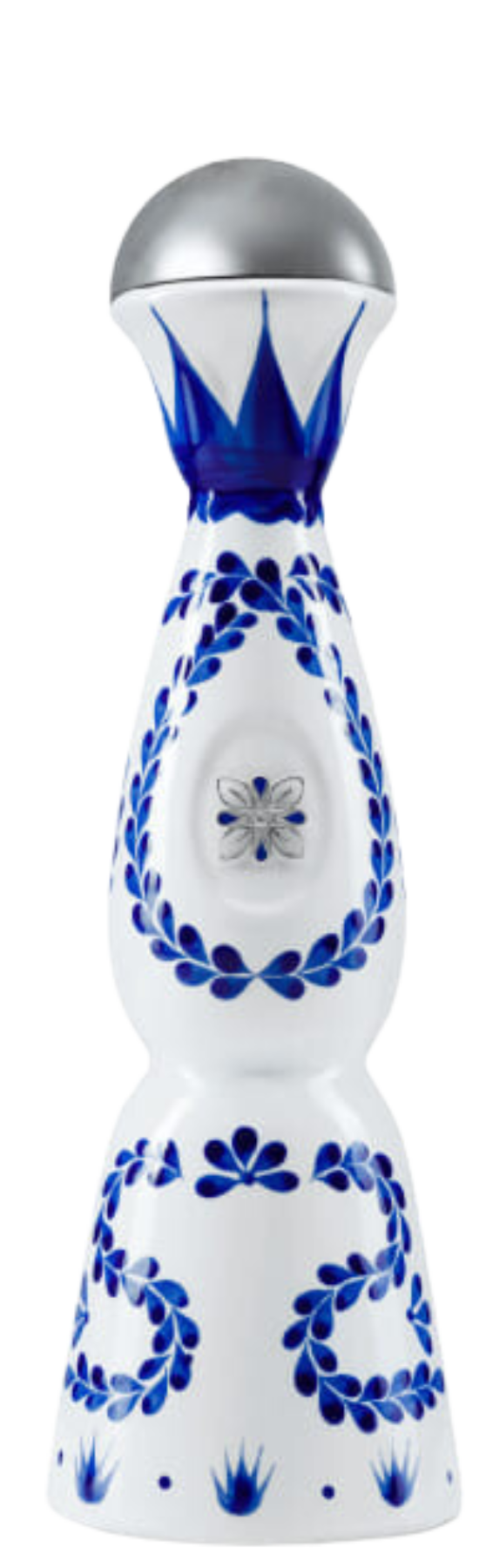
The ceramic decanters are created in the company's own workshop, Tradición Mazahua, which Clase Azul established in 2007 in Santa María Canchesda. There, artisans form each bottle from regional clay, fire it, and then paint it by hand—a process that can take up to two weeks for more elaborate editions. The blue-and-white pattern of the Plata and Reposado decanters picks up on traditional Mexican motifs. Beyond the distillery, the Fundación con Causa Azul, its own non-profit organization, promotes Mexican craftsmanship and the communities that contribute to the brand.
Two entry points into a broad range of tequila and mezcal
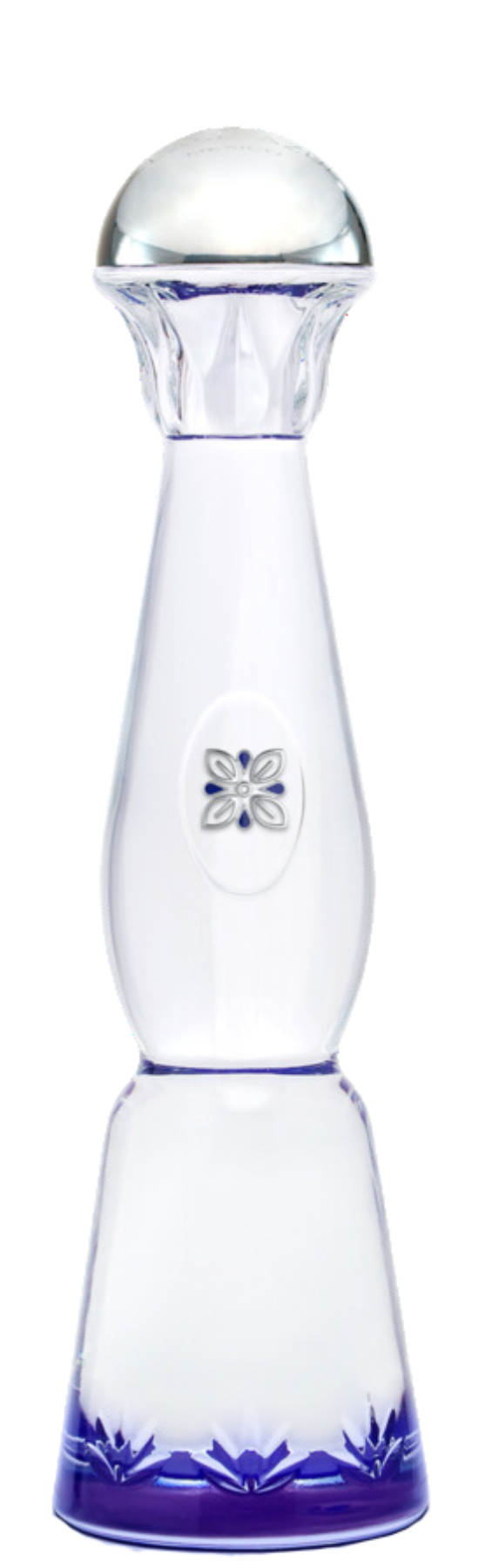
The range extends from unaged Blanco expressions to limited Añejo editions and mezcal bottlings. Available at Vinoscout are the Clase Azul Plata and the Clase Azul Reposado—the two expressions with which most drinkers find their entry into the brand. The Plata comes into the bottle unaged: clear, fresh agave aromatics with citrus, a hint of vanilla, and a light pepper finish. Neat or as a base for a margarita with fresh lime juice. The Reposado spends eight months in used American oak barrels—the nose shows vanilla, candied orange peel, and ripe fruit; on the palate, hazelnut, caramel, cinnamon, and a round finish with an oak undertone follow. Neat at room temperature or in a Tequila Old Fashioned. Both expressions are 40% ABV.