From Vito Curatolo Arini's dream to the fifth generation
Since 1875, the name Curatolo Arini has stood for Marsala from family hands. Back then, Vito Curatolo Arini built a winery right in the middle of his own vineyards near Marsala. The company name was created by combining his surname with that of his mother, Arini. From the very beginning, his focus was on quality and on markets beyond Sicily: the house was one of the first producers on the island to export Marsala to the USA and South America. For the labels, Vito hired the Palermitan architect Ernesto Basile, the most important representative of Sicilian Art Nouveau – the motif known as "La Damina" still adorns the house's best Marsala bottlings today.
After Vito's death in 1896, his wife Rosa took over the management and continued to run the business with perseverance in a male-dominated era, organizing workflows and further expanding international business. Today, five generations later, descendants Riccardo and Alexandra, together with their fathers Roberto and Sergio, steer the fortunes of the house – as the oldest Marsala winery still run by the founding family.
The Baglio at the Stagnone: Work between salt, sun, and wind
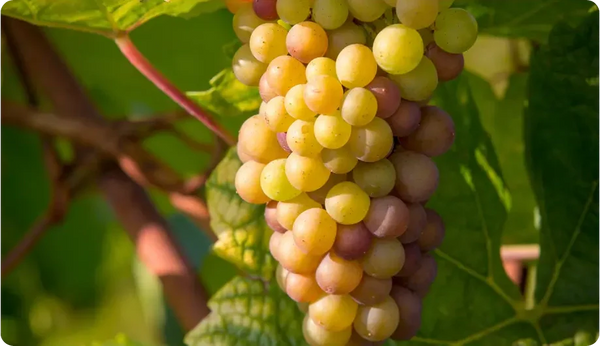
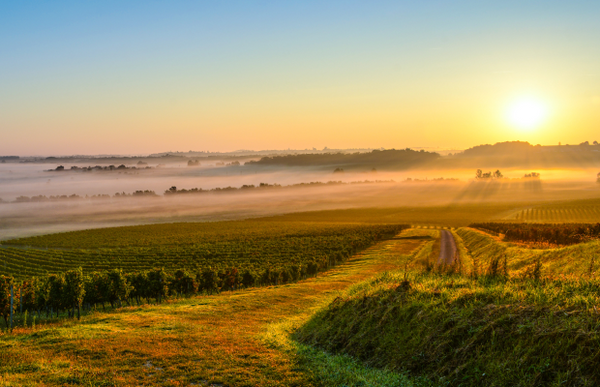
The heart of the winery is the historic Baglio, whose tuff stone walls are washed by the salt of the Stagnone nature reserve and flooded by the Sicilian sun. The vineyards are located in the coastal areas of Triglia Scaletta, Spagnola, Biesina, and Baiata in the far west of the island: sun, constant wind, and red, loamy-sandy soils create ideal conditions for the local grape varieties there. Some of the vineyards are still cultivated using the traditional, low-yield Alberello training system, the rest in trellis form. Harvesting is done by hand, usually at the end of September, when the grapes have reached their highest sugar concentration.
In the 1990s, the family brought the Tuscan oenologist Alberto Antonini on board and, together with him, developed the "Monovarietal" project – a selection of single-varietal wines intended to highlight the island's different terroirs. As early as the end of the 1970s, the winery had expanded its range beyond classic Marsala to include dry still wines and now manages around 140 hectares of vineyards in western and central Sicily.
Marsala as a craft: Grillo, oak barrels, and long aging
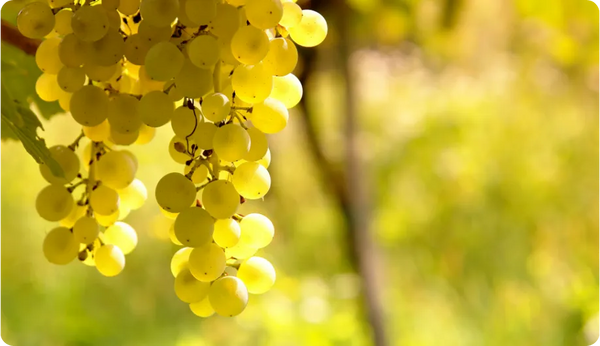
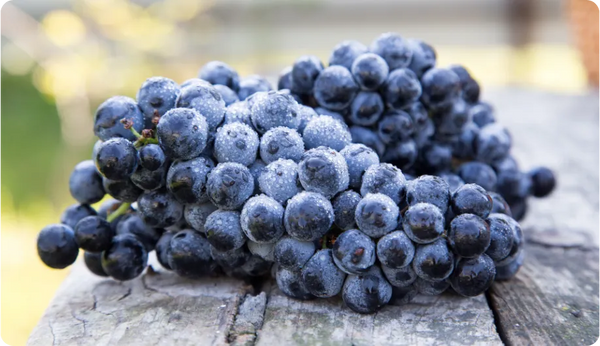
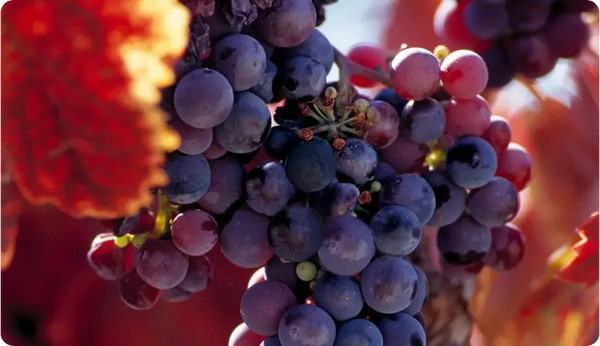
At the center of the range remains the Marsala, vinified predominantly from Grillo, supplemented by Catarratto and Inzolia. After fermentation, the base wine is fortified and then matures in Slavonian oak barrels as well as in French and American barriques and tonneaux – a process that gives the wine its dense aromas of dried fruits, roasted almonds, and vanilla, carried by a long, often slightly salty finish. In addition, the house shows the full spectrum of autochthonous Sicilian varieties with wines made from Nero d'Avola, Syrah, Grillo, Inzolia, Catarratto, Zibibbo, and Nerello.
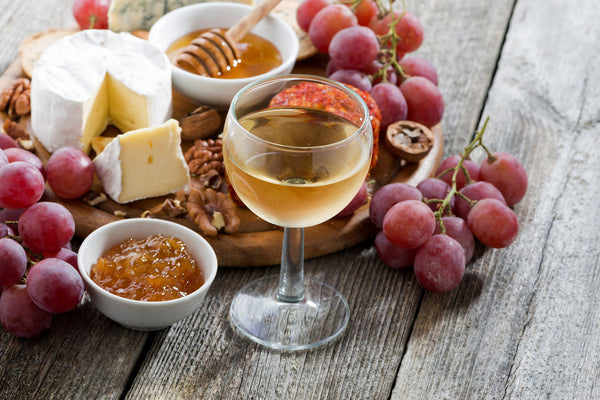
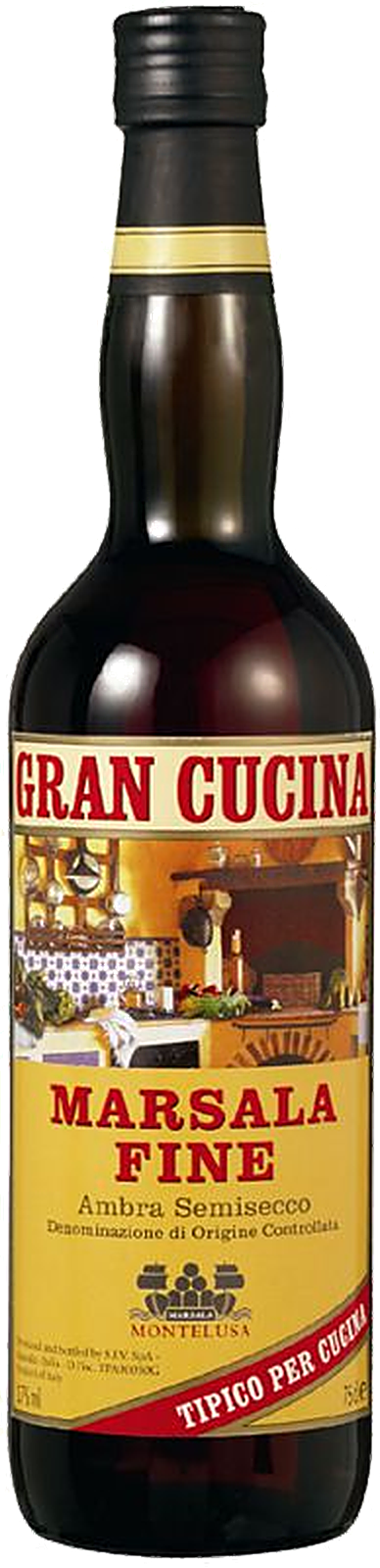
Anyone tasting the Marsala wines from Marsala is experiencing a piece of living viticultural history: on the one hand, the classic, dense profile of the aged Riservas, and on the other, the drier, spicier style of the younger Marsala bottlings, which can be used as an aperitif as well as in the kitchen. Recommended with mature cheese, roasted nuts, or as an accompaniment to classic Sicilian dishes.