From Don Juancho to DUSA: A Venezuelan distillery history
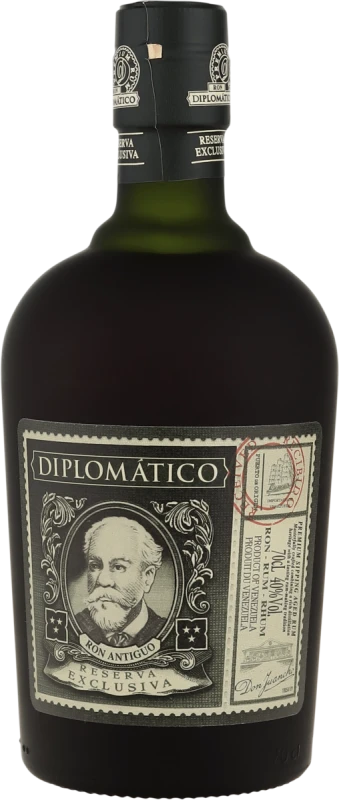
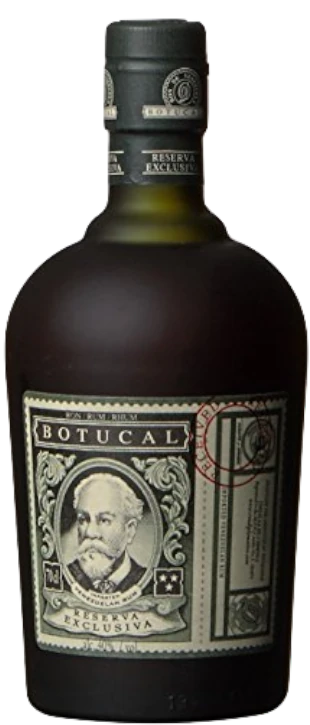
The roots of Ron Diplomático go back to the 19th century, when the explorer and entrepreneur Don Juancho Nieto Meléndez discovered his passion for the art of spirit production. On his travels through the Caribbean and South America, he not only gathered knowledge about raw materials, fermentation processes, and the influence of climate and soil on the aroma profile — he also built a personal collection of rare rums, which his friends respectfully called the Reservas del Embajador. His portrait still adorns every bottle of the brand today. The formal distillery history begins in 1959: in La Miel, Barquisimeto, at the foot of the Venezuelan Andes and on the edge of the Terepaima National Park, the Licorerias Unidas S.A. facility began operations. In 2002, a group of Venezuelan entrepreneurs acquired the plant and transferred it into private, fully Venezuelan ownership — today's Destilerías Unidas S.A. (DUSA). Today, DUSA is Venezuela's largest rum producer.
Three distillation methods, one craft: the production philosophy of DUSA
What distinguishes the distillery in Barquisimeto from most other rum producers is the extraordinary variety of distillation equipment under one roof. The plant has traditional copper pot stills with retorts, an in-house batch kettle still, and continuous column stills — including a Barbet column that was built in France specifically for DUSA in 1959. These three methods produce fundamentally different distillates: light, fruity spirits from the column, fuller and aromatically denser rons from the pot still, and a medium style from the batch kettle process, which Diplomático developed itself. The basis is locally grown Venezuelan sugar cane, which is processed partly into molasses and partly into sugar cane honey (Virgin Cane Honey) — the latter is a rarity in rum production worldwide. Fermentation with proprietary yeasts for at least 48 hours, then the choice of the appropriate distillation method, finally aging in ex-bourbon and ex-scotch barrels, supplemented by sherry barrels for special series: the Maestro Ronero decides at each of these steps which distillate goes where. This knowledge has been held for generations by the house distillers — among them the legendary Tito Cordero, whose signature has made the brand internationally known.
Molasses, barrel, and blending art: what makes the assortment
At the center of the Diplomático assortment is the idea that complexity arises through blending — not through a single style or a single facility. The Reserva Exclusiva is the flagship: up to twelve years of aging in small oak barrels, aromas of dried apricot, orange peel, vanilla, cocoa nibs, and a hint of oriental spices, long sweet-warm finish. It is strongest neat at room temperature or with dark chocolate. The Selección de Familia goes one step further: it combines hand-picked distillates from pot still, batch kettle, and column and is bottled in elaborate manual work — the house's top product for special occasions. Under the name Botucal, under which the line is distributed in some markets, the same craft is hidden; the term refers to the company's own Hacienda Botucal, where part of the sugar cane is grown. The warm climate of Venezuela noticeably accelerates barrel aging: twelve years at the foot of the Andes often correspond in aroma depth and structure to a significantly older rum from more northern latitudes.