From a Charente winegrower to a global Cognac brand
The founder was not a merchant, but a winegrower: Rémy Martin, born in 1695 near Rouillac in the Charente, opened his own trading house in Cognac in 1724 – laying the foundation for one of the oldest active Cognac houses in the world. As early as 1738, King Louis XV granted the house the rare privilege of planting new vineyards – in recognition of the quality of its eaux-de-vie. In the 19th century, Paul-Émile Rémy Martin expanded the business beyond Europe: he opened up the USA, Asia, and the Pacific, and chose the centaur as the house's emblem – his own zodiac sign, Sagittarius. In 1924, the Hériard Dubreuil family took over management and consistently specialized the house in the prestigious Grande and Petite Champagne crus. Since 1991, Rémy Martin has been part of the Rémy Cointreau Group.
Fine Champagne as a principle – cellars, cooperatives, and sustainability
What distinguishes Rémy Martin from most large houses is a strict self-limitation: since 1948, only Cognacs of the protected Fine Champagne appellation have been produced – a blend of eaux-de-vie from Grande Champagne (at least 50%) and Petite Champagne. Both crus are located on chalky limestone soil, which gives the wines floral precision, fruit clarity, and long aging potential. The harvest provides a dry, acid-driven base wine with 7 to 9 percent alcohol – the ideal basis for distillation. It is traditionally distilled on the lees in small copper stills; subsequently, the eaux-de-vie mature in oak barrels from the nearby Limousin forest.
The grapes do not come from their own property, but from a dense partner network: the Alliance Fine Champagne, founded in 1966, is a cooperative with around 800 winegrowers from Grande and Petite Champagne who supply the majority of the raw material – a relationship built over generations. Today, the house holds the Haute Valeur Environnementale certificate (level 3) and stipulates that all partner winegrowers follow sustainable cultivation methods.
VSOP, XO, and the art of assemblage
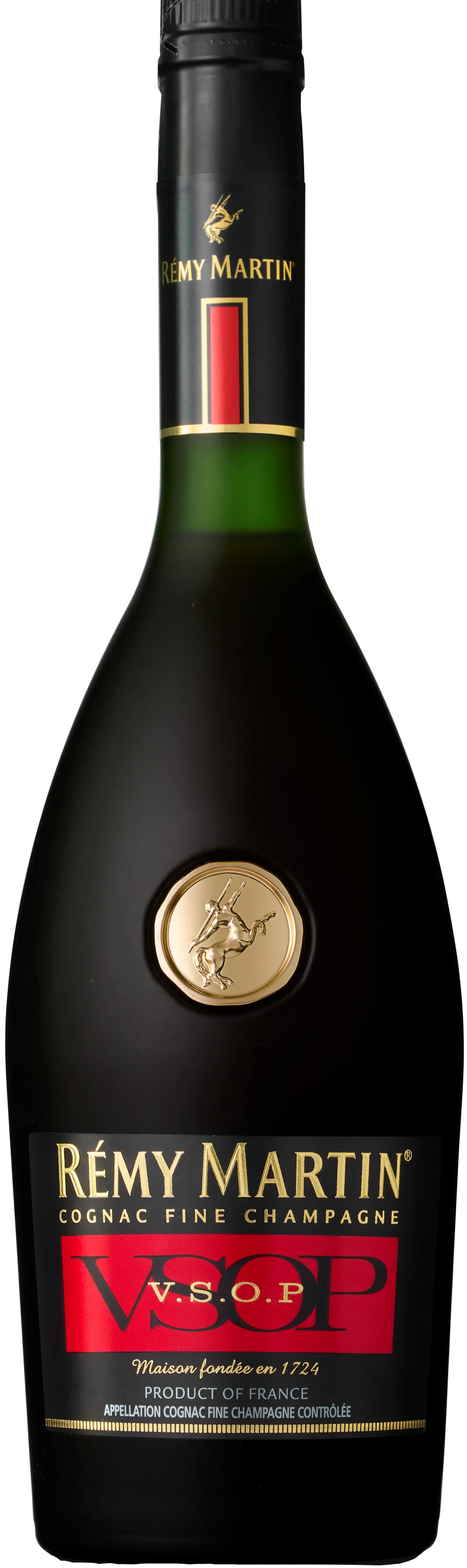
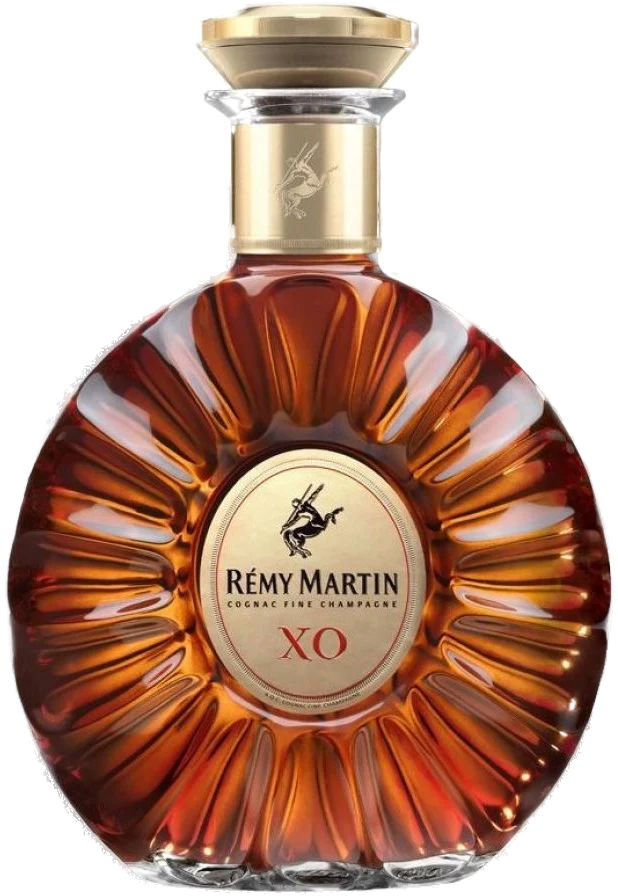
Cellar Master Baptiste Loiseau – in office since 2014, successor to Pierrette Trichet, the first woman in this role at a major Cognac house – combines hundreds of different eaux-de-vie of various vintages and crus for every release. The VSOP is the classic entry point: accessible, with yellow fruit, vanilla, and a fresh Limousin wood note, with the youngest component aged for at least four years. The XO shows where Limousin oak and long barrel aging lead: dried fig, cardamom, dark chocolate, a dense, long finish. Both are enjoyed neat or over large ice cubes – and fit just as well into classic cocktails like the Sidecar or Stinger.