From Cognac ruin to pioneer of craft spirits
Alexandre Gabriel grew up on a farm in the southern Bourgogne, where his grandfather kept cattle and cultivated a small vineyard. This early understanding of terroir and craft still shapes every bottle created under the Maison Ferrand umbrella today. 1989, Gabriel discovered a decommissioned Cognac house in the heart of the Grande Champagne — the most valuable site in the Cognac growing region — and developed it into today's Maison Ferrand. The Ferrand family, whose roots in the region go back more than four centuries, gave the company its name and its starting point. What began as a one-man project is now an independent spirits producer distributed in over 120 countries.
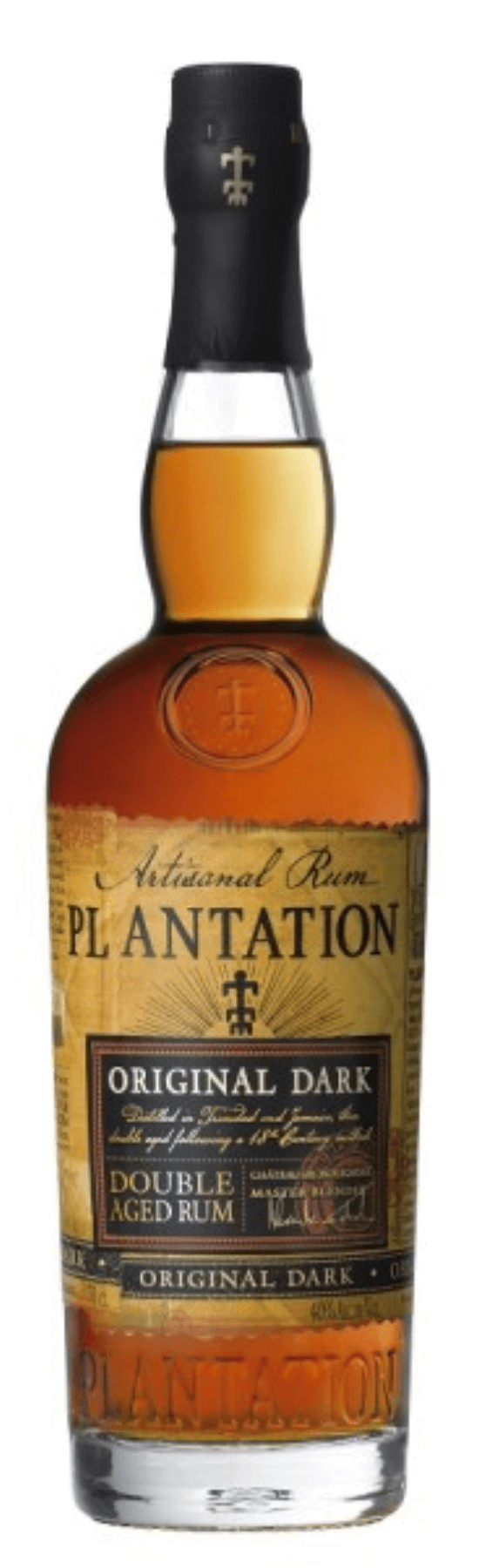
The next step followed from a bureaucratic predicament: the strict AOC rules of the Cognac growing region oblige distillers to let their stills rest for seven months of the year. After five years of negotiation with the authorities, Gabriel received permission to use the unused copper stills for gin during this time. 1996 saw the release of Citadelle Gin — long before the craft gin boom of the noughties — as the first French craft gin ever. Three years later, in 1999, Plantation Rum was added, now managed under the name Planteray. In 2017, Maison Ferrand acquired the West Indies Rum Distillery in Barbados, thereby gaining its own distillation capacities in the Caribbean.
Terroir, copper, and the principle of double maturation
Maison Ferrand operates more than 150 hectares of HVE-certified vineyards in the Cognac region, predominantly in the Grande Champagne, with the classic grape varieties Ugni Blanc, Colombard, and Folle Blanche. The Cognac matures in 270-liter Limousin oak barrels; Gabriel himself is the Master Blender and is responsible for all blends. For Citadelle Gin, the house built its own distillery at the Château de Bonbonnet, designed by Gabriel and constructed by in-house stonemasons. The heart of the operation is restored Charentais copper stills, which were originally made for Cognac. Citadelle is the only gin distillery in the world that grows its own juniper bushes — directly in front of the Château de Bonbonnet — and harvests organic berries from them for selected bottlings.
The core of the rum philosophy is double maturation: the distillates first mature for several years in bourbon barrels in the tropics before being shipped to France and stored a second time in Ferrand oak barrels from the Cognac area. This second maturation step at Château de Bonbonnet gives the rums fine tannic depth — a process that Gabriel developed from his work with historical recipes, partly in collaboration with spirits historian David Wondrich.
Cognac, gin, and rum — three categories, one signature
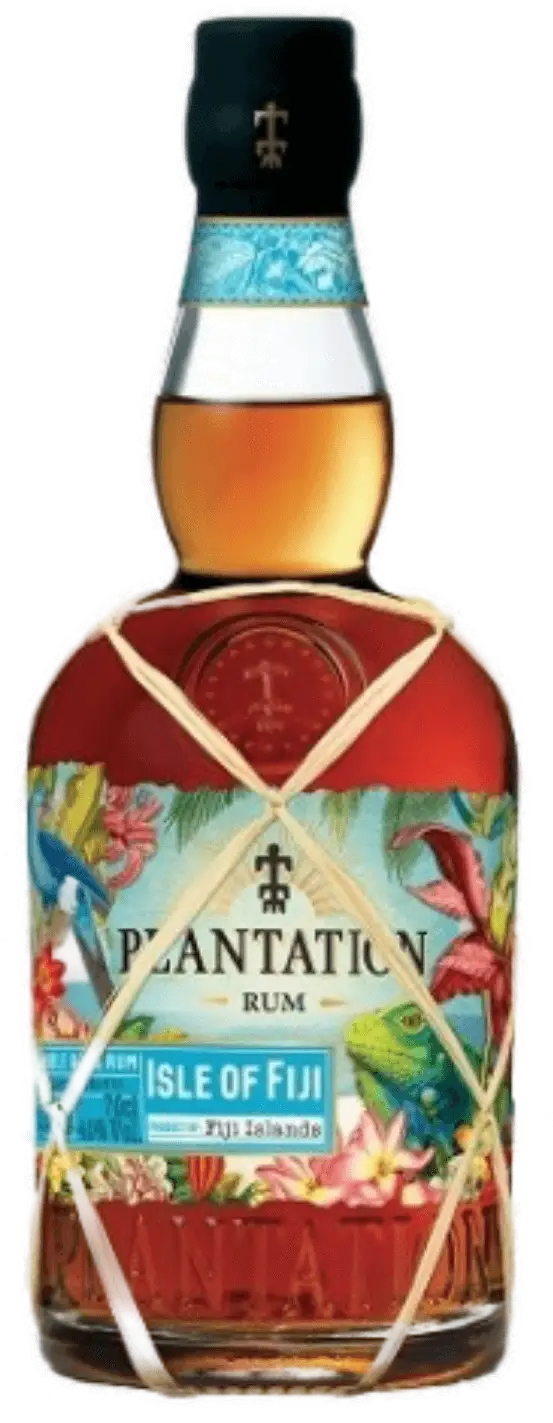
Maison Ferrand stands for three clearly defined spirits worlds that nevertheless bear the same signature: precision in raw materials, manual labor in the cellar, and historical awareness in the recipe. Ferrand Cognac comes exclusively from the Grande Champagne and undergoes distillation on the lees as well as long barrel blending. Citadelle Gin works with a patented process of progressive infusion, in which each of the 19 botanicals is macerated individually according to its aromatic composition. The Planteray rums — including the Barbados XO, the Isle of Fiji, and Stiggins' Fancy Pineapple — stand for Caribbean diversity of origin, which receives an additional layer of complexity through the French double maturation.
It is no coincidence that the bartender community discovered Maison Ferrand early on and made it one of the most frequently used working spirits behind the bar: the products are designed for character, not for palatability. Anyone who drinks their way through the range will notice that every brand takes its geographical origin seriously — from the limestone terroir of the Grande Champagne to the molasses of the Caribbean sugarcane fields in Barbados.